Chester Beatty: Dublin’s Best Free Museum (Visitor Guide)
Leabharlann Chester Beatty
Ar an gComhartha Seo — On this sign
- Quick Answer: Is the Chester Beatty Open?
- The Closure, in Full
- What to Do Instead Until January 2027
- What the Chester Beatty Actually Is
- The Two Galleries
- Planning a Visit for 2027
- Why the Chester Beatty Dublin Is Getting Back Is Worth the Wait
- Gotchas
- FAQ: The Chester Beatty Dublin Visitor Questions
- Keep Planning
- Keep Reading
- Photo Credits
For about twenty-five years the standard piece of advice from anyone who knew Dublin well was the same: skip one of the paid attractions and go to the Chester Beatty instead. It is free, it is ten minutes from Trinity College, it holds one of the great private collections of manuscripts and books assembled anywhere in the twentieth century, and it was named European Museum of the Year in 2002. Lonely Planet has called it not merely the best museum in Dublin but one of the best on the continent. And almost no visitors went, because it sits inside the Dublin Castle complex and everyone assumed it was part of the castle tour.
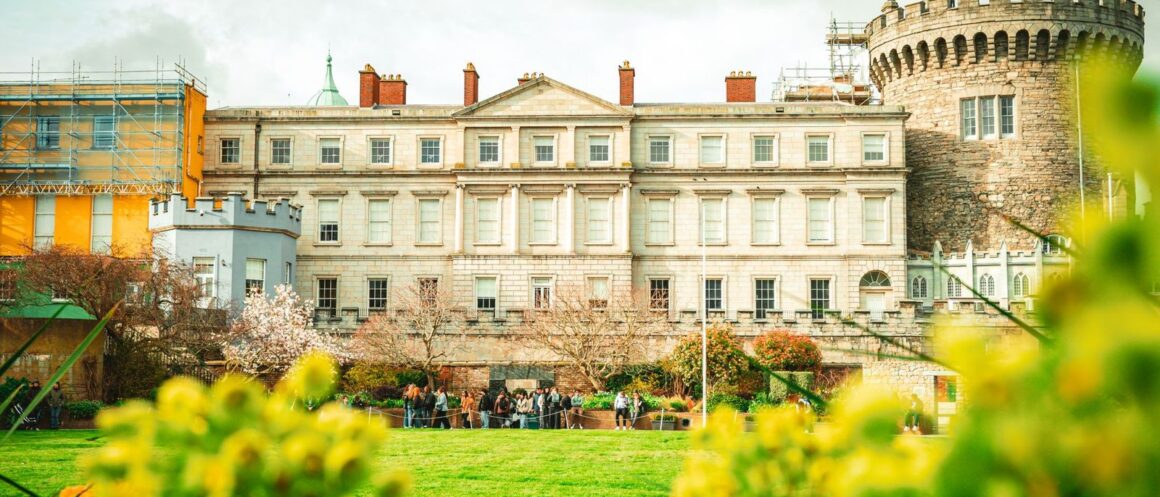
You cannot go at the moment. The Chester Beatty is closed to the public from 15 June to the end of December 2026, because Ireland holds the presidency of the Council of the European Union and Dublin Castle — the museum’s landlord and neighbour — is the state’s principal venue for it. Reopening is expected in January 2027, alongside the castle itself. This guide covers that closure honestly and in full, gives you the best substitutes in the city between now and then, and then sets out everything you need for a visit to the Chester Beatty Dublin holds once it opens its doors again.
Quick Answer: Is the Chester Beatty Open?
No. It closed to the public on 15 June 2026 and stays closed to the end of December 2026, for Ireland’s EU Council presidency. The whole Dublin Castle site went the same way — the State Apartments shut on 5 May and the courtyards and Dubh Linn Garden followed on 15 June — and both the castle and the museum are expected back in January 2027. Almost every guide online, including some large ones, still tells you to walk in through the Ship Street gate. Do not plan your day around it.
When it does reopen, admission is free, as it always has been, and you should give it about ninety minutes. In the meantime the closest substitute in Dublin is Marsh’s Library beside St Patrick’s Cathedral — eighteenth-century, chained books, tiny, and almost as good — with the free national museums on Kildare Street as the broader fallback. The Chester Beatty Dublin visitors have been recommending for a generation is worth waiting for; it is not worth a wasted morning in 2026.
| Detail | |
|---|---|
| Status | Closed 15 June – end of December 2026 |
| Reason | Ireland’s EU Council presidency, based at Dublin Castle |
| Expected reopening | January 2027, with the castle |
| Admission when open | Free, always |
| Where | Clock Tower Building, Dublin Castle, Dublin 2 |
| Time needed | About 90 minutes |
| Galleries | Sacred Traditions; Arts of the Book |
| Best substitute now | Marsh’s Library, beside St Patrick’s Cathedral |
The Closure, in Full
Worth setting out properly, because most travel sites are still directing people to a building nobody can currently get into.
Ireland took over the rotating presidency of the Council of the European Union for the second half of 2026, and Dublin Castle is where the state does this sort of thing — it has been the venue for presidencies, inaugurations and state occasions for decades, and this one brings well over a hundred events to the site.
The shutdown came in stages. The State Apartments closed to visitors on 5 May 2026. The rest of the site — the courtyards, the Dubh Linn Garden and the Chester Beatty — followed on 15 June. The museum’s own notice is unambiguous: closed to the public from 15 June to the end of December 2026. Nothing in the Clock Tower Building is accessible in the meantime, and there is no reduced or partial opening.
What that means practically: there is no point walking to the Ship Street gate, which is the advice you will find on a great many pages that have not been updated, and there is no point building a Dublin 2 afternoon around the castle grounds either. Our Dublin Castle guide covers the wider closure, and the main attractions guide has what is actually open. Check the museum’s own site at chesterbeatty.ie before you travel in 2027, because reopening dates of this kind move.
What to Do Instead Until January 2027
This is the useful part. Dublin has an unusual concentration of free, serious collections, and losing the Chester Beatty for six months hurts less than it would in most cities.
Marsh’s Library — the closest thing there is
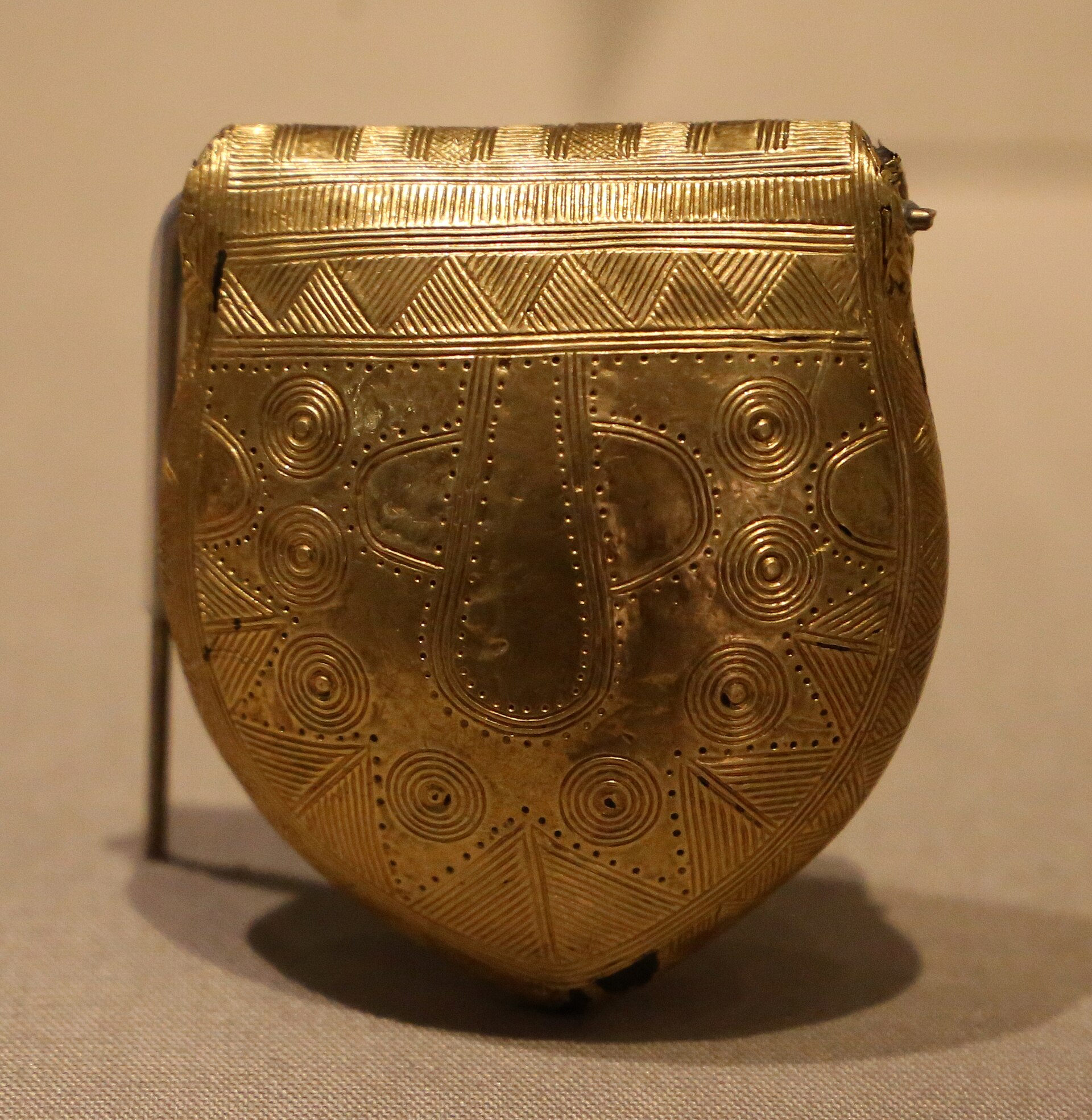
If what draws you to the Chester Beatty is old books in a beautiful room, go here. Marsh’s Library sits immediately beside St Patrick’s Cathedral and opened in 1707 as the first public library in Ireland — the interior is essentially unchanged, dark oak bookcases with lettered gables, and it still has the wired alcoves in which readers were once locked in with the rarer volumes. It is small, it takes half an hour, there is a modest admission charge, and it is the single most atmospheric room in Dublin. Very few visitors find it. Check its opening days before you go, because it does not open every day.
The free national museums
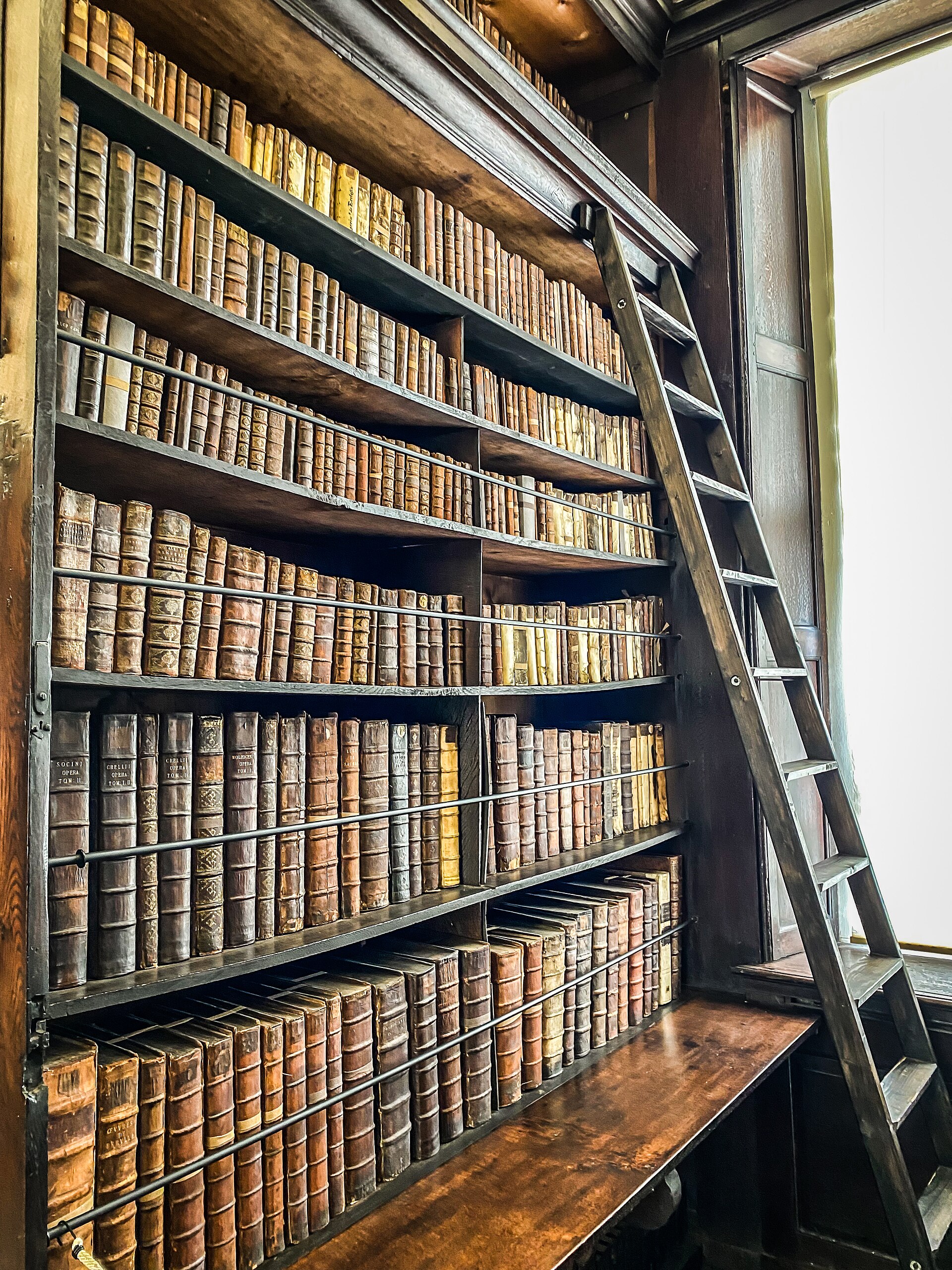
- National Museum of Ireland — Archaeology, Kildare Street. The Ór goldwork collection, the Tara Brooch, the Ardagh Chalice and the bog bodies, and it costs nothing. Ninety minutes. If you only substitute one thing, substitute this. See the museums guide and museum.ie.
- The National Gallery of Ireland, free, holding the Caravaggio Taking of Christ found in a Jesuit dining room on Leeson Street in 1990, plus the Jack B. Yeats rooms. See the galleries guide.
- The Natural History Museum — the Dead Zoo — free, Victorian and unreconstructed.
- National Museum — Decorative Arts & History at Collins Barracks, free and enormous.
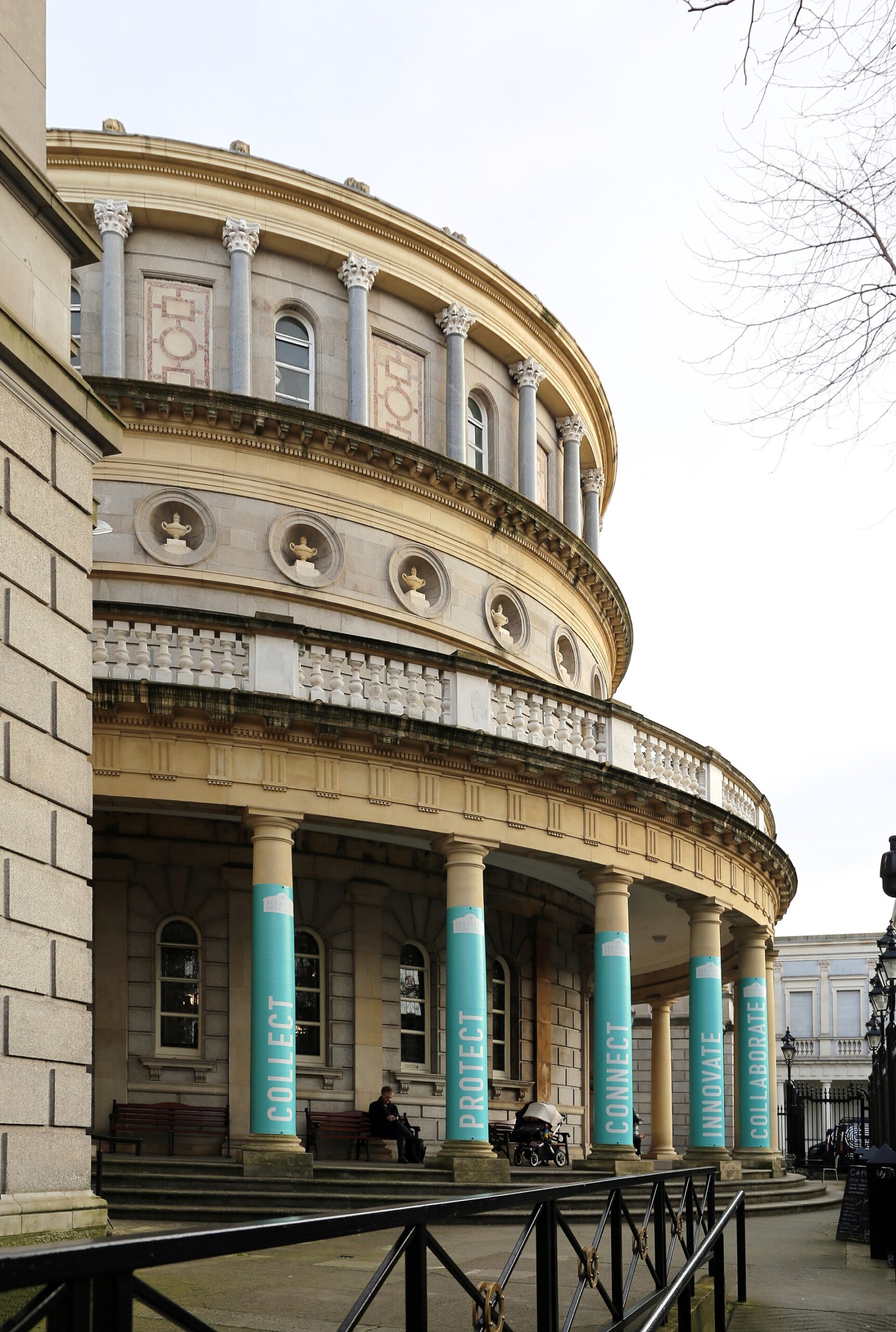
- The National Library of Ireland on Kildare Street, free, with a reading room worth walking into for its own sake.
- The Hugh Lane Gallery on Parnell Square, free, and holding Francis Bacon’s studio moved from London and reassembled piece by piece.
- The Irish Museum of Modern Art at the Royal Hospital Kilmainham, free, and a fine seventeenth-century building in its own right.
Between them these cover most of what a Chester Beatty visit would have given you, and all of them are free. The free things to do guide lists the rest.

If you specifically want manuscripts
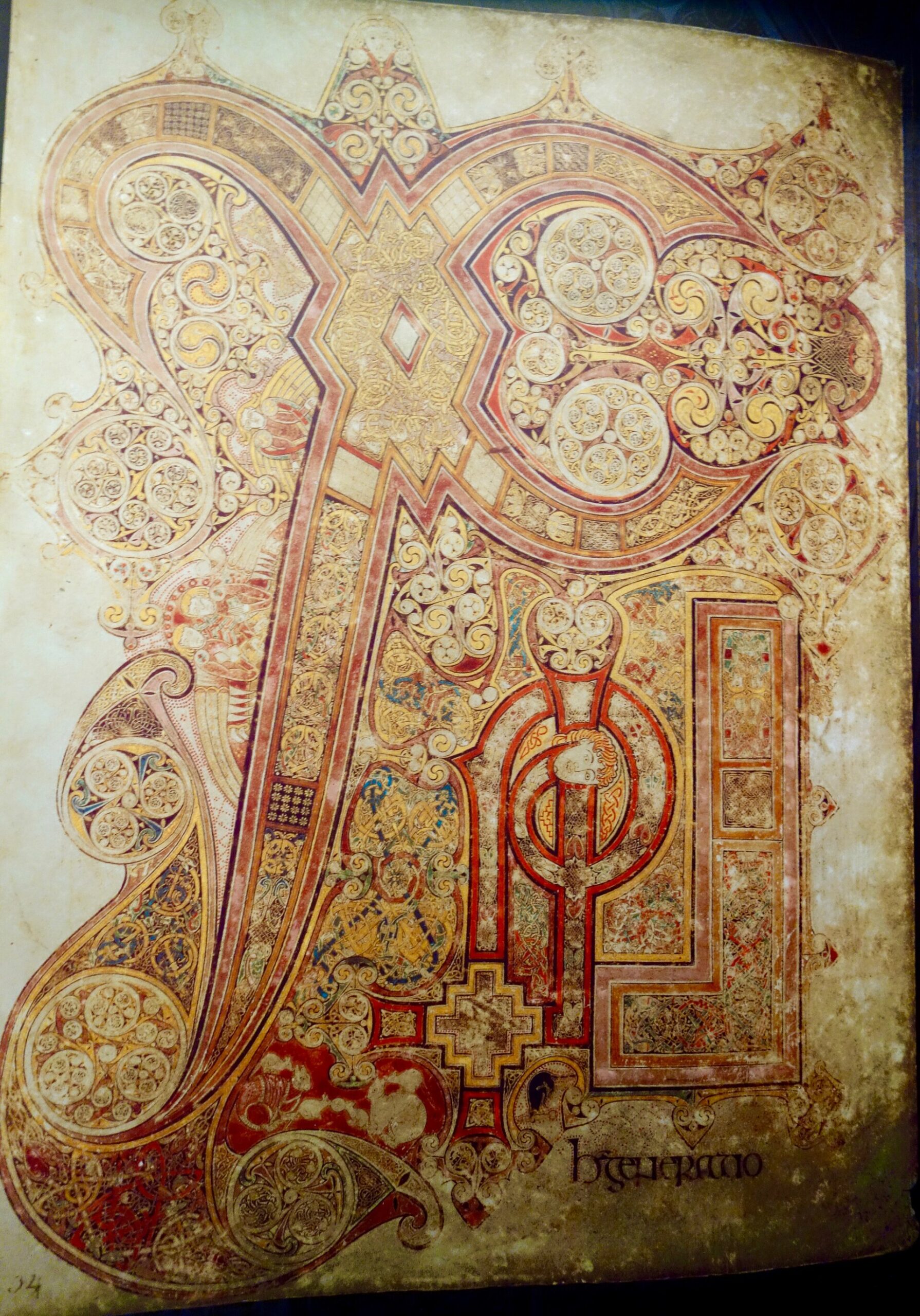
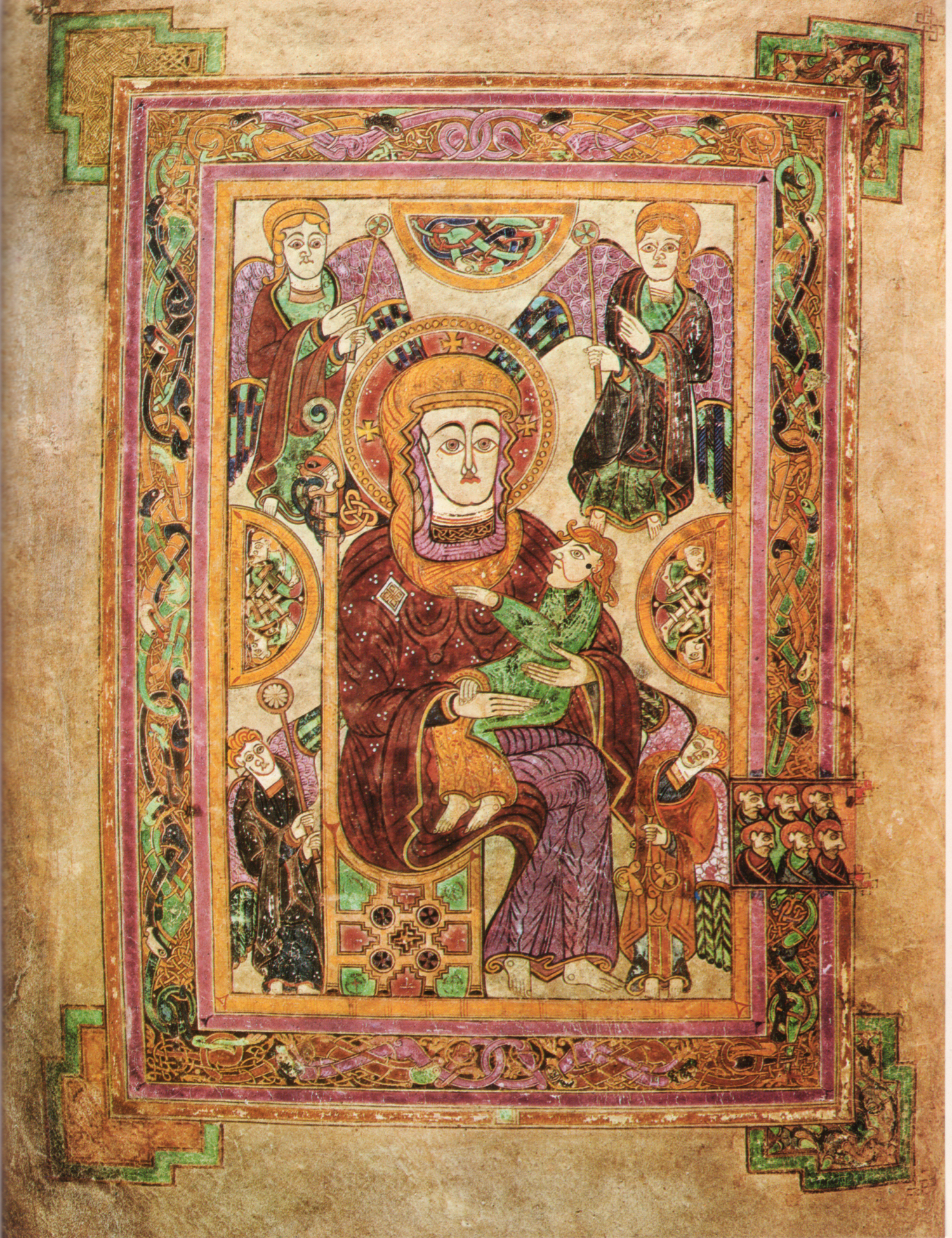
The Book of Kells at Trinity College is the obvious one, though know this before you pay: most of the books in the Long Room next door have been taken out for the Old Library redevelopment, leaving about 20,000 in the first four bays, and Trinity has given no date for the rest to come back. The Book of Kells Experience costs from €25. Marsh’s Library gives you an intact eighteenth-century library for a fraction of that.
What the Chester Beatty Actually Is
Since the doors are shut, here is what you are waiting for. The Chester Beatty Dublin inherited is not a national collection at all — it is one man’s, and that shows in every case.
The man
Sir Alfred Chester Beatty was born in New York in 1875, made an enormous fortune in mining — he was known as the King of Copper — and spent a great deal of it assembling one of the finest private collections of manuscripts, rare books and decorative arts in the world. He moved to Dublin in 1950, built the library to house the collection, and in 1957 was made the first honorary citizen of Ireland. When he died in 1968 he left the whole thing to the Irish state. It is, in a very real sense, a gift rather than a national collection, and the museum is named for the man rather than the country.
The collection
The holdings run across Islamic, East Asian and Western traditions, and the depth is the thing that surprises people. There are Qur’ans of extraordinary quality, Persian and Mughal miniature paintings, Chinese jade books, Japanese woodblock prints and scroll paintings, Ethiopian and Armenian manuscripts, European illuminated books of hours.
The single most important holding is the group known as the Chester Beatty Biblical Papyri — papyrus codices bought in the 1930s that include some of the earliest surviving copies of parts of the New Testament, dating to the second and third centuries. For anyone with an interest in how texts survive, this is one of the most significant collections on the planet, and it sits for free in a courtyard behind a castle in a city of a million people.
The Two Galleries
The collection is shown across two permanent galleries, and the split is by theme rather than by geography, which is what makes the museum work for people who arrive knowing nothing.
- Sacred Traditions — the religious material, arranged so that Islamic, Christian, Buddhist, Hindu, Jain, Sikh and Confucian objects are read alongside one another rather than in separate national rooms. It is genuinely thoughtfully done and it is the gallery most visitors remember.
- Arts of the Book — the book as an object: binding, calligraphy, illustration, papermaking and printing, across the same range of cultures. This is where the miniatures, the scrolls and the finest of the bindings are.
There are also temporary exhibitions, which rotate, so the museum rewards a second visit years later. Check what is on before you go once it reopens.
Planning a Visit for 2027
Everything below describes the Chester Beatty Dublin will get back in January 2027. Confirm it against the museum’s own site before you travel — a reopening is exactly when details change.
Opening hours
The museum’s 2027 hours will be confirmed when it reopens, so check its visit page before you travel.
- Until the end of December 2026: closed to the public (closed since 15 June)
- From January 2027: opening hours will be confirmed on reopening — check the museum’s visit page before you go
Where it is and which gate to use
The Chester Beatty Dublin keeps is a genuinely central one. The museum occupies the Clock Tower Building in the Dublin Castle complex, in the middle of Dublin 2. There are two ways in when the site is open: through the Palace Street gate off Dame Street, which is about two minutes’ walk from the Bank of Ireland at College Green, or through the Ship Street gate on the Christ Church side, which is the recommended entrance for anyone with reduced mobility and the shortest approach if you are coming from Christ Church or the Liberties.
It is a five-minute walk from Temple Bar, ten from Trinity College and fifteen from St Stephen’s Green, which makes it one of the most conveniently placed museums in the city and is another reason its low visitor numbers are so odd.
How long you need
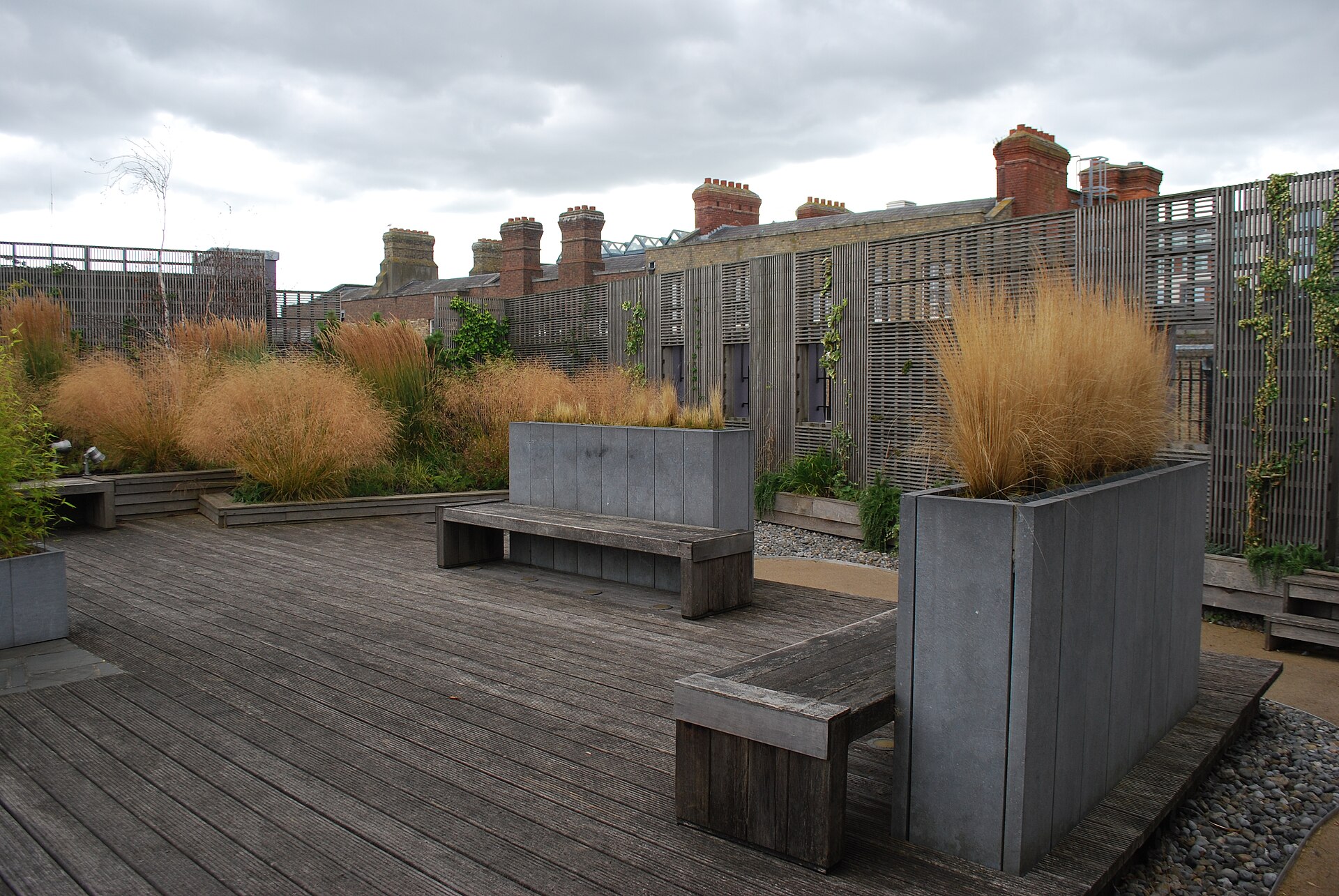
Ninety minutes is the right answer for most people: enough to go through both galleries properly without your attention going. An hour will do if you pick one gallery. Two to three hours is easy if the material grabs you, and it will grab more people than expect it to — the objects are small and dense and reward standing still. There is a café and a roof garden associated with the museum; confirm both are operating when it reopens rather than counting on them.
With children
Honestly mixed. The Chester Beatty is a museum of small objects in cases, which is a hard sell to an under-eight, and it has none of the scale that makes the Dead Zoo or the bog bodies work for children. Older children with an interest in art, calligraphy or world religions do very well out of it, and the museum has historically run good family programming at weekends and in school holidays. If you are travelling with small children and want a free museum, take them to the National Museum on Kildare Street instead — see Dublin for families and rainy-day options with kids.
Why the Chester Beatty Dublin Is Getting Back Is Worth the Wait
Three reasons the Chester Beatty Dublin reopens in 2027 should go straight onto your list, whether or not you have any particular interest in manuscripts.
The first is quality. This is not a national collection assembled by committee over two centuries; it is one very rich man’s taste, exercised with real expertise across fifty years, and the result is a collection where almost nothing is filler. The European Museum of the Year award in 2002 was for the way it presents that material, not merely for owning it.
The second is the framing. Very few museums anywhere put Islamic, East Asian and European material in the same room and ask you to look across them. The Sacred Traditions gallery does that deliberately and it changes how you read the objects.
The third is that it is free and quiet. Dublin’s big paid attractions charge for entry and involve timed tickets and queues. The Chester Beatty Dublin gets back in 2027 is the opposite of that: walk in, no ticket, no crowd, and one of the great collections of the world in two rooms. Put it near the top of your list once it reopens in January 2027.
Gotchas
The things that most reliably waste a morning where the Chester Beatty Dublin is concerned.
- It is closed from 15 June to the end of December 2026. No partial opening, no reduced access.
- Most guides have not updated. Anything telling you to enter via the Ship Street gate in 2026 is out of date, including several very large travel sites.
- Dublin Castle itself is closed too — State Apartments since 5 May, the courtyards and Dubh Linn Garden since 15 June. Both are expected back in January 2027.
- Reopening dates move. Check chesterbeatty.ie before you build a day around it in 2027.
- It closes on Mondays from November to February in a normal year, which catches out winter visitors.
- The Long Room at Trinity is not a substitute — most of its books are out for the Old Library redevelopment, with no official date for their return.
- Marsh’s Library does not open every day. Check before walking down there.
- It is a museum of small things. If you want scale and spectacle, go to Collins Barracks or the Dead Zoo instead.
FAQ: The Chester Beatty Dublin Visitor Questions
Is the Chester Beatty free?
Yes, admission is free. That is a genuine rarity for a collection of this quality and it is the main reason the museum has been the standard local recommendation for years. The museum is closed to the public until the end of December 2026, so check its own site for entry arrangements when it reopens in January 2027.
Is the Chester Beatty open in 2026?
No. It closed to the public on 15 June 2026 and remains closed to the end of December 2026, because Ireland holds the presidency of the Council of the European Union and Dublin Castle, where the museum sits, is the state’s main venue for it. Reopening is expected in January 2027 along with the castle. Check the museum’s own site before travelling, because dates of this kind shift.
How long do you need at the Chester Beatty?
About ninety minutes covers both permanent galleries — Sacred Traditions and Arts of the Book — at a pace that lets you actually look at things. An hour is enough for one gallery. Anyone with a real interest in manuscripts, calligraphy or religious art will happily spend three hours. It is a museum of small, dense objects rather than big set pieces, so it rewards going slowly and stopping early rather than trying to see everything.
Is the Chester Beatty family-friendly?
For older children with an interest in art or world religions, yes, and the museum has run good weekend and school-holiday family programming. For under-eights it is a harder sell, because almost everything is small and behind glass and there is none of the scale that makes a natural history museum work. With small children in tow, the free National Museum of Ireland on Kildare Street — bog bodies, Bronze Age gold — is the better call.
What can I see instead while it is closed?
Marsh’s Library beside St Patrick’s Cathedral is the closest substitute: Ireland’s first public library, opened 1707, with its original oak bookcases intact and a small admission charge. For free alternatives, the National Museum of Ireland on Kildare Street, the National Gallery, the Natural History Museum, Collins Barracks, the National Library, the Hugh Lane and IMMA are all free and all open. For manuscripts specifically, the Book of Kells at Trinity, with the caveat about the emptied Long Room.
Where exactly is the Chester Beatty?
In the Clock Tower Building inside the Dublin Castle complex, Dublin 2 — about two minutes’ walk from Dame Street through the Palace Street gate, or in via the Ship Street gate from the Christ Church side. It is five minutes from Temple Bar and ten from Trinity College. Its position inside the castle is precisely why so many visitors walk past it assuming it is part of the castle tour, and why it is closed while the castle is.
What is the most important thing in the collection?
The Chester Beatty Biblical Papyri — papyrus codices acquired in the 1930s that include some of the earliest surviving copies of parts of the New Testament, from the second and third centuries. Beyond those, the Qur’an collection, the Persian and Mughal miniatures, the Japanese scrolls and the Chinese jade books are all of international standing. The museum was named European Museum of the Year in 2002.
Who was Chester Beatty?
Sir Alfred Chester Beatty, born in New York in 1875, a mining magnate known as the King of Copper who spent much of his fortune collecting manuscripts and rare books. He moved to Dublin in 1950, built the library, was made the first honorary citizen of Ireland in 1957, and on his death in 1968 left the entire collection to the Irish state. The museum is a bequest rather than a national collection, which is why it carries his name rather than the country’s.
Keep Planning
- Things to Do in Dublin — the parent guide, and what is actually open.
- Dublin Castle Guide — the full closure and what replaces it.
- Free Things to Do in Dublin — the free museums, in detail.
- Dublin Museums — every collection in the city, ranked.
- Dublin Art Galleries — the National Gallery, the Hugh Lane and IMMA.
- Trinity College & the Book of Kells — the manuscript alternative.
- St Patrick’s Cathedral — next door to Marsh’s Library.
- Dublin When It Rains — indoor options that are open.
Keep Reading
Photo Credits
Decorated gold-covered bulla: Bulla in piombo ricoperta di foglia d’oro, dalla torbiera di allen, co. kildare, 800-700 ac ca by Sailko, CC BY 3.0, via Wikimedia Commons.
National Library of Ireland: Dublino, national library of ireland, 01 by Sailko, CC BY 3.0, via Wikimedia Commons.
Book of Kells Virgin and Child page: KellsFol007vMadonnaChild V2 by unknown Insular scribes (scan uploaded by PKM), Public domain, via Wikimedia Commons.
A bookcase in Marsh’s Library: Dublin – Marsh’s Library – 20230428135506 by Dieglop, CC BY-SA 4.0, via Wikimedia Commons.
Book of Kells illumination: Book of Kells (40277959560) by Sonse, CC BY 2.0, via Wikimedia Commons.
Chester Beatty roof garden: 20130809 dublin170 by Jean Housen, CC BY-SA 3.0, via Wikimedia Commons.
Lean na Comharthaí — Keep following the signs