National Gallery of Ireland: Free Entry, Opening Hours, Highlights & Tips
Gailearaí Náisiúnta na hÉireann
Ar an gComhartha Seo — On this sign
- Quick Answer: Is the National Gallery of Ireland Worth Visiting?
- Getting In: Entrance, Opening Hours and Tickets
- The Highlights: What to See at the National Gallery of Ireland
- What’s On: Exhibitions in Winter 2026–27 and 2027
- The Building: Four Wings, Three Centuries
- Planning Your Visit
- Getting There
- What’s Nearby
- The Honest Verdict
- National Gallery of Ireland Gotchas
- National Gallery of Ireland FAQ
- Keep Planning
- Photo Credits
- Keep Reading
The National Gallery of Ireland is a superb free afternoon in Dublin, and a remarkably generous art museum by any standard. You walk in off the street without a ticket and, within a few rooms, you are standing in front of a Caravaggio that was found hanging, unrecognised, in a Jesuit dining room a few streets away, and a Vermeer that has been stolen twice. Around them are rooms of Irish painting you won’t see anywhere else, from the vast, theatrical Maclise to a room of Jack B. Yeats, plus a café, a shop and, on a wet day, a lot of very good benches. More than a million people came through the doors in 2025, and yet it rarely feels crowded.
This guide to the National Gallery of Ireland covers what you actually need on the day. That means the entrance, which matters from 13 November 2026 because the Merrion Square doors are closed and everyone goes in through Clare Street, plus opening hours, what’s free and what’s ticketed, the highlights worth crossing the building for, and the exhibitions on in winter 2026–27, including the January Turners. It also covers how long to allow, the café, bags and photography rules, getting there, and what to pair it with on Merrion Square. It is written for first-time visitors who want to see the best of it in an hour or two, and for anyone deciding whether it is worth a slot in a short Dublin trip. It is.
Quick Answer: Is the National Gallery of Ireland Worth Visiting?
Yes, and it costs nothing to find out. The permanent collection is free and open seven days a week, so you can drop in for forty minutes to see the Caravaggio and the Vermeer, or spend a whole wet afternoon working through the Irish rooms and the European masters. The building itself is a pleasure, four connected wings built across three centuries, with a bright modern atrium at the Clare Street end where the café and shop are. Most people find two hours about right. Serious art lovers will want longer, and the Thursday late opening until 20:30 makes it easy to fit into a busy itinerary.
The things to know before you go are practical. From 13 November 2026 the only way in is the Clare Street entrance, as the Merrion Square doors are closed during Ireland’s EU Council Presidency events, with no end date given. Some temporary exhibitions are ticketed, Hilma af Klint among them until 7 February 2027. Large bags have to fit in a locker. And not every famous painting is on the walls at every moment, because loans, conservation and rehangs move things around. If you are crossing the city for one particular picture, check with the gallery first.
| Question | Short answer |
|---|---|
| Admission | Free for the permanent collection; some exhibitions ticketed |
| Entrance | Clare Street only from 13 November 2026 (Merrion Square entrance closed) |
| Opening hours | Mon and Sun 11:00–17:30; Tue, Wed, Fri, Sat 09:15–17:30; Thu 09:15–20:30 |
| Closed | 24–26 December and Good Friday |
| Time needed | About two hours for the highlights; 40 minutes for a quick visit |
| Big names | Caravaggio, Vermeer, Velázquez, Maclise, Jack B. Yeats, Picasso; Turner watercolours every January |
| Exhibitions | Hilma af Klint (to 7 Feb 2027, ticketed); Jan Steen opens 21 Nov 2026 (to 25 Apr 2027, free) |
| Café | Gallery Café, Millennium Wing, Clare Street side |
| Nearest transport | Pearse DART (5 min walk); Luas Green Line, Dawson stop (6 min) |
Getting In: Entrance, Opening Hours and Tickets
Use the Clare Street entrance
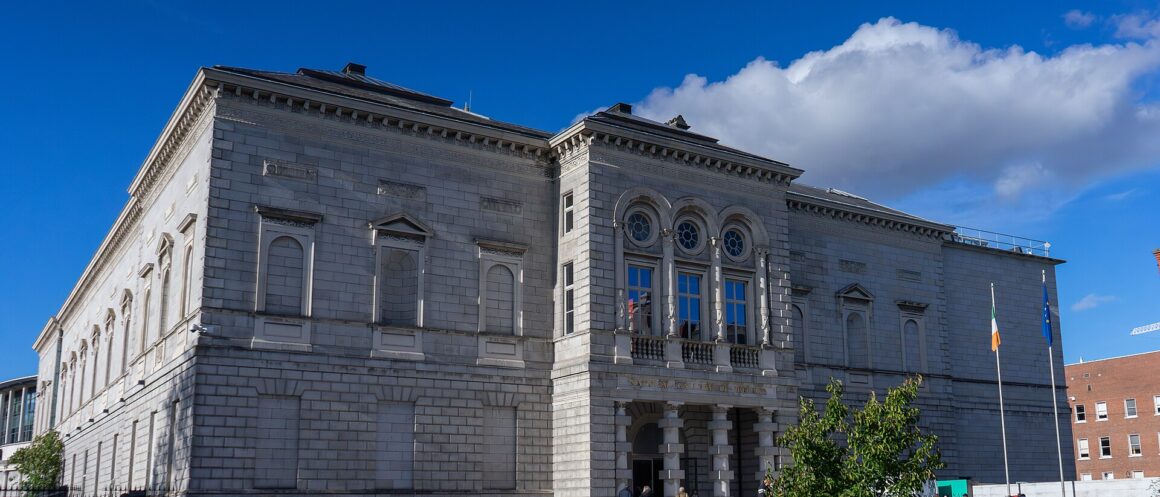
Most photographs of the National Gallery of Ireland show the grand stone façade on Merrion Square West, and for years that was the natural way in. From 13 November 2026, it isn’t. After closing completely from 10 to 12 November 2026, the gallery reopened on Friday 13 November with entry through Clare Street only. Its opening hours page says the Merrion Square entrance will remain closed because of access changes during events linked to Ireland’s Presidency of the Council of the European Union. No end date is given, so check that page for the current access notice before you go.
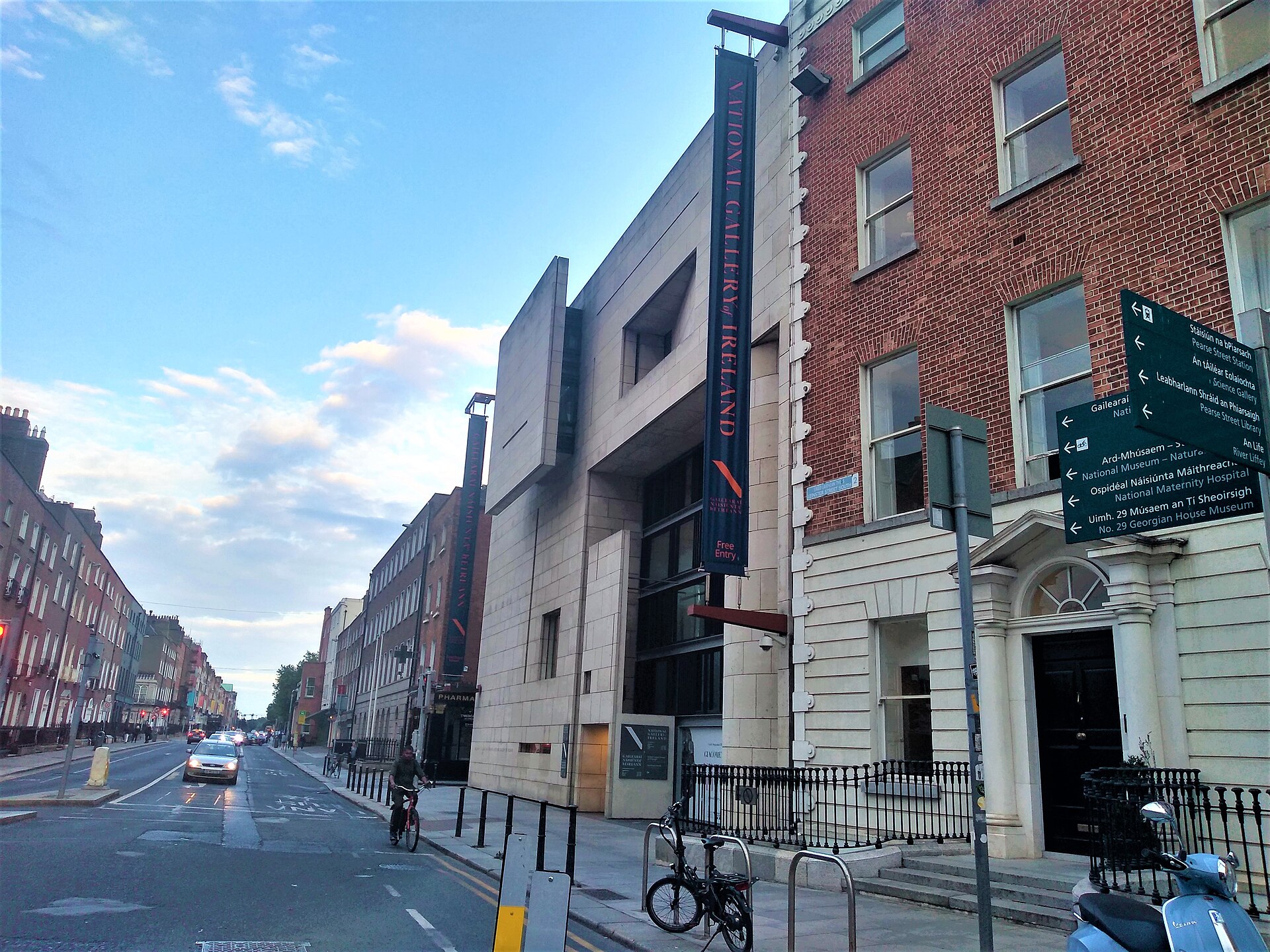
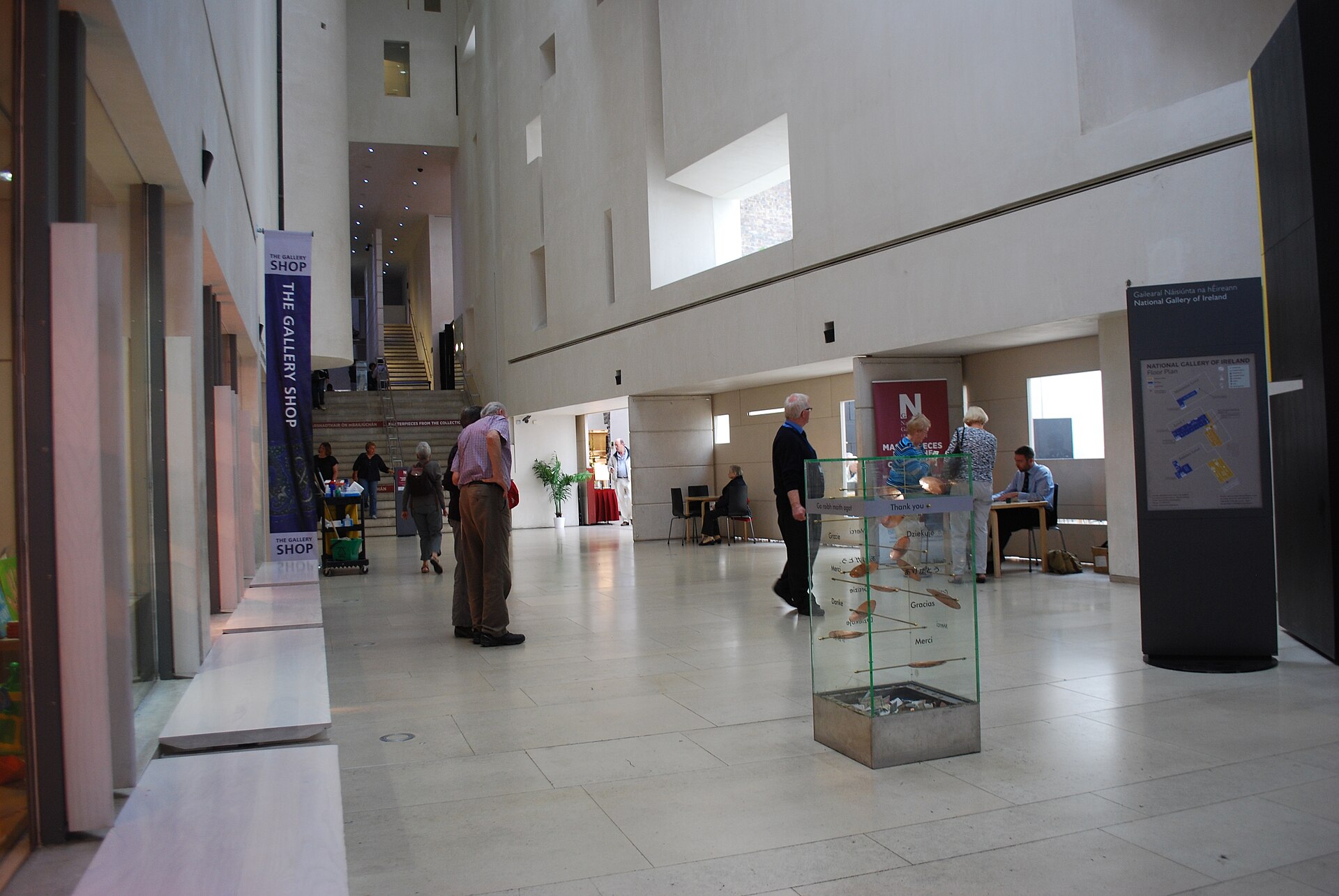
The Clare Street entrance is in the Millennium Wing, the pale stone building on Clare Street, a short walk from the back of Trinity College. It is arguably the better way in anyway. It drops you straight into the bright atrium with the shop, the information desk and the Gallery Café, and the older wings open off it.
Opening hours
| Day | Gallery | Gallery Café |
|---|---|---|
| Monday | 11:00–17:30 | 11:00–17:00 |
| Tuesday and Wednesday | 09:15–17:30 | 09:30–17:00 |
| Thursday | 09:15–20:30 | 09:30–20:00 |
| Friday and Saturday | 09:15–17:30 | 09:30–17:00 |
| Sunday | 11:00–17:30 | 11:00–17:00 |
Two details matter at the end of the day. Entry stops 15 minutes before closing, and the gallery starts closing its rooms from 16:50 (19:50 on Thursdays), so arriving at five o’clock buys you very little. The gallery closes on 24, 25 and 26 December and on Good Friday, and it opens 11:00–17:30 on New Year’s Day. It opens on Mondays, though hours can change on bank holidays, so check the opening hours page. Our bank holidays guide has the full picture.
What’s free and what you pay for
The permanent collection is free, with no booking needed. Some temporary exhibitions carry a charge, which is free for gallery members. In winter 2026–27 the ticketed show is Hilma af Klint: Artist and Visionary, running from 15 October 2026 to 7 February 2027 in Rooms 6–10. The gallery lists tickets “from €0–16”, so check its site for the price that applies to you. The other shows are free, including the Turner watercolours in January (more below). For the gallery’s full list, see its upcoming exhibitions page.
The Highlights: What to See at the National Gallery of Ireland
The collection is far bigger than what is on the walls at any one time, and paintings travel, go into conservation and move rooms when the gallery rehangs. The gallery’s online collection is the place to check a particular picture before you set off. With that caveat, these are the works most visitors come for.
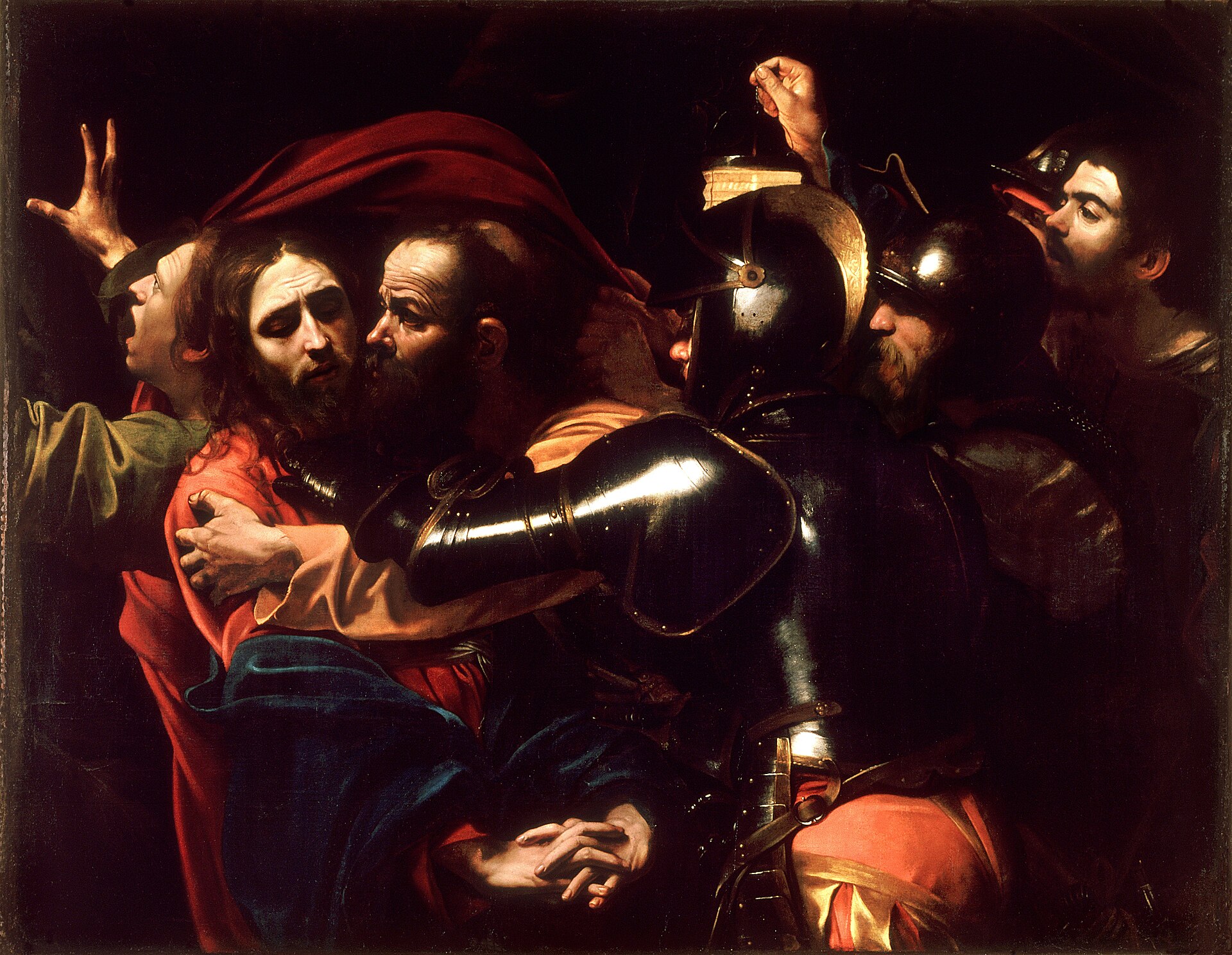
Caravaggio, The Taking of Christ (1602)
The story is the gallery’s most famous. In August 1990 the gallery’s senior conservator, Sergio Benedetti, identified a dark, grimy painting in the dining room of the Jesuit house on Leeson Street, a short walk from the gallery, as a lost Caravaggio: The Taking of Christ, painted in 1602. The Jesuit Community placed it on loan to the gallery in 1993, and its credit line still reads “on indefinite loan” from the Jesuit Community, Leeson Street. The picture shows Judas’s kiss and the arrest in the garden, crammed close against the picture plane. The man holding the lantern at the far right is often said to be Caravaggio himself. It is one of the most powerful paintings in Ireland. It travels on loan from time to time (it was shown in Caravaggio 2025 at the Palazzo Barberini in Rome), so if it is your main reason to visit, ask the gallery whether it is on view.
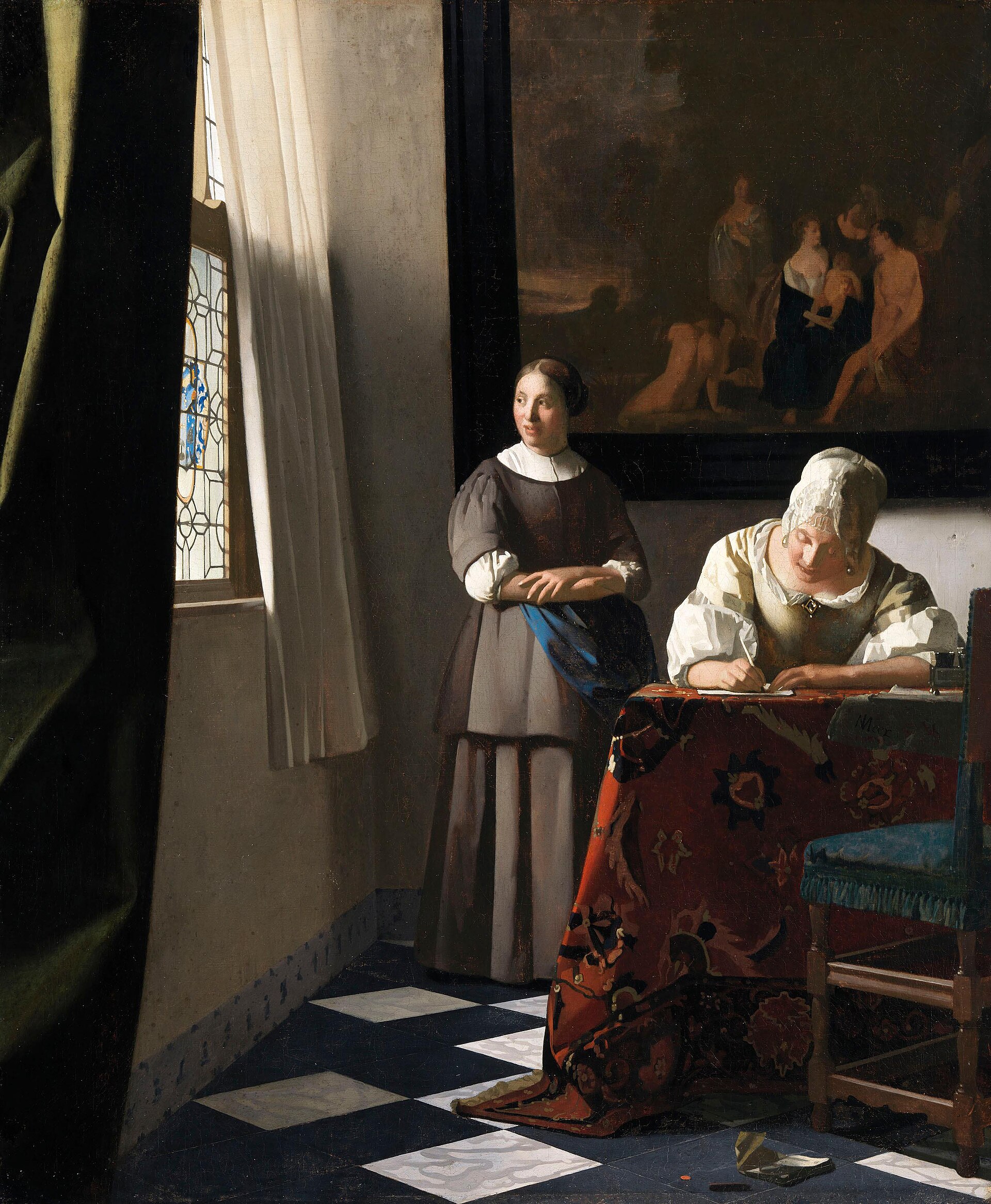
Vermeer, Woman Writing a Letter, with her Maid (c.1670)
Only about 36 paintings by Vermeer survive, as the gallery points out, and Dublin has one of them. A woman writes at a table while her maid looks out of the window, and a crumpled letter lies on the floor. The painting came to the gallery from the Beit collection, and it has an extraordinary history. It was stolen twice from Russborough House in County Wicklow, first in 1974 and again in 1986 by Martin Cahill’s gang, and recovered both times, the second time only in 1993.
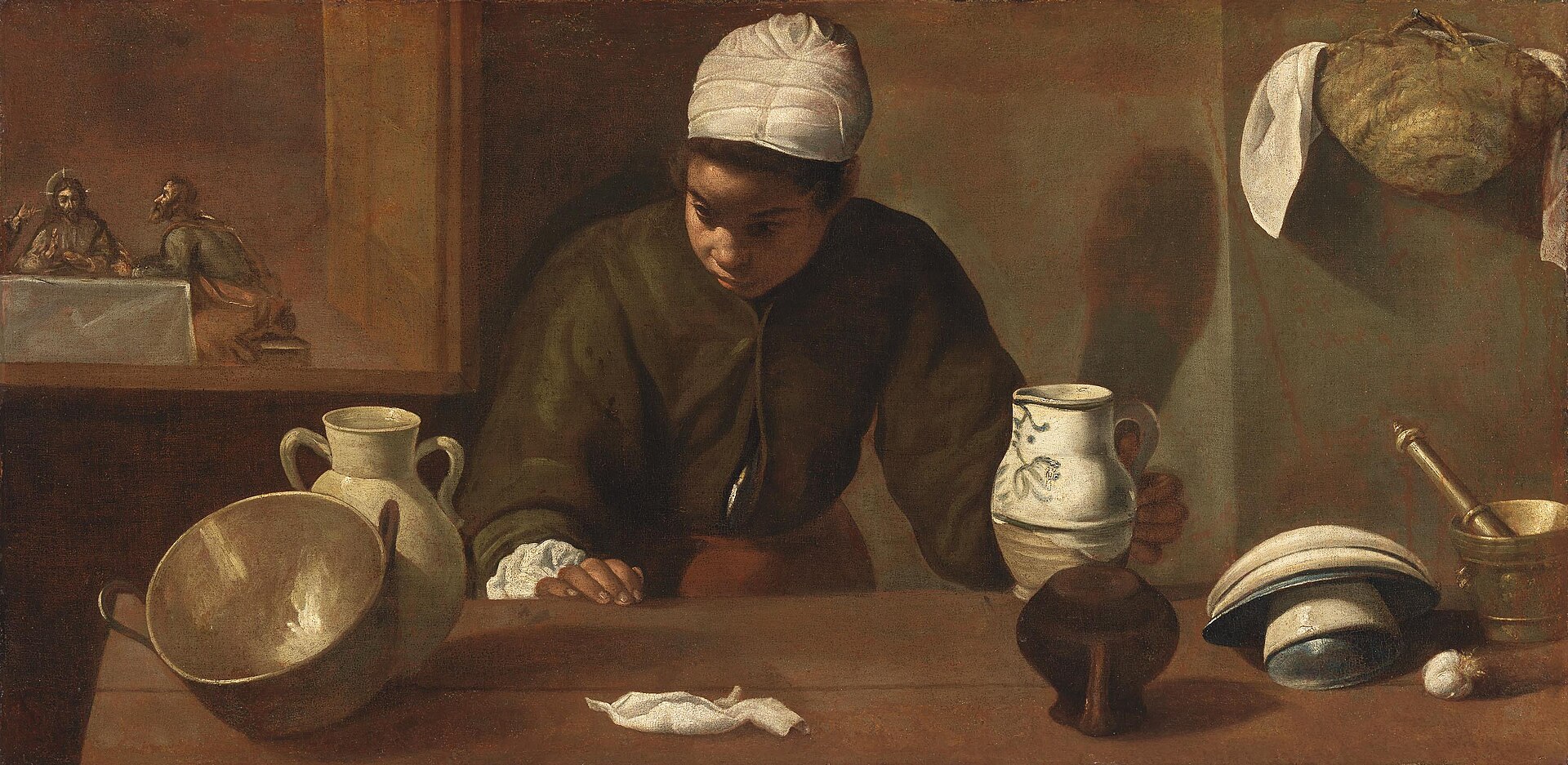
Velázquez, Kitchen Maid with the Supper at Emmaus (c.1617–18)
An early Velázquez, painted in Seville when he was still a teenager. In the foreground a young kitchen maid leans over a table of jugs and bowls, and through a hatch behind her you can just make out the supper at Emmaus, where the risen Christ is recognised by his disciples. It is a quiet, strange and very modern-feeling picture, and easy to walk past if you don’t know it is there.
The Irish collection: Maclise, Burton and Jack B. Yeats
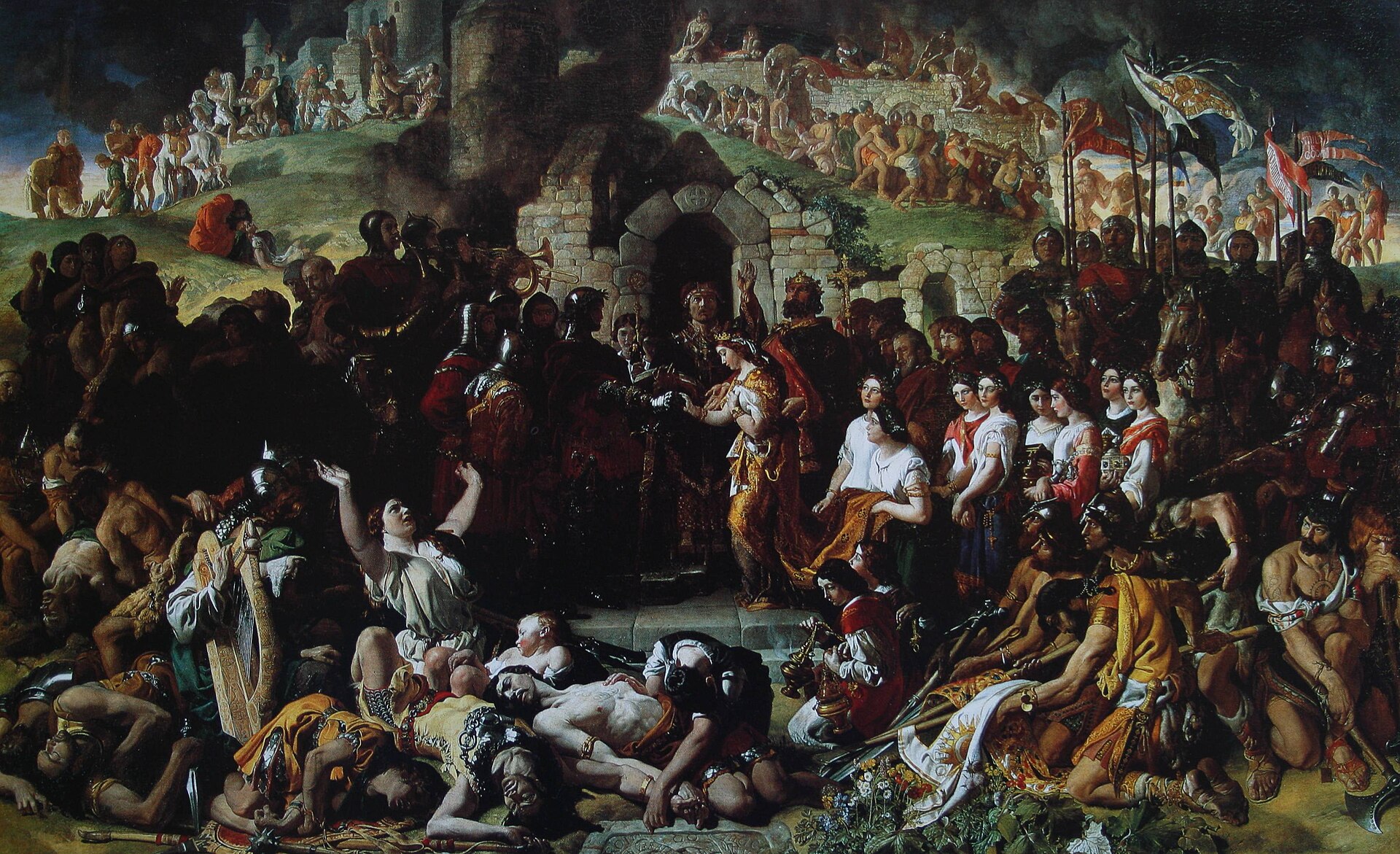
This is the part of the gallery you can’t see anywhere else, and the reason to stay past the headline pictures. Daniel Maclise’s The Marriage of Strongbow and Aoife is the giant: a vast, crowded, operatic canvas of the 1170 wedding that sealed the Norman arrival in Ireland, painted in the 1850s and packed with symbolism of a culture being overrun. Stand back from it, then go close.
Frederic William Burton’s Hellelil and Hildebrand, the Meeting on the Turret Stairs (1864) is the gallery’s great romantic watercolour. Because watercolour fades in light, it is shown only at set times. Ask at the information desk or check the gallery’s website for the current viewing times before planning around it. And Jack B. Yeats, the painter brother of the poet W.B., has a room of his own in the gallery’s tour material: loose, vivid, almost abstract late paintings such as For the Road (1951), with a horse and a lone figure on a road.
Picasso and the moderns
Picasso’s Still Life with a Mandolin (1924) features in the gallery’s own family tour material, which uses it to explain how Cubism breaks objects into shapes. It is a good place to start that conversation with children. The modern rooms are worth a lap even if the Old Masters are your main reason for coming.
Turner in January
Every January since 1901, the gallery has shown the 31 Turner watercolours of the Vaughan Bequest. Henry Vaughan left them on condition that they be shown only in January, when the light is weakest, and the tradition is still kept. According to the gallery’s page for the 2027 display, the 2027 show runs from 1 to 31 January 2027 in the Print Gallery, with free admission, and includes etchings from Turner’s Liber Studiorum. It is one of the loveliest small things to do in Dublin in January. See our Dublin in January guide for the rest of the month.
What’s On: Exhibitions in Winter 2026–27 and 2027
The gallery runs a steady programme of exhibitions alongside the free collection. Here are the dates it lists for the coming months:
- Hilma af Klint: Artist and Visionary, 15 October 2026 – 7 February 2027, Rooms 6–10. Ticketed (“from €0–16”).
- AIB Portrait Prize and AIB Young Portrait Prize, 14 November 2026 – 14 March 2027.
- Jan Steen: Sacred and Profane, 21 November 2026 – 25 April 2027, Sir Hugh Lane Room. Free.
- The Vaughan Bequest: Turner’s Watercolours, 1–31 January 2027, Print Gallery. Free.
- West: Art from the Edge of Ireland, 1 April – 11 July 2027.
- The Art of Painting, April 2027 – April 2028.
- German Expressionism, 9 September 2027 – 9 January 2028.
Prices and booking details for future shows go up on the gallery’s site closer to each opening.
The Building: Four Wings, Three Centuries
The National Gallery of Ireland was founded in 1854 and opened in 1864, in a building on Merrion Square West now called the Dargan Wing. It is named after William Dargan, the railway engineer who funded the 1853 Dublin Great Exhibition that helped bring the gallery about. It opened with 112 paintings. The Milltown Wing followed between 1899 and 1903, the Beit Wing opened in 1968, and the Millennium Wing on Clare Street opened in 2002, giving the gallery its modern entrance, atrium and exhibition spaces.
The gallery’s most famous benefactor was George Bernard Shaw, who left it a third of the royalties from his estate. He died in 1950, before Pygmalion became the musical My Fair Lady, so in a sense Eliza Doolittle helped pay for the collection. Walking from the Millennium Wing through to the Victorian rooms is part of the pleasure of a visit, as the building shifts from clean modern stone to gilt frames and top-lit galleries in a few steps.
Planning Your Visit
How long to allow
For the highlights (Caravaggio, Vermeer, Velázquez, the Maclise and the Yeats room), allow an hour and a half to two hours, including a coffee. A quick visit to see one or two pictures takes about forty minutes. A proper look at the Irish collection and the European rooms is a half day. The Thursday late opening until 20:30 is the easiest slot to fit into a busy trip.
Tours, audio and families
- Free tours: the gallery runs free public tours, including highlights tours at weekends, plus family tours. Check the gallery’s What’s On page for the times in the week you are visiting.
- Audio: there are no audio handsets. The gallery’s audio content plays on your own phone, so bring headphones and look for the headphone symbol on labels. There are also self-guided “Through a Lens” tours on its website.
- Children: free Family Packs from the information desks, regular free family tours, and drop-in drawing in the Atrium Creative Space. Our Dublin for families and rainy-day ideas for kids guides have more.
Bags, photography and access
- Bags: there is no bag storage desk. Suitcases are not allowed, and bags must fit the self-service lockers, which take a handheld bag or a regular backpack up to 45 × 37 × 45 cm. The lockers have been at the Merrion Square end, so check the visitor guide for where to leave a bag while that entrance is closed, or leave the luggage at your hotel.
- Photography: under the gallery’s photography policy, casual personal photos are fine, but flash, tripods and selfie sticks are not allowed in exhibition areas. Works in copyright or on long-term loan can’t be photographed where the label shows the no-photography symbol.
- Access: wheelchairs can be borrowed free at the information desk or reserved by email. Accessible toilets are in the Millennium Wing on Levels −1 and 1. For step-free routes and lifts, check the gallery’s visitor guide or call ahead.
The Gallery Café and shop
The Gallery Café is on Level 0 of the Millennium Wing, easiest to reach from the Clare Street entrance. It serves food and coffee through the day and stays open until 20:00 on Thursdays. The shop keeps similar hours (17:15 most days, 20:00 on Thursday) and sells prints, books and postcards of the collection. If you would rather leave the building, the streets around Merrion Square and Baggot Street have plenty of cafés and pubs. Our coffee shops guide picks the good ones.
Getting There
The gallery is on Merrion Square West and Clare Street, Dublin 2, on the south side of the city centre. According to its getting here page:
- DART: Pearse station is about a 5-minute walk. Our DART guide covers the coastal line.
- Luas: on the Green Line, get off at Dawson, about a 6-minute walk. From the Red Line, Abbey Street is about 20 minutes on foot.
- Bus: routes 4, 7 and 8 stop at Merrion Square North and Clare Street, and the 39a stops on Merrion Row.
- Bike and car: there are Dublinbikes stations at Clare Street and Merrion Square West, and metered parking on Merrion Square.
- On foot: about 10 minutes from St Stephen’s Green, Grafton Street and Trinity College.
For the bigger picture, see our guide to getting around Dublin.
What’s Nearby
The gallery sits in the middle of one of Dublin’s richest cultural clusters, and it is easy to build a whole day around it:
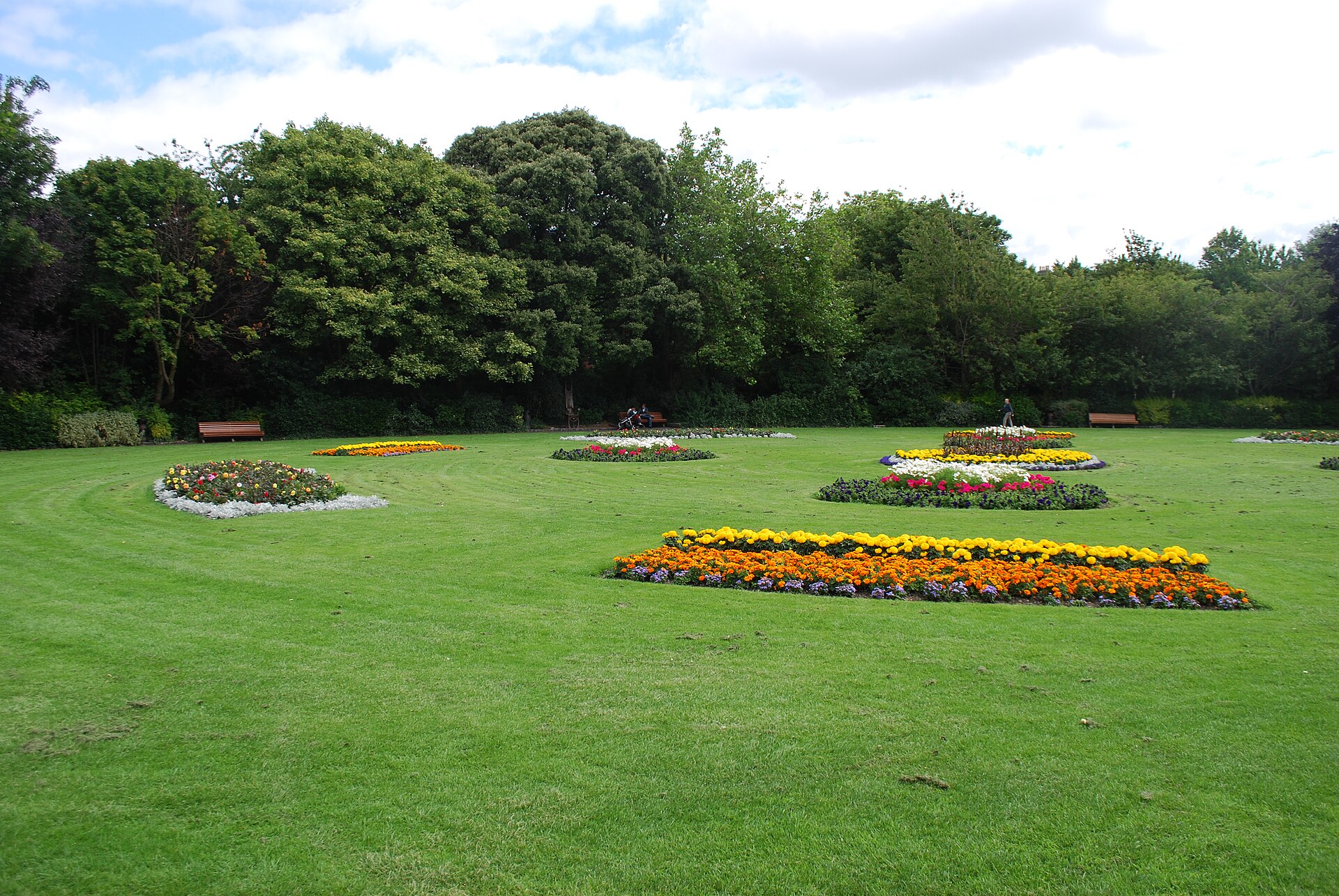
- Merrion Square: the park opposite is one of the finest of the Georgian squares, with the Oscar Wilde memorial in its north-west corner. It is a good place for a sandwich on a dry day.
- Government Buildings: free guided tours run on Saturdays only, 10:30–13:30, with free tickets collected on the day from the National Gallery’s Clare Street entrance from 10:00, according to Heritage Ireland. They can be cancelled for government business, so check first.
- National Museum of Ireland – Archaeology: on Kildare Street, five minutes away; check its website for opening hours. It is free, and has Ireland’s prehistoric gold and the bog bodies. Our history museums guide covers it. Note that the Natural History Museum on Merrion Street is closed for works.
- MoLI (Museum of Literature Ireland): on St Stephen’s Green, open daily 10:00–17:00, with tickets from €16.50. See our literary Dublin guide.
- Trinity College and the Book of Kells: about 10 minutes’ walk. See our Book of Kells guide.
Two of Dublin’s other great art collections are worth knowing about too. The Chester Beatty is closed to visitors until the end of December 2026, but our Chester Beatty guide covers it for later trips. For Dublin’s smaller and contemporary galleries, see our art galleries guide.
The Honest Verdict
The National Gallery of Ireland is an easy recommendation. It is free, central, open seven days a week, and it holds a handful of paintings that would headline any museum in Europe, alongside an Irish collection you won’t see anywhere else. It is the obvious answer to a wet afternoon. It also pairs perfectly with Trinity, Merrion Square and the Archaeology museum for a full cultural day on foot. Our free things to do in Dublin and rainy-day guide put it near the top for good reason.
The caveats are small. If you have one specific picture in mind, check that it is on view, because loans and conservation do move things. The temporary exhibitions can be ticketed. And from 13 November 2026 you need to walk round the corner to Clare Street. If art isn’t your thing at all, an hour here will still show you a building and a handful of stories, the Caravaggio’s discovery and the Vermeer’s thefts among them, that are worth the free entry. For a first trip, it fits neatly into our two-day Dublin itinerary.
National Gallery of Ireland Gotchas
- Merrion Square entrance closed. From 13 November 2026 the only way in is Clare Street. Check the gallery’s opening hours page for when that changes.
- Late starts on Monday and Sunday. Doors open at 11:00 on those days, not 09:15.
- Rooms close early. Galleries start closing from 16:50 (19:50 on Thursdays), and entry stops 15 minutes before closing time.
- Closed 24–26 December and Good Friday.
- No luggage. There is no bag storage desk and no suitcases. Bags must fit a 45 × 37 × 45 cm locker.
- Bring headphones. There are no audio handsets, and the audio content plays on your phone.
- Light-sensitive works have set showing times. Burton’s Meeting on the Turret Stairs is shown only at set hours, and the Turners only in January.
- Check star pictures before a special trip. The Caravaggio, for one, has travelled on loan.
- Don’t confuse it with the Natural History Museum nearby on Merrion Street, which is closed for works.
National Gallery of Ireland FAQ
Is the National Gallery of Ireland free?
Yes. Admission to the permanent collection is free, with no booking needed. Some temporary exhibitions are ticketed. Hilma af Klint: Artist and Visionary, which runs until 7 February 2027, is listed at “from €0–16”, while other shows, including Jan Steen: Sacred and Profane (from 21 November 2026) and the January Turner watercolours, are free.
What are the National Gallery of Ireland opening hours?
The gallery opens 11:00–17:30 on Mondays and Sundays, 09:15–17:30 on Tuesdays, Wednesdays, Fridays and Saturdays, and 09:15–20:30 on Thursdays. Entry stops 15 minutes before closing, and the gallery is closed on 24–26 December and Good Friday. Check the gallery’s opening hours page for any access notices.
How long do you need at the National Gallery of Ireland?
About two hours covers the highlights (the Caravaggio, Vermeer, Velázquez, the Maclise and the Jack B. Yeats paintings) with time for a coffee. A quick visit for one or two paintings takes around forty minutes, while a thorough look at the Irish and European collections can fill half a day.
What are the most famous paintings in the National Gallery of Ireland?
The best-known works include Caravaggio’s The Taking of Christ, Vermeer’s Woman Writing a Letter, with her Maid, Velázquez’s Kitchen Maid with the Supper at Emmaus, Daniel Maclise’s The Marriage of Strongbow and Aoife, Frederic William Burton’s Meeting on the Turret Stairs, Picasso’s Still Life with a Mandolin, and the paintings of Jack B. Yeats. The Vaughan Bequest Turner watercolours are shown every January.
Is the Caravaggio on display at the National Gallery of Ireland?
The Taking of Christ is on indefinite loan to the gallery from the Jesuit Community in Leeson Street and is normally one of its star exhibits. It travels on loan from time to time, most recently to Rome for Caravaggio 2025 at the Palazzo Barberini, so if it is the main reason for your visit, check with the gallery that it is on view before you go.
Can you take photos in the National Gallery of Ireland?
Yes, for personal use. The gallery’s photography policy allows casual still photos and video, but not flash, tripods or selfie sticks in exhibition areas. Works in copyright or on long-term loan cannot be photographed where the label carries the no-photography symbol.
Is there a café in the National Gallery of Ireland?
Yes. The Gallery Café is on Level 0 of the Millennium Wing, easiest to reach from the Clare Street entrance. It opens 09:30–17:00 Tuesday to Saturday (until 20:00 on Thursday) and 11:00–17:00 on Mondays and Sundays.
Which entrance do I use at the National Gallery of Ireland?
Use the Clare Street entrance. From 13 November 2026 the Merrion Square entrance is closed during events linked to Ireland’s EU Council Presidency, and the gallery has not given an end date. The Clare Street entrance is in the Millennium Wing, a short walk from the back of Trinity College.
When is the Turner exhibition at the National Gallery of Ireland?
Every January. The 31 watercolours of the Vaughan Bequest have been shown each January since 1901, and the 2027 display runs from 1 to 31 January 2027 in the Print Gallery, with free admission. It also includes etchings from Turner’s Liber Studiorum.
Keep Planning
- Dublin Museums: the full list, free and paid.
- Dublin Art Galleries: contemporary and smaller collections.
- The Best Free Things to Do in Dublin.
- Things to Do in Dublin When It Rains.
- Grafton Street and St Stephen’s Green: the walk between the gallery and the shops.
- Dublin in February and Dublin in January: the gallery season.
- One Day in Dublin: where the gallery fits in a short visit.
Photo Credits
Merrion Square façade: National Gallery of Ireland, Merrion Square Entrance Façade by David Kernan, CC BY-SA 4.0, via Wikimedia Commons.
Millennium Wing, Clare Street: National Gallery of Ireland by EstherWikipedian, CC BY-SA 4.0, via Wikimedia Commons.
The Taking of Christ: The Taking of Christ-Caravaggio (c.1602) by Caravaggio, public domain, via Wikimedia Commons.
Woman Writing a Letter, with her Maid: Woman writing a letter, with her maid, by Johannes Vermeer by Johannes Vermeer, public domain, via Wikimedia Commons.
Kitchen Maid with the Supper at Emmaus: La mulata, by Diego Velázquez by Diego Velázquez, public domain, via Wikimedia Commons.
The Marriage of Strongbow and Aoife: Marriage of strongbow and aoife by Daniel Maclise, public domain, via Wikimedia Commons.
Millennium Wing atrium: 20130810 dublin030 by Jean Housen, CC BY-SA 3.0, via Wikimedia Commons.
Merrion Square’s gardens: 20130810 dublin050 by Jean Housen, CC BY-SA 3.0, via Wikimedia Commons.
Keep Reading
Lean na Comharthaí — Keep following the signs