Dublin Ghost Tours: The Ghostbus, Haunted Walks & the City’s Dark History
Turais taibhsí i mBaile Átha Cliath
Ar an gComhartha Seo — On this sign
- Quick Answer: Which Dublin Ghost Tour Should You Book?
- The Ghostbus: Dublin’s Theatrical Ghost Tour
- Haunted Walking Tours in the Old City
- Dark History You Can Visit on Your Own
- Bram Stoker’s Dublin
- Ghost Tours at Halloween
- A Self-Guided Dark History Walk Through the Old City
- Which Ghost Tour Suits You?
- When to Go: Why the Dark Months Work Best
- Gotchas for Dublin Ghost Tours
- Dublin Ghost Tours FAQ
- Keep Planning
- Photo Credits
- Keep Reading
Dublin does dark history better than most cities its size. It has a medieval cathedral with a mummified cat and rat in the crypt, a gaol where the leaders of the 1916 Rising were executed, a cemetery that once needed watchtowers to keep body-snatchers out, a library that half-jokingly owns up to an archbishop’s ghost, and a ruined hunting lodge on a hill above the suburbs whose reputation has been getting worse for three hundred years. It also gave the world the author of Dracula. Add long winter evenings and a city that loves a story told well over a drink, and it is no surprise that Dublin ghost tours have become a fixture.
This guide to Dublin ghost tours sticks to the ones whose operators publish their own details: DoDublin’s Ghostbus, the theatrical bus tour that DoDublin dates to 1995, and the two haunted walking tours the same company runs through the old city. It also covers the dark-history sites you can visit on your own, Bram Stoker’s Dublin, what changes at Halloween, a self-guided walk through the medieval streets, and the gotchas, including one that surprises a lot of visitors: the famous mummies of St Michan’s are not on view. It is written for anyone who wants a few shivers with their pint, from couples on a city break to history buffs and families with teenagers.
Quick Answer: Which Dublin Ghost Tour Should You Book?
For a first taste of Dublin ghost tours, book the Ghostbus. It is a theatrical two-hour evening tour on a purpose-built bus, leaving 59 Upper O’Connell Street at 19:00 and 21:30, with a stop at a hidden city-centre graveyard, the steps of St Audoen’s and a good deal of body-snatching lore. Adult tickets are €35, and DoDublin sometimes runs a seasonal discount. It is for ages 14 and over, with under-16s accompanied by an adult, and the humour is bawdy, so it is not a night out for younger children.
If you would rather walk, DoDublin also runs two haunted walking tours: the two-hour Original Dublin Haunted Tour, from Crown Alley in Temple Bar to St Stephen’s Green, and the 90-minute Hidden Dublin Haunted History Tour, which starts in Barnardo Square beside City Hall. For the real thing in daylight, Christ Church’s crypt, Kilmainham Gaol, Glasnevin Cemetery and Marsh’s Library all tell darker stories than their guidebook entries suggest, and the Hellfire Club ruin in the Dublin Mountains makes a fine, faintly eerie walk.
| Tour or site | What it is | Adult price | Good to know |
|---|---|---|---|
| Ghostbus | Two-hour theatrical bus tour, 19:00 and 21:30 from 59 Upper O’Connell Street | €35 | Ages 14+; bawdy humour; not wheelchair accessible |
| Original Dublin Haunted Tour | Two-hour walk from Crown Alley, Temple Bar, to St Stephen’s Green, daily at 18:00 | €24 | Meets outside the Old Storehouse pub |
| Hidden Dublin Haunted History Tour | 90-minute walk from Barnardo Square, beside City Hall | See dodublin.ie | Advertised as running daily |
| Christ Church Cathedral crypt | Medieval crypt with the mummified cat and rat | €12 (cathedral admission) | Combined tickets with Dublinia |
| Kilmainham Gaol | Guided tour of the former prison | €8 | Tour only; book on the official sites |
| Glasnevin Cemetery | Guided tours, including the Dead Interesting tour | €17 per tour | Watchtowers once guarded against body-snatchers |
| Marsh’s Library | Early-18th-century library beside St Patrick’s Cathedral | €8 | Closed Sundays, Mondays and bank holidays |
| Hellfire Club | Ruined 1720s hunting lodge on Montpelier Hill | Free | Trail works on the hill until July 2027 |
| St Michan’s Church | Vaults known for their mummified remains | Not on sale | Vaults damaged by arson in 2024; listed as temporarily closed |
The Ghostbus: Dublin’s Theatrical Ghost Tour
Among Dublin ghost tours, the Ghostbus is the theatrical one: less a sightseeing tour than a piece of travelling theatre. DoDublin, the company behind one of the city’s hop-on hop-off bus tours, describes the first purpose-built Ghostbus as a 1995 creation of Dan O’Donoghue for Dublin Bus, and the format has kept its core ever since: a specially fitted bus, stories told with plenty of theatre, and a route that ducks into the corners of the old city most visitors never see after dark.
According to DoDublin’s Ghostbus page, the evening takes in a hidden graveyard in the city centre and the steps at St Audoen’s Church, where the story of Darkey Kelly is told. Along the way there is a demonstration of historical torture implements, plenty about the body-snatchers who once supplied Dublin’s anatomy schools, the tale of a certain Dr Clossey, and a turn through the life of Bram Stoker. The tone is closer to a raucous night at the theatre than a solemn history lesson, which is exactly why it works. You laugh, you jump, and you learn more than you expected about eighteenth-century Dublin.
Ghostbus practicalities
- Where: Dublin Bus head office, 59 Upper O’Connell Street, Dublin 1. Arrive 15 minutes before departure.
- When: evening departures at 19:00 and 21:30. Not every night has a departure, so check dodublin.ie for the dates you want.
- How long: about two hours.
- Age limit: 14 and over; under-16s must be with an adult. Expect adult humour.
- Price: €35 for adults, with seasonal offers from time to time.
- Language and access: English only, and the bus is not wheelchair accessible.
- Groups: the bus can be hired privately.
Book ahead in October, when the Bram Stoker Festival and Halloween bring extra demand, and in the run-up to Christmas. If you are combining it with dinner, the 19:00 departure leaves you free by about 21:00, which suits the restaurants around O’Connell Street and Parnell Square. The later bus works better as an after-dinner plan.
Haunted Walking Tours in the Old City
Not all Dublin ghost tours come on wheels. A walk suits anyone who prefers their ghost stories at a slower pace, with time to look at the buildings the stories belong to. DoDublin runs two on foot, both covering the medieval and Georgian core of the city.
Original Dublin Haunted Tour
This two-hour walk meets outside the Old Storehouse pub at 3 Crown Alley in Temple Bar and finishes at St Stephen’s Green, which makes it an easy add-on to an evening in Temple Bar. The route works through the narrow lanes of the old city, past churches and back streets that look entirely different in the dark. Tickets are €24 and the walk sets off at 18:00. DoDublin’s booking calendar shows a departure every day, so check it for your date before you plan the evening around it.
Hidden Dublin Haunted History Tour
The shorter option, at about 90 minutes, starts in Barnardo Square beside City Hall, at the top of Parliament Street, and DoDublin advertises it as running daily. It is pitched at the history end of the ghost-tour spectrum, so it suits people who want the stories with their context rather than a jump scare every five minutes. Check DoDublin’s site for the price and the day’s start time.
Other Dublin ghost tours you will see advertised
Search for ghost tours in Dublin and you will also find other products, including a Gravedigger-branded bus tour sold through hostels and booking sites. Before you pay for any tour, check who actually operates it, where it departs from and whether it runs on your date, ideally on the operator’s own website. A tour that only appears on resellers’ pages is harder to pin down if plans change. Our guide to Dublin walking tours covers the wider field, from free tip-based tours to specialist history walks.
Dark History You Can Visit on Your Own
You don’t need to book one of the Dublin ghost tours to find the city’s darker side. Several of the city’s best attractions carry stories that no ghost tour could improve on, and most of them are open by day, which makes them a good complement to an evening tour.
Christ Church Cathedral: the crypt, the cat and the rat
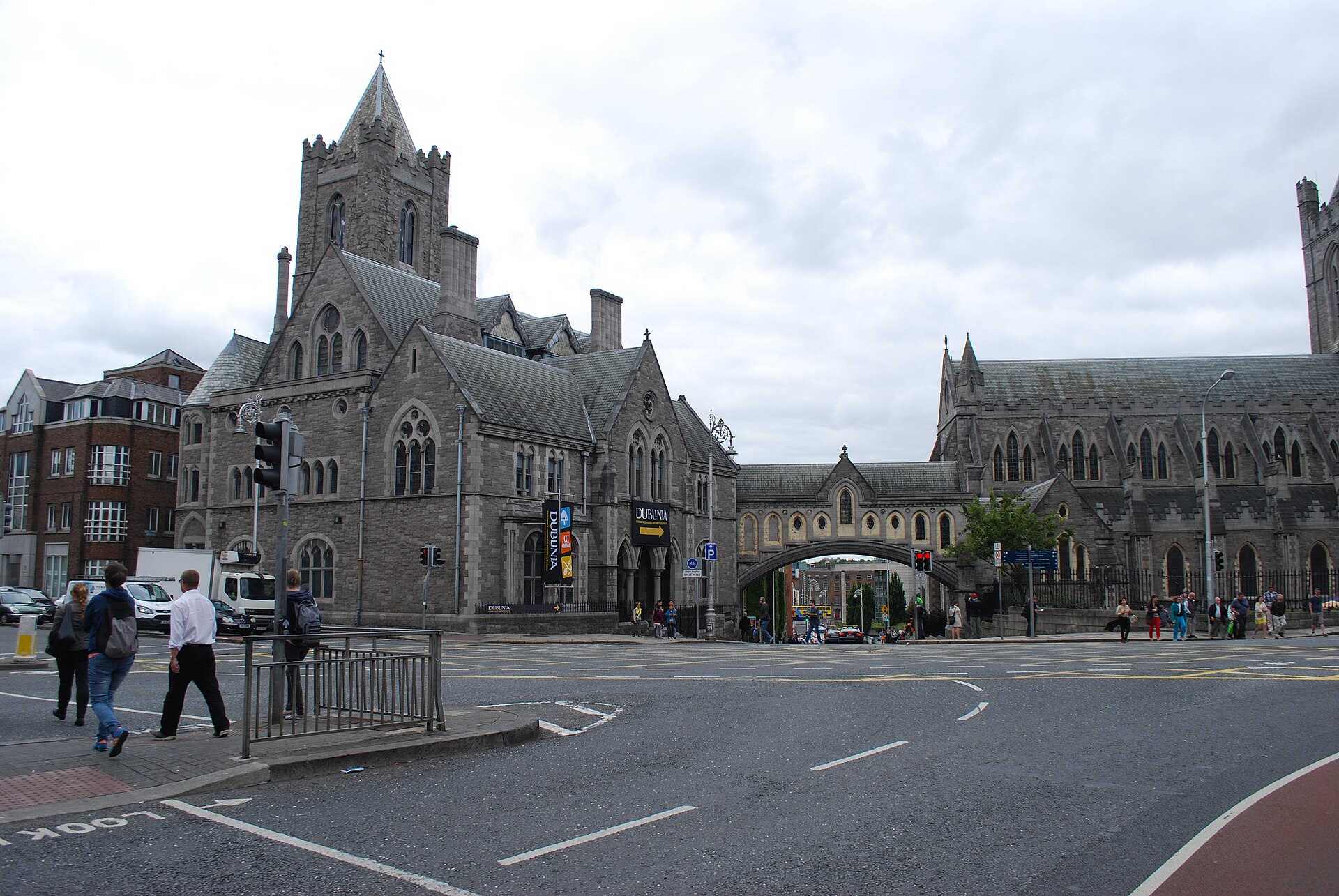
Christ Church’s crypt is, in the cathedral’s own words, the oldest building in the city still in use. Among the treasures and tombs is a pair of curiosities every visitor remembers: a mummified cat and rat, which the cathedral itself calls famous. Admission is €12 for adults, €10 for seniors and students, €4 for children and €28 for a family, and a combined ticket with Dublinia next door costs €25 for adults. The cathedral lists opening hours of Monday to Saturday from 09:30 to 17:00 and Sunday from 12:30 to 15:00; check christchurchcathedral.ie for hours over Christmas and in 2027. Our Christ Church Cathedral guide covers the rest of the building, and our Dublinia guide covers the Viking and medieval exhibition across the bridge.
Kilmainham Gaol
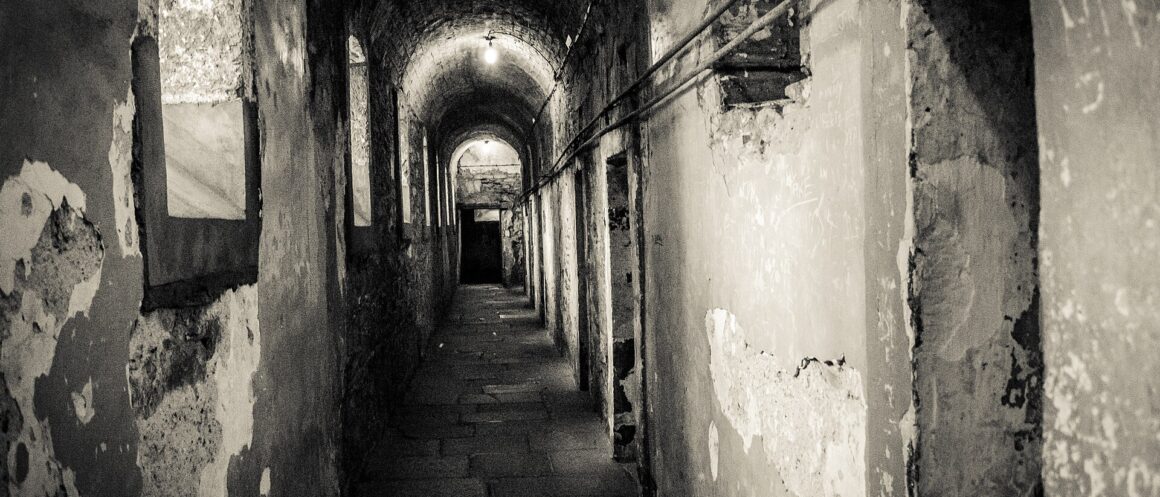
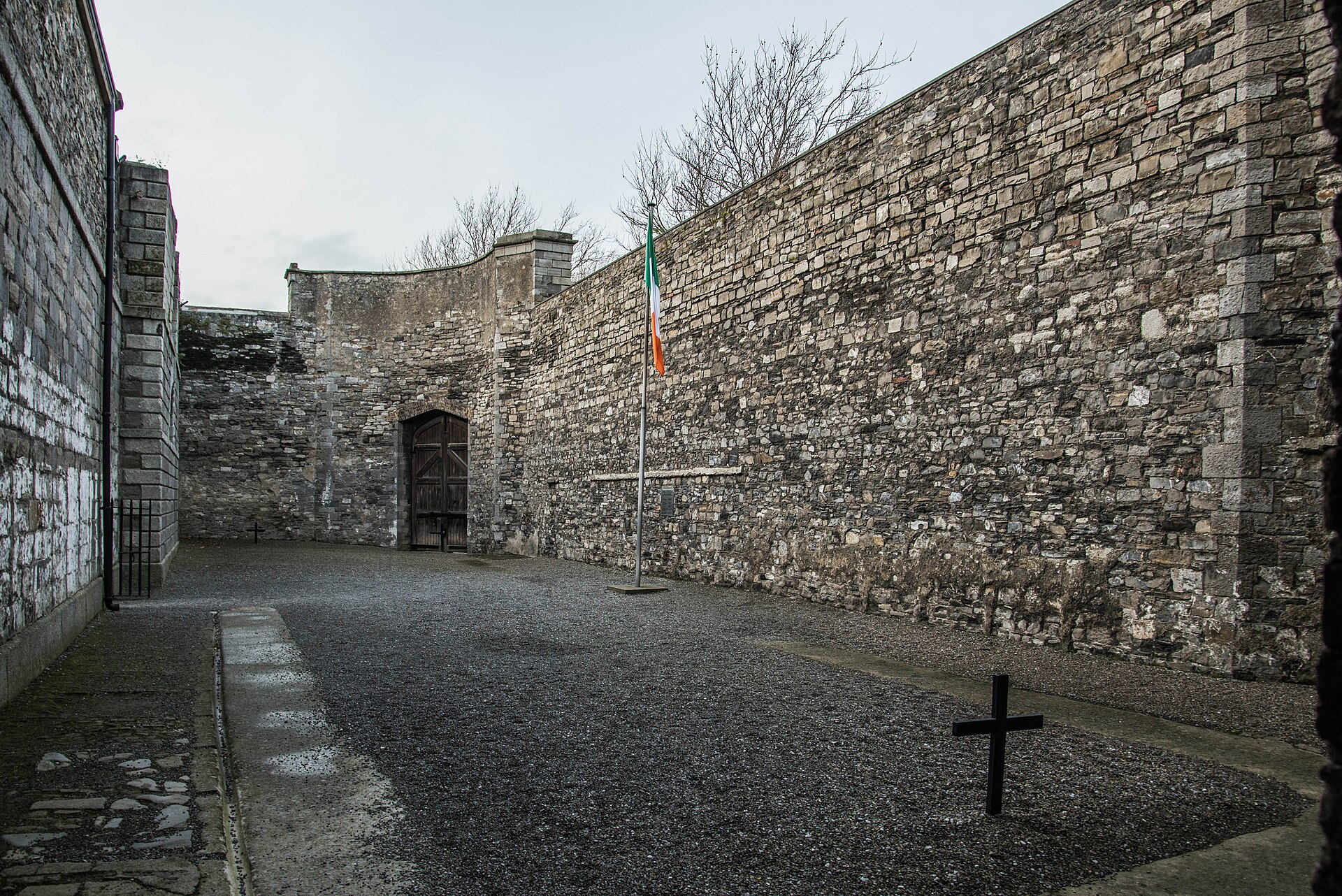
No ghost story in Dublin carries more weight than Kilmainham Gaol. The prison opened in 1796 and closed in 1924, and in May 1916 fourteen leaders of the Easter Rising were executed in its Stonebreakers’ Yard. Visits are by guided tour only, and tickets are sold only through the museum’s own site and heritageireland.ie; adults pay €8, seniors €6, students €4 and a family €20, and under-12s go free but still need a ticket. The tour walks you through the cold Victorian East Wing and the older cells, and it is one of the most affecting visits in the city. Book through kilmainhamgaolmuseum.ie as soon as your dates are fixed, and see our Kilmainham Gaol guide for how to plan the visit.
Glasnevin Cemetery and the body-snatchers
Glasnevin, Ireland’s national cemetery, was established in 1832, and more than 1.5 million people have been buried there, including Daniel O’Connell, Charles Stewart Parnell, Michael Collins, Éamon de Valera, Brendan Behan, Maud Gonne and Luke Kelly. In its early decades the cemetery was surrounded by a high wall with watchtowers, built to deter the body-snatchers who dug up fresh graves to sell corpses to the anatomy schools. That grim trade turns up again on the city’s ghost tours.
The Dublin Cemeteries Trust runs several guided tours, among them the Irish History Tour, the Women in History Tour and, for the purposes of this guide, the aptly named Dead Interesting Tour, each €17 on its ticket page. You can also climb the O’Connell Tower for €11 or see the exhibition with an audio-visual guide for €13. Afterwards, John Kavanagh’s pub, better known as the Gravediggers, is close by on Prospect Square.
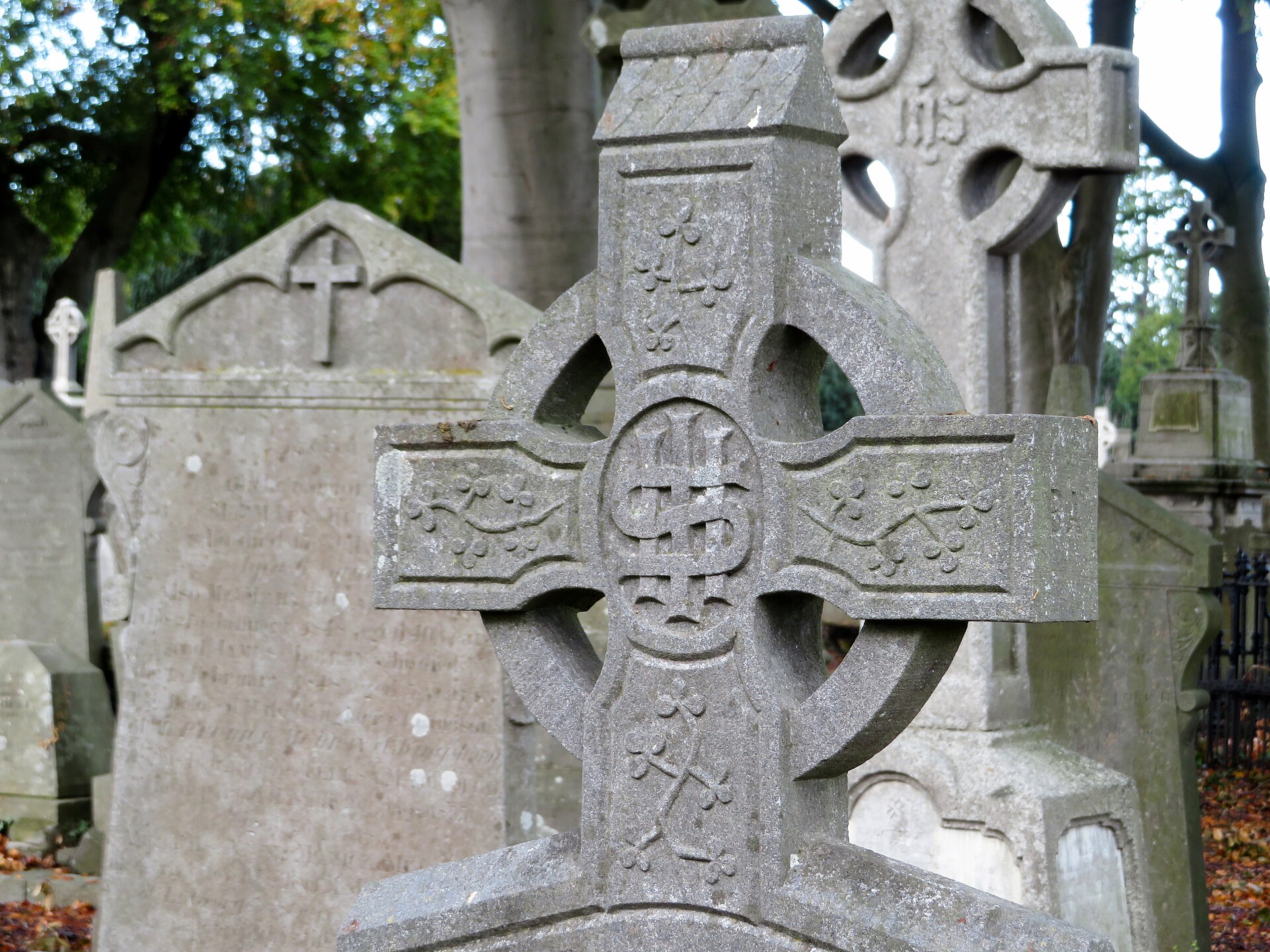
Marsh’s Library and the archbishop’s ghost
Tucked beside St Patrick’s Cathedral, Marsh’s Library was founded by Archbishop Narcissus Marsh (1638–1713), and the library describes itself as the first public library in Ireland. Its dark oak galleries and the wire cages where readers were once locked in with rare books are atmospheric enough on their own. The library also enjoys its ghost: its visitor notes suggest that a chill in the second gallery might be the cold north wall, or the ghost of an archbishop. A young Bram Stoker came here to read in 1866, while he was a student at Trinity.
Marsh’s Library opens Tuesday to Friday from 09:30 to 17:00 and on Saturday from 10:00 to 17:00, and it is closed on Sundays, Mondays and bank holidays. Adult admission is €8. Over Christmas it closes at 13:00 on Wednesday 23 December 2026 and reopens at 10:30 on Tuesday 5 January 2027. Pair it with St Patrick’s Cathedral next door.
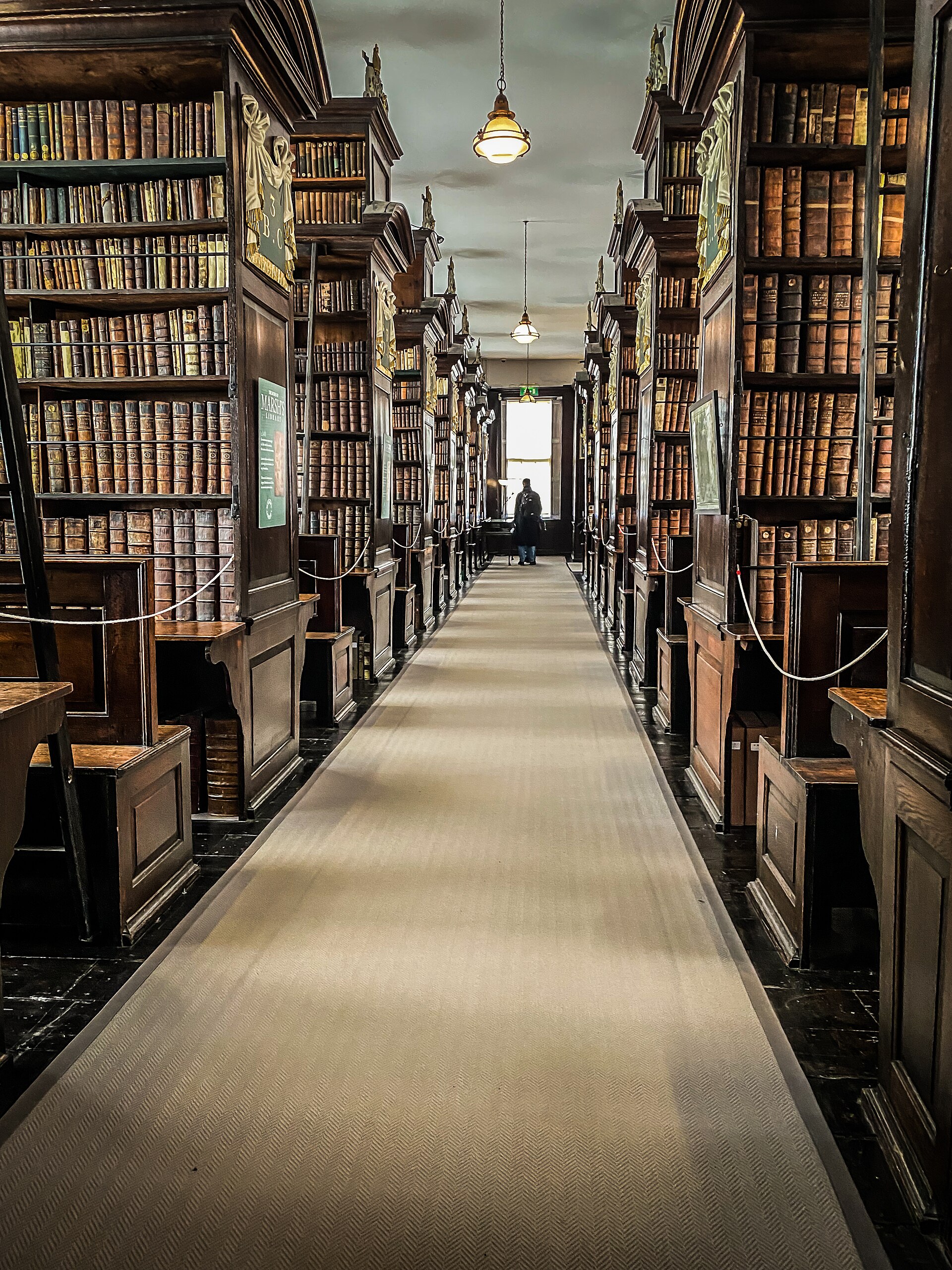
St Michan’s Church: the mummies you can’t see
For decades, the vaults beneath St Michan’s Church on Church Street were the most famous macabre sight in Dublin, where the dry air had preserved bodies in their open coffins for centuries. That changed in 2024, when an arson attack badly damaged the vaults. Discover Ireland lists the church as temporarily closed, so don’t build a day around it, and contact the church before you go if you want to see the building. The crenellated tower and the graveyard are still worth a look from outside on a walk through Smithfield.
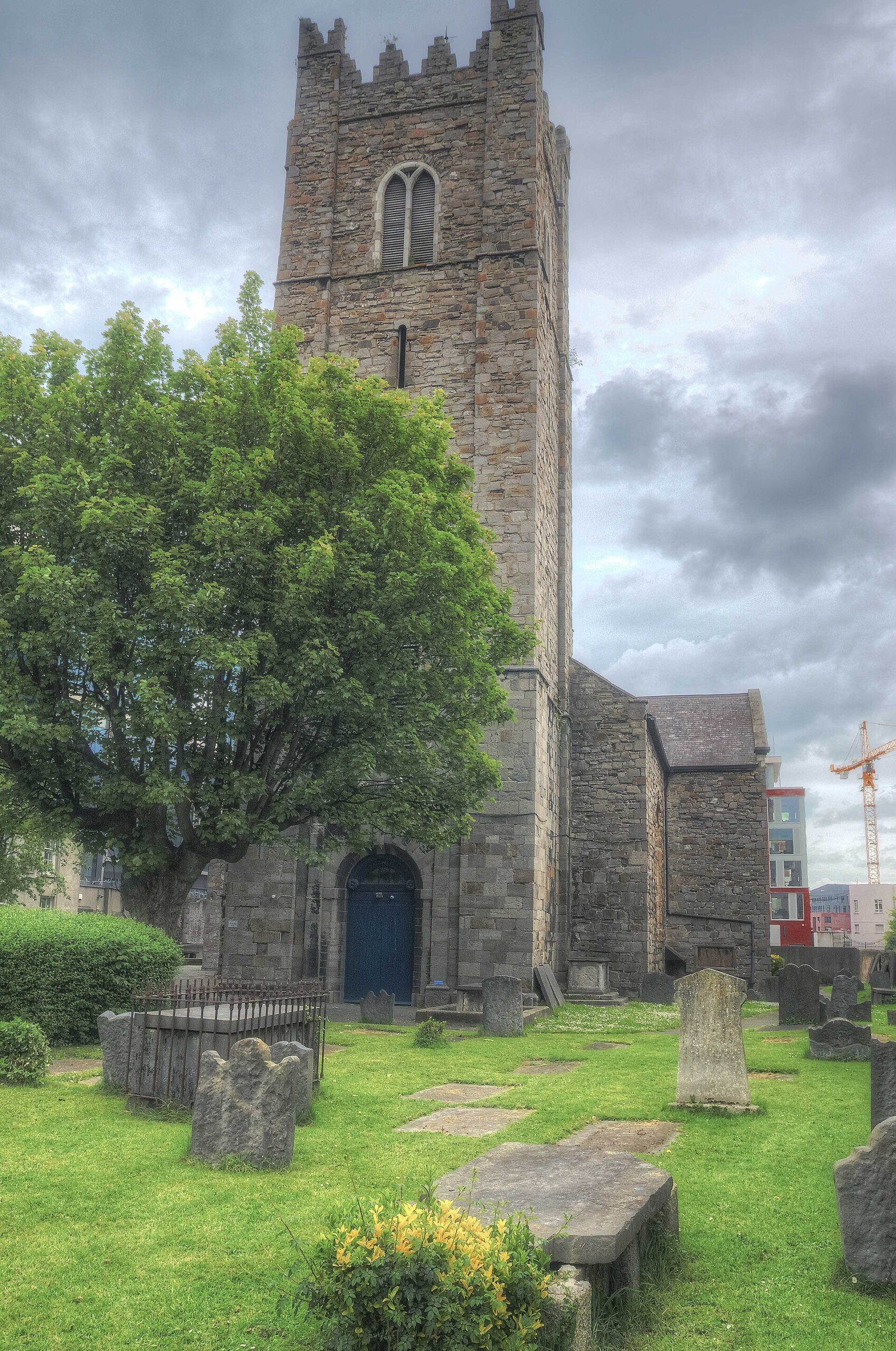
The Hellfire Club on Montpelier Hill
The ruin on top of Montpelier Hill in the Dublin Mountains began life around 1725 as a hunting lodge for William Conolly, built, so the record goes, with stones taken from a prehistoric tomb on the summit. That alone would give it a reputation. Its name comes from the Hellfire Club, a society of wealthy young men reputed to have met there in the eighteenth century, and Dublin folklore has been embroidering their antics ever since. The legends are best enjoyed as legends; the walk up through the forest, and the view over the whole city from the top, are entirely real.
South Dublin County Council and Coillte are carrying out trail improvement works on the hill from January 2026 to July 2027, so expect some diversions. There is no direct city-centre bus, so most people drive or take a taxi; our Dublin Mountains hikes guide has the routes, car parks and timings. Go in daylight and come down before dark: that is half the fun of a haunted hill.
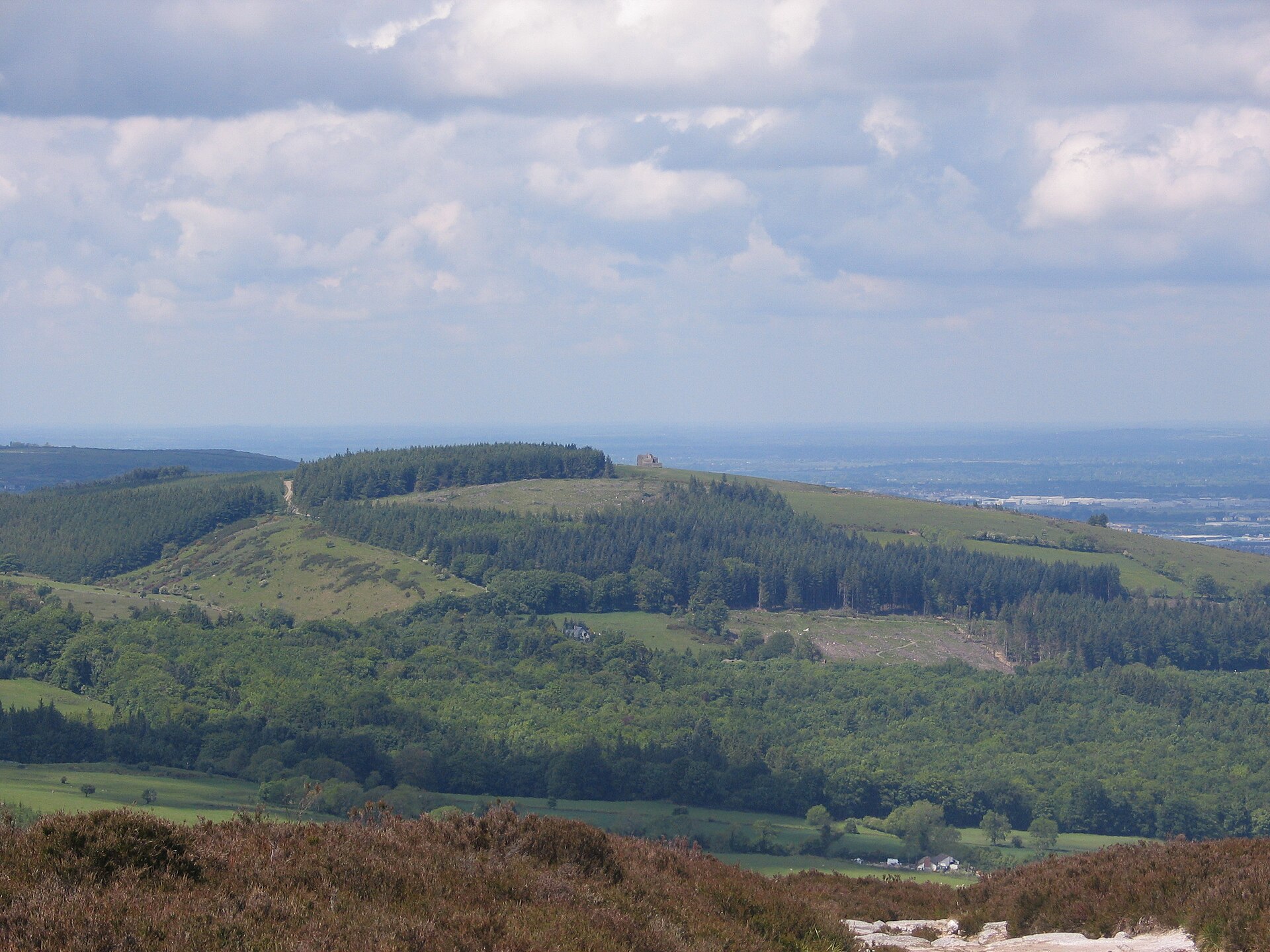
Bram Stoker’s Dublin
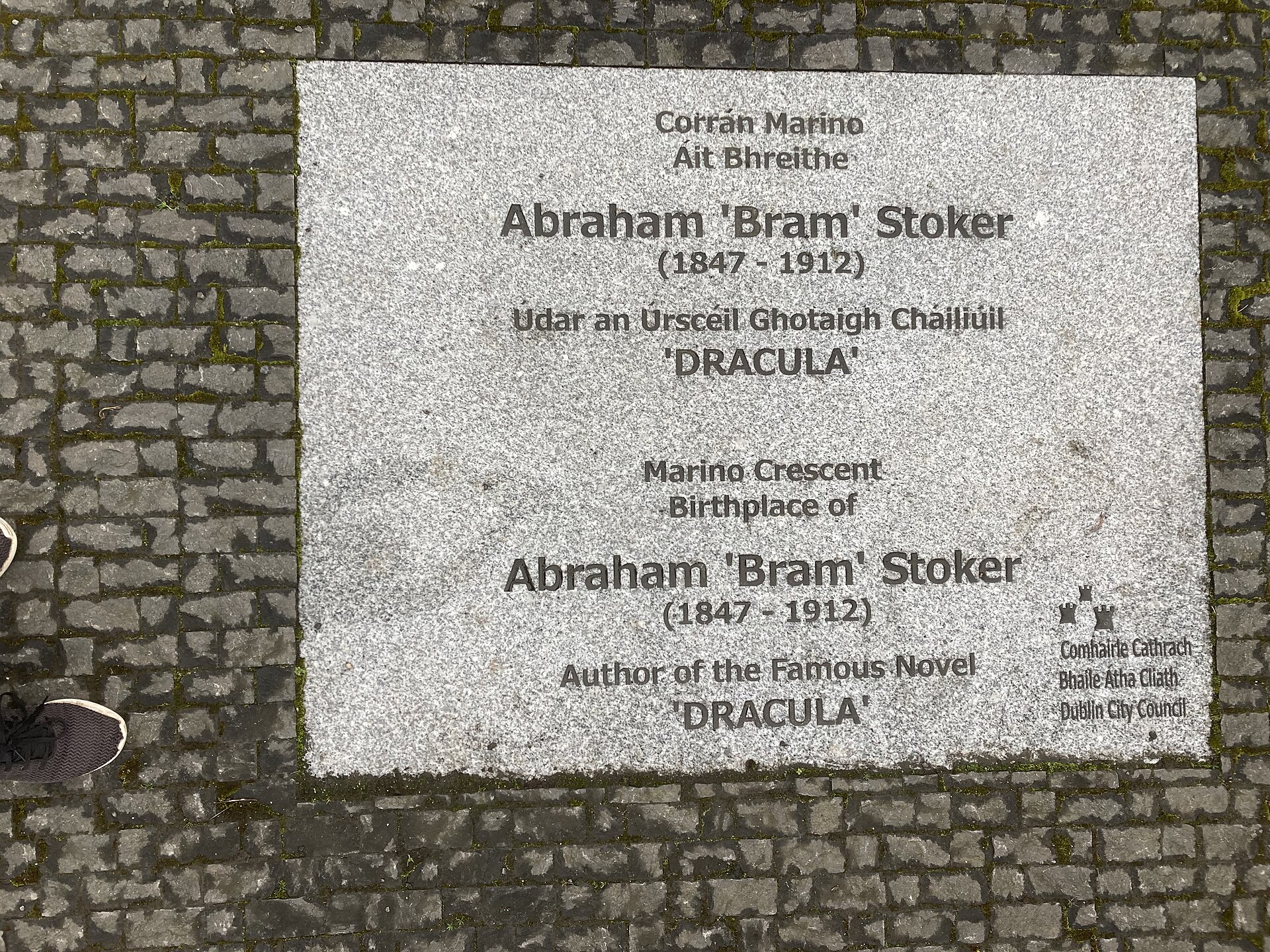
Dracula was written in London, but its author was a Dubliner through and through. Bram Stoker was born on 8 November 1847 at 15 Marino Crescent in Clontarf, next to what is now Bram Stoker Park. He studied at Trinity College, read at Marsh’s Library, worked as a civil servant at Dublin Castle and wrote theatre reviews for a Dublin newspaper before marrying Florence Balcombe in 1878 and moving to London. There he managed the Lyceum Theatre for the actor Henry Irving, and in 1897 he published Dracula. He died in London on 20 April 1912.
Stoker’s Dublin is easy to string together on a day in the city. Start at Trinity College, walk to Marsh’s Library, and finish with a trip out to Marino Crescent on the north side, a short bus ride from the centre. Dublin Castle, where he spent years as a clerk, is closed to the public until Monday 4 January 2027, so check our Dublin Castle guide before planning around it. For the wider literary city, see our guides to famous writers’ landmarks and Dublin’s literary festivals.
The city celebrates him every autumn with the Bram Stoker Festival, which in 2026 ran from Friday 23 to Monday 26 October, over the October bank holiday weekend. Many of its events are free. Check bramstokerfestival.com for the 2027 dates and programme.
Ghost Tours at Halloween
Halloween grew out of Samhain, the old Celtic festival that marked the turn from harvest to winter, and Ireland still treats it as a proper occasion. The last weeks of October are a popular time for Dublin ghost tours and the city puts on its own programme, built around the Bram Stoker Festival over the bank holiday weekend. North-west of the city, the Púca festival in Trim and Athboy, County Meath, leans into the Samhain roots; our Trim and Boyne Valley guide covers the area.
If your trip falls in late October, book the Ghostbus or a walking tour as soon as you have dates, and plan the rest of the week around the festival programme. Our Dublin Halloween guide has the full picture, and our Dublin in October guide covers the weather, the marathon and the bank holiday.
A Self-Guided Dark History Walk Through the Old City
If you want to set your own pace, the medieval city makes a compact, atmospheric route. Walk it in the late afternoon in winter, when the light goes early and the old streets empty out, and finish in a pub.
- Christ Church Cathedral. Start with the crypt and its mummified cat and rat while the cathedral is open.
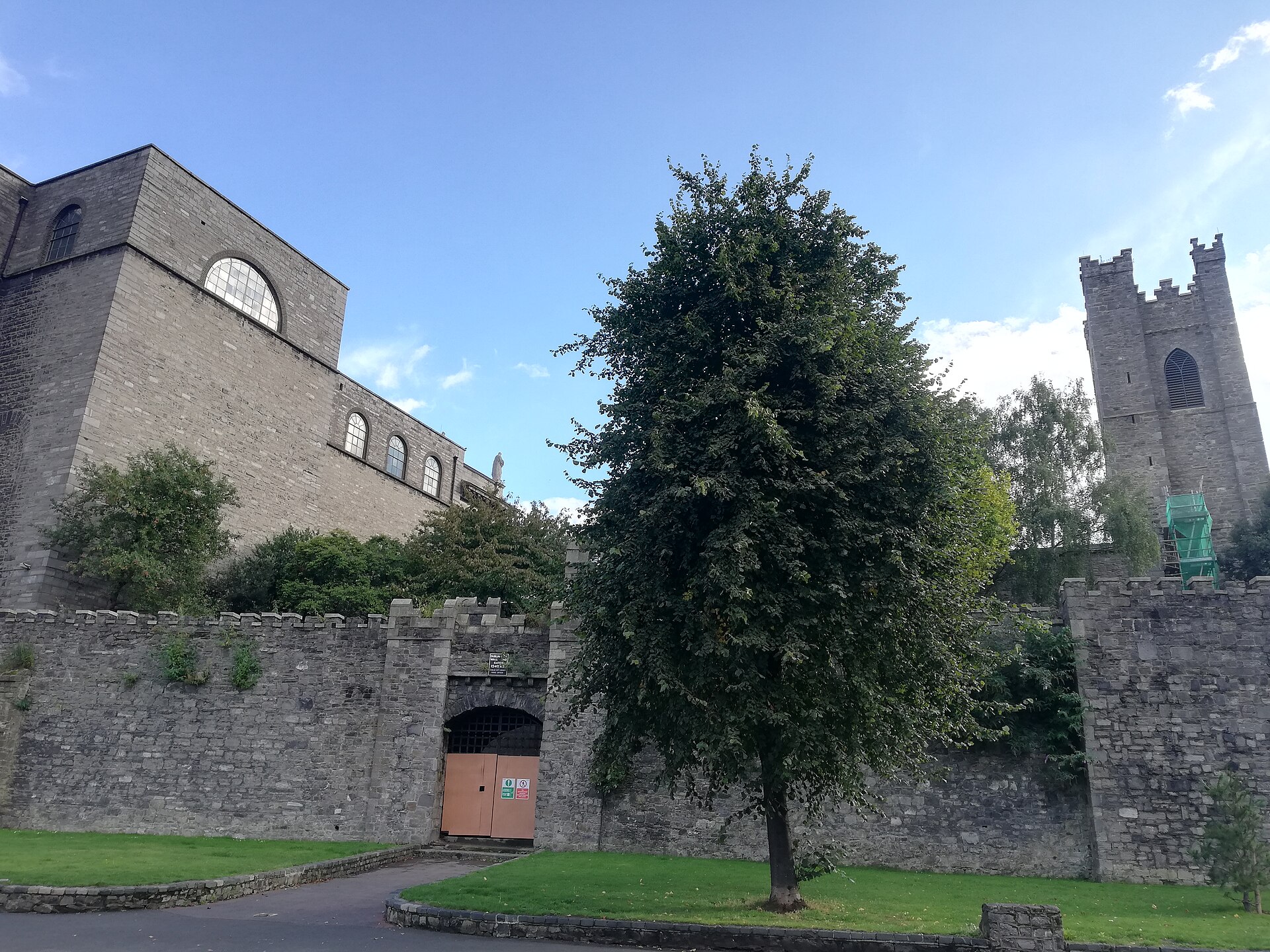
- St Audoen’s Arch and the city wall. A short walk west along High Street brings you to the steps down through the old wall, the stop where the Ghostbus tells the story of Darkey Kelly. St Audoen’s Church and its visitor centre are closed until 2027, but the arch and the wall are outside.
- Marsh’s Library and St Patrick’s Cathedral. Head south through the Liberties to the library and its archbishop’s ghost, then the cathedral beside it. Our Liberties guide covers the neighbourhood.
- City Hall and Barnardo Square. Walk back north to Dame Street, where the Hidden Dublin Haunted History Tour begins, beside the gates of Dublin Castle.
- Across the river to St Michan’s. Cross the Liffey to Church Street to see the tower and graveyard of St Michan’s from outside.
- Finish at the Brazen Head. Back across the river on Bridge Street, the pub gives 1198 as its founding date. Our guide to Dublin’s oldest pubs explains the claim, and our Viking and medieval Dublin guide fills in the history you have just walked through.
Which Ghost Tour Suits You?
- Couples and groups of friends: the Ghostbus, then a late drink. The humour is pitched at adults, and the two departure times make it easy to fit around dinner.
- Families with teenagers: the Ghostbus works from age 14, with under-16s accompanied. Kilmainham Gaol is a strong daytime companion.
- Families with younger children: skip the Ghostbus and head for Christ Church’s crypt, where the mummified cat and rat are a guaranteed hit, then Dublinia next door. Our Dublin for families guide has more.
- History buffs: Kilmainham Gaol, the Dead Interesting tour at Glasnevin and Marsh’s Library, with a haunted walk to tie the stories together.
- Walkers: the Hellfire Club in daylight, then a ghost walk in town after dark.
- Wheelchair users: the Ghostbus is not wheelchair accessible. Christ Church’s crypt is reached by wheelchair through the St John’s Lane entrance at the back of the cathedral; see our wheelchair-accessible Dublin guide for more.
When to Go: Why the Dark Months Work Best
Dublin ghost tours run in the evening, but Dublin’s evenings vary enormously through the year. Worked out for central Dublin, the sun sets at about 16:05 in mid-December and not until about 21:55 in mid-June. A 19:00 Ghostbus in December runs in full darkness, while the same departure in June starts and finishes in daylight. If atmosphere matters to you, come between late October, when the clocks go back, and early March. In spring and early autumn the 21:30 departure is the darker choice: the sun sets at about 20:25 in mid-April and about 19:40 in mid-September.
Winter has its own trade-offs. It is colder and wetter, and November is the wettest month at Dublin Airport, with 82.7 mm of rain on average, so dress for standing around in a graveyard: a hooded waterproof, warm layers and shoes that grip on wet stone steps. Kilmainham Gaol, Christ Church, Glasnevin and Marsh’s Library all open by day through the winter, which makes the season easy to plan: history in the afternoon, a ghost tour after dark. Our season-by-season guide has the weather month by month.
Gotchas for Dublin Ghost Tours
- The St Michan’s mummies are not on view. The vaults were damaged by arson in 2024 and the church is listed as temporarily closed.
- The Ghostbus is for ages 14+, with under-16s accompanied, and the humour is adult. It is not wheelchair accessible.
- Arrive 15 minutes early at 59 Upper O’Connell Street, as DoDublin asks.
- Late October and December are popular. Book ghost tours early around Halloween and the Christmas party season.
- Kilmainham Gaol is tour-only, and tickets are sold only through kilmainhamgaolmuseum.ie and heritageireland.ie.
- Marsh’s Library is closed on Sundays, Mondays and bank holidays. Plan it for a Tuesday to Saturday.
- Dublin Castle reopens to the public on 4 January 2027, and St Audoen’s Church and visitor centre are closed until 2027.
- The Hellfire Club has trail works until July 2027, and it is a hill walk, so wear proper shoes and go in daylight.
- Check who runs a tour before you buy it from a reseller.
Dublin Ghost Tours FAQ
Are there ghost tours in Dublin?
Yes. Dublin ghost tours include DoDublin’s Ghostbus, a two-hour theatrical bus tour that leaves 59 Upper O’Connell Street at 19:00 and 21:30, and two haunted walking tours: the two-hour Original Dublin Haunted Tour from Temple Bar and the 90-minute Hidden Dublin Haunted History Tour from Barnardo Square beside City Hall. Other ghost tours are sold through hostels and booking sites; check who operates them before you pay.
What is the best ghost tour in Dublin?
For most visitors it is the Ghostbus, because it combines genuine history with theatre, performers and stops you would not find on your own. If you prefer to walk and want more history than scares, the Hidden Dublin Haunted History Tour is the better fit. For the real dark history, Kilmainham Gaol and Glasnevin’s Dead Interesting tour are hard to beat.
How long is the Ghostbus tour, and is it suitable for children?
The Ghostbus lasts about two hours. It is for ages 14 and over, with under-16s accompanied by an adult, and DoDublin warns that the humour is bawdy. Younger children are better off with a daytime visit to Christ Church’s crypt and Dublinia.
How much does a ghost tour in Dublin cost?
The Ghostbus costs €35 for adults, with occasional seasonal discounts. DoDublin’s Original Dublin Haunted Tour, a two-hour walk, costs €24. At Glasnevin, each guided tour, including the Dead Interesting Tour, costs €17.
Can you see the mummies at St Michan’s Church?
Not since 2024. The vaults beneath St Michan’s were badly damaged in an arson attack in 2024, and Discover Ireland lists the church as temporarily closed. Contact the church before you go. Christ Church Cathedral’s mummified cat and rat are on display, and the cathedral is open to visitors.
What is the most haunted place in Dublin?
There is no official answer, and every tour has its favourite. The places with the strongest stories are Kilmainham Gaol, Glasnevin Cemetery and its body-snatching history, St Audoen’s steps and the legend of Darkey Kelly, Marsh’s Library and its archbishop, and the Hellfire Club on Montpelier Hill.
Where was Bram Stoker born in Dublin?
At 15 Marino Crescent in Clontarf, on 8 November 1847; the park beside the house is now Bram Stoker Park. He studied at Trinity College, read at Marsh’s Library in 1866 and worked as a civil servant at Dublin Castle before moving to London. The Bram Stoker Festival celebrates him every autumn.
Do Dublin ghost tours run all year?
The Hidden Dublin Haunted History Tour is advertised as running daily, and the Ghostbus has evening departures at 19:00 and 21:30. DoDublin’s site shows which dates are on sale, so check it for your trip, especially around Christmas and in late October.
Keep Planning
- Dublin at Halloween: the Bram Stoker Festival, parades and Samhain trips.
- The best Dublin walking tours: free tours, history walks and specialist routes.
- Dublin’s history museums: Kilmainham, the GPO Museum and more.
- Dublin nightlife and pubs: where to go after the tour.
- Dublin season by season: when the evenings are longest.
- Things to do in Dublin when it rains: indoor ideas for a grey day.
- Dublin’s hidden gems: more corners most visitors miss.
Photo Credits
Kilmainham Gaol cell corridor: County Dublin – Kilmainham Gaol – 20160507120812 by Dieglop, CC BY-SA 4.0, via Wikimedia Commons.
Ha’penny Bridge at night: Ha’penny Bridge N1 by Kvezys, CC BY-SA 4.0, via Wikimedia Commons.
Dublinia and its bridge to Christ Church: 20130809 dublin120 by Jean Housen, CC BY-SA 3.0, via Wikimedia Commons.
The Stonebreakers’ Yard: County Dublin – Kilmainham Gaol – 20221129160314 by Olliebailie, CC BY-SA 4.0, via Wikimedia Commons.
Celtic cross at Glasnevin: Celtic cross on a gravestone in Glasnevin Cemetery – geograph.org.uk – 5947082 by Gareth James, CC BY-SA 2.0, via Wikimedia Commons.
The book gallery of Marsh’s Library: Dublin – Marsh’s Library – 20230428140225 by Dieglop, CC BY-SA 4.0, via Wikimedia Commons.
St Michan’s Church: County Dublin – St Michan’s Church (Dublin) – 20190518120424 by Rickybon, CC BY-SA 4.0, via Wikimedia Commons.
Montpelier Hill and the Hellfire Club: Mount Pelier by Joe King, CC BY-SA 3.0, via Wikimedia Commons.
Bram Stoker plaque at Marino Crescent: Dublin – Bram Stoker Park – 20220207143232 by Malone0, CC BY-SA 4.0, via Wikimedia Commons.
The city wall at St Audoen’s: Dublin city walls remnant at St Audoen’s by Sheila1988, CC BY-SA 4.0, via Wikimedia Commons.
Keep Reading
Lean na Comharthaí — Keep following the signs