Wheelchair Accessible Dublin: Step-Free Attractions, Transport & Hotels
Baile Átha Cliath do Chathaoireacha Rothaí
Ar an gComhartha Seo — On this sign
- Quick Answer: Is Dublin Wheelchair Accessible?
- Getting Around Wheelchair Accessible Dublin: Transport in Detail
- Wheelchair Accessible Dublin Attractions, Honestly Assessed
- The Pavements, and Where They Get Bad
- Where to Stay
- Arriving: The Airport and the Transfer
- Eating and Drinking
- Parks, Coast and Getting Out of the City
- Money: Carer Tickets, Cards and Discounts
- Gotchas
- Wheelchair Accessible Dublin FAQ
- Keep Planning
- Keep Reading
- Photo Credits
Dublin is a genuinely mixed picture for wheelchair users, and pretending otherwise helps nobody. The public transport is better than most visitors expect — every bus in the fleet has a ramp, every Luas tram and stop is level-boarding, and most DART stations are step-free. The city centre is flat, which counts for an enormous amount. But the pavements are patchy, the cobbles in the oldest quarters are punishing, a great many pubs and restaurants occupy Georgian buildings with a step at the door and a basement toilet, and accessible hotel rooms exist in small numbers that sell out early.
This guide covers wheelchair accessible Dublin as it actually is in 2026: which attractions are properly step-free and which merely claim to be, how the buses, trams and trains really work when you need a ramp, where the pavement gets bad, which hotels have roll-in showers, and what to book before you fly. It is written for a visitor who uses a manual or powered chair, and it should also be useful to anyone travelling with limited mobility, a walking frame or a buggy. We have flagged where our information comes from an operator and where it does not.
Quick Answer: Is Dublin Wheelchair Accessible?
Broadly yes, with real caveats. The core of the city is flat and compact, the entire Dublin Bus fleet is low-floor with a driver-deployed ramp, all Luas trams and stops are accessible, and the major paid attractions — the Guinness Storehouse, EPIC, Kilmainham Gaol, the national museums — have lifts, ramps and accessible toilets. Ireland’s museums are largely free, which removes the cost question from a lot of the itinerary.
The gaps are in the older fabric. Temple Bar’s cobbles are genuinely difficult in a manual chair. Georgian doorsteps mean a proportion of the city’s best pubs and restaurants are simply not enterable. Two DART stations, Sandymount and Sydney Parade, have stairs only. Wheelchair-accessible taxis exist but must be pre-booked rather than hailed. And accessible hotel rooms are scarce enough that booking eight weeks ahead is normal rather than cautious. A wheelchair accessible Dublin trip works well — it just needs more advance booking than the same trip would in a newer city.
| Element | Position |
|---|---|
| Terrain | Flat city centre; Howth and Killiney are the hillier exceptions |
| Dublin Bus | Whole fleet low-floor with ramp; one wheelchair space per bus; board at the front door |
| Luas | All trams and all stops accessible; two wheelchair areas per tram, central doors |
| DART | Most stations step-free; staff deploy ramps at gated stations; contact Irish Rail ahead |
| Taxis | Wheelchair-accessible vehicles must be pre-booked, not hailed |
| Major attractions | Guinness Storehouse, EPIC, Kilmainham Gaol and the national museums are accessible |
| Free museums | National Museum sites, National Gallery, Botanic Gardens — all free, all accessible |
| Worst surfaces | Temple Bar cobbles, parts of the Liberties, some Georgian pavements |
| Hotel rooms | Available but scarce — book eight weeks out and confirm the specification directly |
| Carer tickets | Widely free at paid attractions; ask at the desk rather than assuming |
Getting Around Wheelchair Accessible Dublin: Transport in Detail
This is where Dublin does better than its reputation, and it is worth understanding in detail because it changes what the rest of the trip looks like. Our general transport guide covers fares and zones; this section covers the accessibility layer on top.
Dublin Bus
Every vehicle in the Dublin Bus fleet is low-floor with a ramp that the driver deploys on request, and the same applies to the Go-Ahead Ireland routes. Two things to know. First, there is one wheelchair space per bus — if it is already occupied, you wait for the next one, which on a frequent city route is a few minutes and on a suburban route can be twenty. Second, you must board and alight by the front doors, because the ramp is only at the door beside the driver. Signal clearly at the stop; drivers are watching for it but a busy stop is a busy stop.
Luas
The trams are the easiest thing in the city. Every Luas tram and every Luas stop is wheelchair accessible, with level boarding straight off the platform — no ramp, no staff, no waiting. Each tram has two designated wheelchair areas, reached through the four central sets of double doors. Park-and-ride stops have accessible parking bays. If you can plan your days around the Green and Red lines, do it; the Luas is the single most reliable element of wheelchair accessible Dublin.
DART and Irish Rail
Most DART stations have step-free access, and at gated stations staff deploy a ramp to bridge the platform gap. The important exceptions are the older stations — Sandymount and Sydney Parade are the named examples, with stairs only. Irish Rail asks that you contact them in advance by phone or email if you need boarding assistance, and that is worth doing even where you expect the station to be staffed, because it puts your journey on the system at both ends. Our DART guide covers the line and its stations.
Taxis
Wheelchair-accessible vehicles are in the Dublin fleet but they are a minority, and you will not find one waiting on a rank. Pre-book, specify the vehicle type explicitly when you book, and allow more lead time than you would for a standard taxi — particularly late at night and on match or festival days. Our Dublin taxi guide covers the apps, the ranks and the fare structure.
Independent Travel Support
Transport for Ireland runs an Independent Travel Support service across Dublin Bus, Go-Ahead, DART and Luas — practical help for people learning a route or building confidence on the network. It is aimed at residents but it is a useful indicator of how the system is set up, and the accessibility pages on transportforireland.ie are the authoritative source when something in this guide has changed.

Wheelchair Accessible Dublin Attractions, Honestly Assessed
Guinness Storehouse
One of the easiest major attractions in the city to visit by wheelchair. It is fully wheelchair accessible with lifts to all seven floors, staff assist at the entrance, and loan wheelchairs are available free at the Information Desk, subject to availability. A complimentary carer ticket comes with a paid adult self-guided ticket. There are also sensory-friendly tours on the first Wednesday of every month, with reduced noise and lighting across the experiences — relevant if you are travelling with an autistic family member.
The practical caveat is crowding rather than access: the Gravity Bar at peak time is a scrum, and the lift queues follow the general visitor peaks. Book an early slot. See our Guinness Storehouse guide for timing and pricing.
EPIC The Irish Emigration Museum
A digital museum in a converted building, which turns out to be excellent news for access: ramps and lifts throughout, accessible tours, and no original artefacts in tight glass cases to negotiate. The CHQ building on Custom House Quay is level from the quayside. It is one of the easiest full-length visits in the city. Our EPIC guide has prices and the advance-booking discount.
Kilmainham Gaol
A former prison, so the constraints are real, but the OPW has done substantial work: there are accessible tours and accessible toilets, and the main compound is manageable. At OPW and Heritage Ireland sites that charge admission, a companion or carer is generally admitted free — confirm at the ticket desk rather than assuming, because the policy is applied at the till.
The wider point about Kilmainham stands for everyone: it sells out weeks ahead in every month of the year. Book the moment you have dates, and flag your access requirements in the booking so the guide knows. See our Kilmainham guide.
The free national institutions
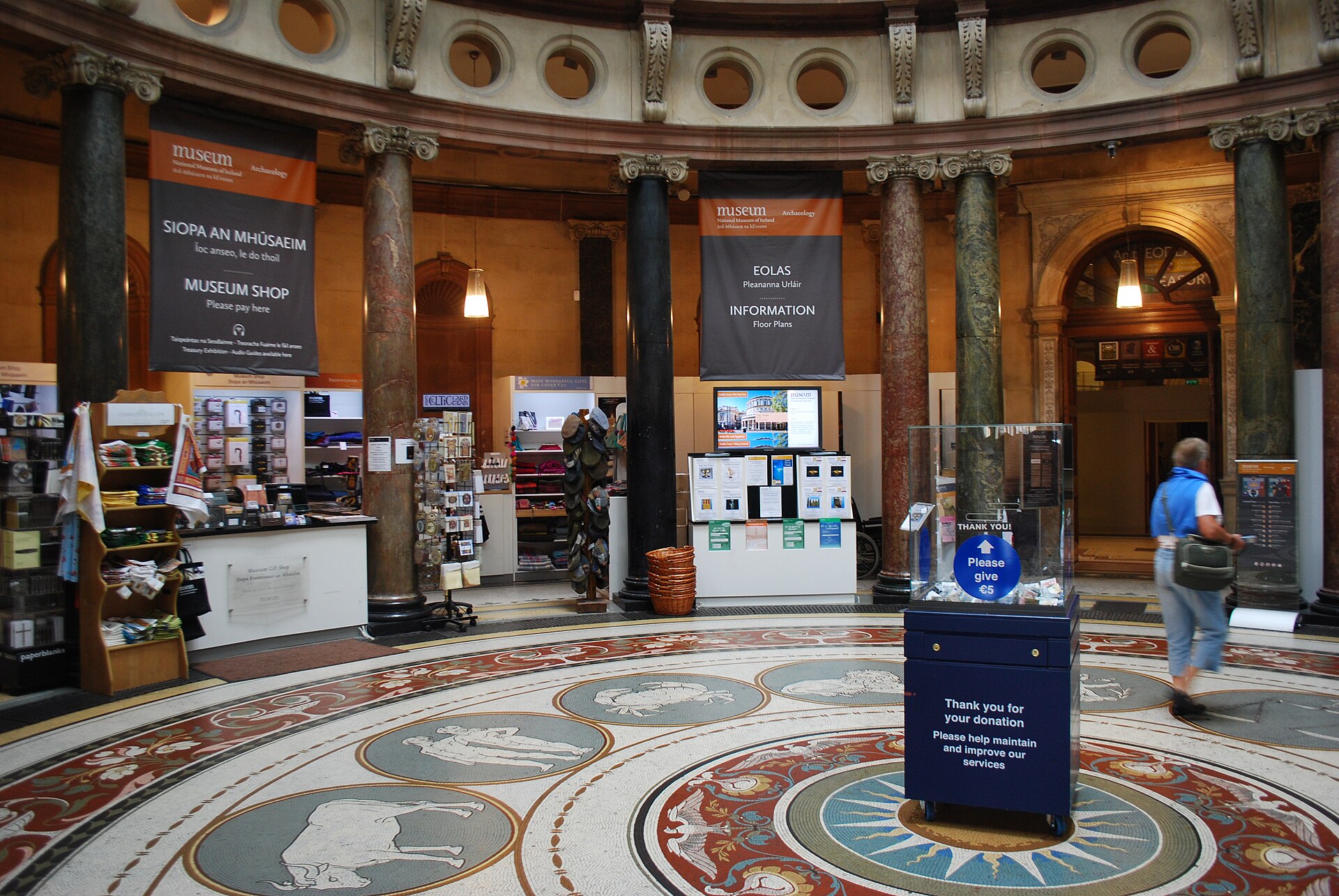
This is the strongest part of a wheelchair accessible Dublin itinerary and it costs nothing. The National Museum’s Dublin sites — Archaeology on Kildare Street and Decorative Arts at Collins Barracks — plus the National Gallery and the National Botanic Gardens at Glasnevin are all free and all have accessible entrances and lifts. The Natural History Museum, the “Dead Zoo” on Merrion Street, has been closed for refurbishment since September 2024 with no reopening date, so leave it off the itinerary for now; the others are straightforward. Our museums guide covers the collections and free things to do has the rest.
Trinity College and the Book of Kells
Accessible, with the caveat that the Old Library redevelopment has changed the visitor route and most of the Long Room’s books have been removed, with no official date for their return. The Long Room stays open until the end of 2027. The cobbled squares at Trinity are the genuine difficulty — the front square in particular is rough going in a manual chair. Enter from Nassau Street rather than Front Gate if you can. Read the Trinity guide before buying, because what is on display now is not the postcard.
Closed until 2027
Dublin Castle and the Chester Beatty are both closed to visitors to the end of 2026 while Ireland holds the presidency of the Council of the EU and the castle serves as the main state venue. Both are expected to reopen in January 2027. Do not build either into a 2026 itinerary; see our Dublin Castle guide for the current position.
The Pavements, and Where They Get Bad
The single most useful thing we can tell you about wheelchair accessible Dublin is which surfaces to avoid, because the map does not show them.
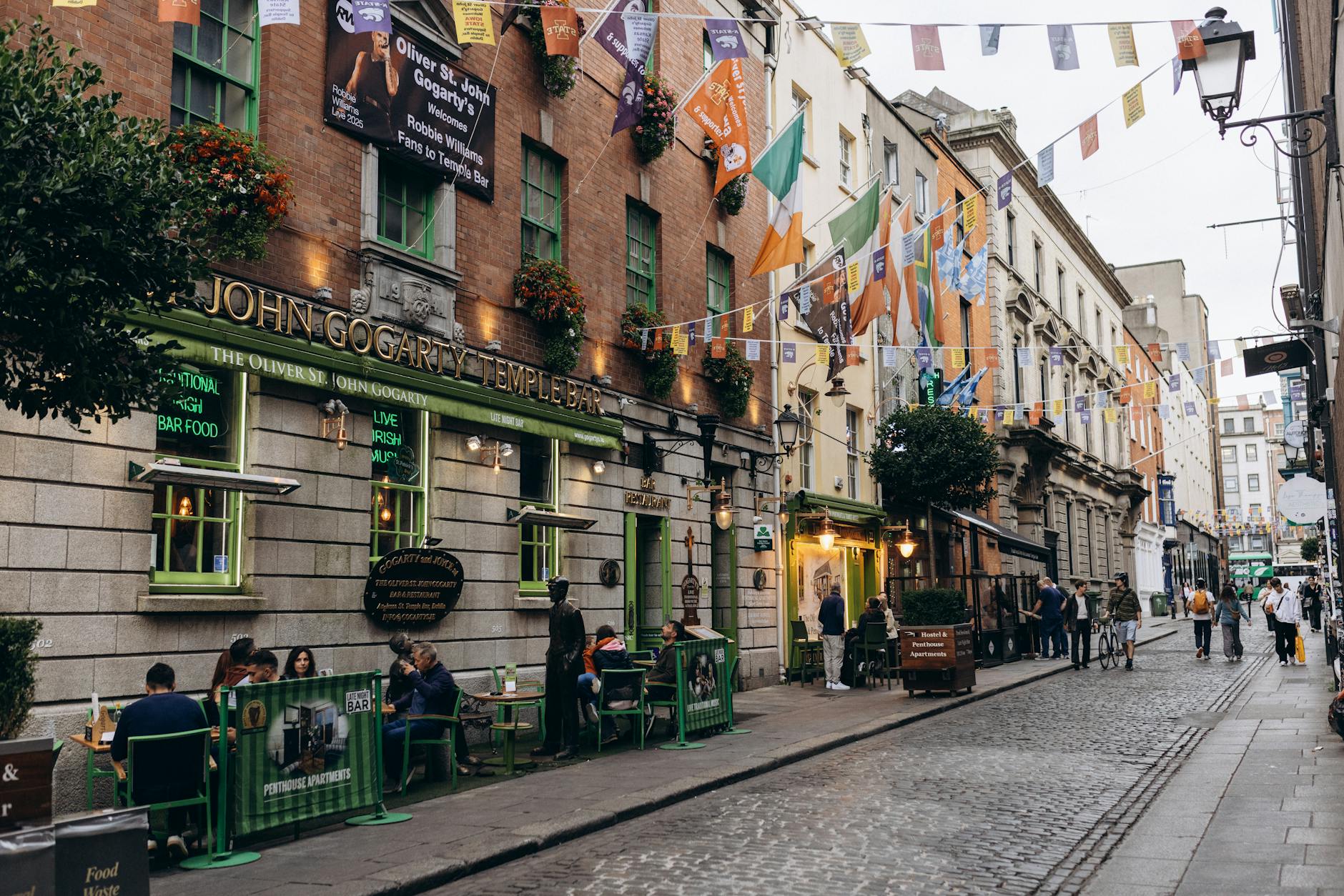
- Temple Bar — the worst in the city for a manual chair. The cobbles are large, uneven and set with wide joints, and the lanes are narrow and crowded at night. It is passable, and it is unpleasant. Our Temple Bar guide is candid about whether it is worth it at all.
- Parts of the Liberties — historic setts on some streets, though the main routes to the Guinness Storehouse are fine. See the Liberties guide.
- Georgian pavements — around Merrion Square and Fitzwilliam Square the flags are old, and coal-hole covers and tree roots make for an uneven ride. Beautiful, bumpy.
- Grafton Street and Henry Street — both pedestrianised, both smooth, both excellent. These are the easy shopping streets.
- The quays and the Docklands — modern, wide, level. The boardwalk along the Liffey and the whole Docklands area are the best surfaces in the city.
- Dropped kerbs — generally present at junctions in the core, patchier in the older residential streets. Parked cars across them are a recurring nuisance.
Weather matters more here than elsewhere: wet cobbles are slick, and Dublin has around 135 days a year with rain. Our weather guide has the numbers, and a hooded waterproof beats an umbrella when your hands are on the rims.
Where to Stay
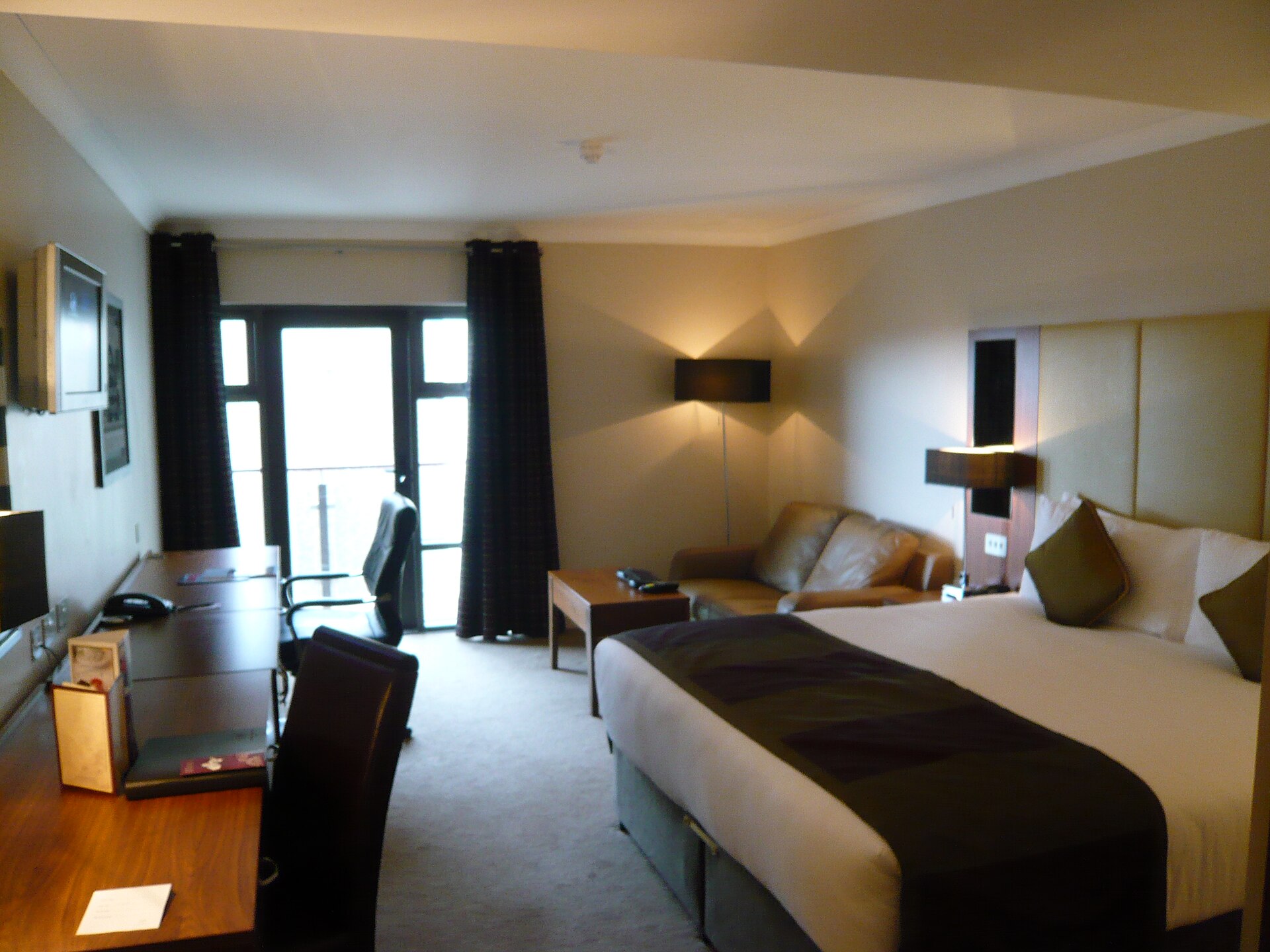
Accessible rooms in Dublin exist in reasonable variety and small numbers. Several hotels list accessible rooms on their own sites, so check each hotel’s accessibility page and ask what type of shower the room has before you book. The pattern across the city is that accessible rooms are few, not a floor of them — the supply is the weakest link in wheelchair accessible Dublin.
Three rules that will save you a bad trip:
- Book direct and confirm the specification in writing. “Accessible room” means different things in different hotels. Ask specifically about roll-in versus step-over shower, door widths, bed height and whether the bathroom door opens outwards.
- Book early. Eight weeks is normal for a city-centre accessible room, and longer over St Patrick’s week, Pride weekend and Six Nations Saturdays.
- Check the location, not just the room. A perfect room up a cobbled lane is worse than a good room on a flat street. Aim for the south city centre around Dawson and Kildare Streets, the Docklands, or the streets immediately off O’Connell Street.
Our city-centre hotels guide, where to stay and best area to stay guides cover the neighbourhoods; airport hotels are worth considering for an early flight, since several have accessible rooms and step-free shuttle links.
Arriving: The Airport and the Transfer
A wheelchair accessible Dublin trip starts well: the airport has an assistance service for passengers with reduced mobility — request it through your airline before you travel, and it covers you from arrival at the terminal to your seat, and in reverse on the way back. Terminal 1 and Terminal 2 are a short covered walk apart at ground level.
For the transfer in, Dublin Bus routes 16 and 41 from the airport are low-floor with ramps like the rest of the fleet, and a pre-booked accessible taxi is the simpler option if you are arriving with luggage and a companion. Our airport-to-city guide compares the options on time and cost, and the Dublin Airport guide covers terminals, lounges and preclearance.
Eating and Drinking
This is where wheelchair accessible Dublin gets frustrating, and it is worth being blunt. A large share of the city’s most-loved pubs are in eighteenth- and nineteenth-century buildings with a step at the door, a narrow bar and toilets down a flight of stairs. Some of the most famous names in the city are effectively closed to wheelchair users, and no amount of goodwill from the staff changes the architecture.
What works instead:
- Newer and larger venues — hotel bars, the Docklands restaurants, the bigger modern pubs and anything in a converted warehouse. Level entry, accessible toilets, room between tables.
- Ring ahead. Every time. Ask two questions: is the entrance step-free, and is there an accessible toilet on the same level as the tables. The second question catches most of the problems.
- Lunch rather than dinner in the busy quarters — the same room is far easier to move through at one o’clock than at eight.
- Book a table and say what you need at the point of booking, not on arrival. Dublin staff are almost universally helpful about this and almost never able to fix it at the door.
Our restaurant guide, brunch guide and traditional pubs guide will tell you which places are worth the phone call.
Parks, Coast and Getting Out of the City
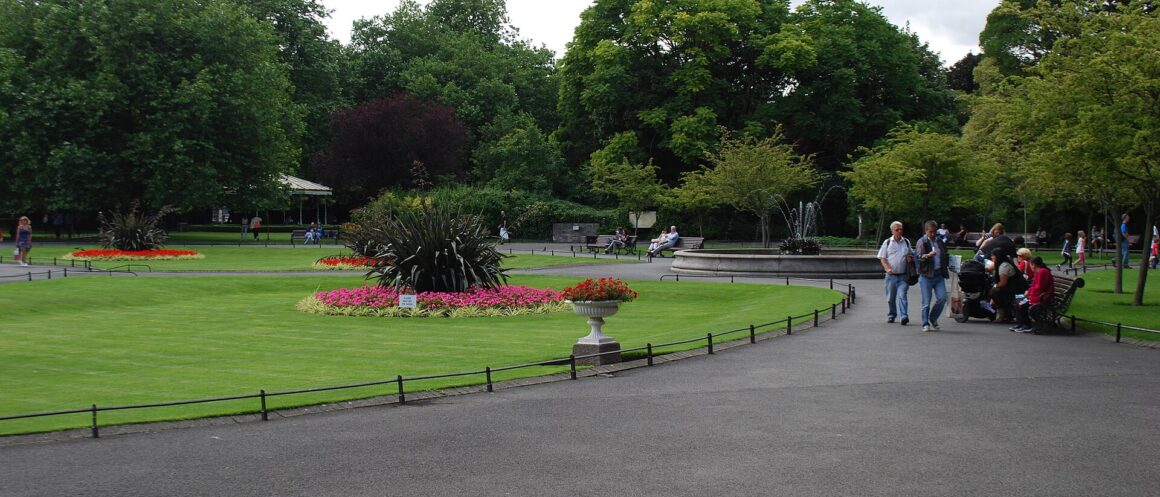
The outdoor half of Dublin is the easy half. Phoenix Park — one of Europe’s largest enclosed city parks, with a fallow deer herd that has been there since the 1660s — has a wide network of tarmac paths and is largely level, with accessible parking near the visitor centre. St Stephen’s Green and the National Botanic Gardens are both level and both free. The Liffey boardwalk and the Grand Canal towpath at Portobello are smooth, flat and pleasant.
Out of the city, the DART opens up the coast: Howth harbour front is level and excellent, though the cliff walk is not; Malahide has accessible grounds and a castle with lift access to part of the building; and Dún Laoghaire‘s two piers are among the best flat walks in the greater Dublin area. Check the station at each end before you set out.
For longer trips, coach day tours vary enormously and access must be arranged in advance rather than assumed — a private vehicle is frequently the workable answer. See our comparison of the day tour operators and day trips from Dublin.
Money: Carer Tickets, Cards and Discounts
Two things reduce the cost of a wheelchair accessible Dublin trip more than any discount card.
The first is that the national museums and the National Gallery are free, permanently, for everybody. That is three or four excellent half-days at no cost, all of them accessible. The second is that carer and companion tickets are widely complimentary at paid attractions — the Guinness Storehouse gives one with a paid adult self-guided ticket. Policies differ by venue and are applied at the till, so ask rather than assume, and carry whatever documentation you normally use at home.
On discount cards: the Dublin Pass and the other city cards only pay off if you are doing a lot of paid attractions in a short window. If free museums are doing most of the work in your itinerary, they will not. Our trip cost guide sets out what a Dublin week actually runs to, and cheap transport covers Leap Card capping, which applies to everyone.
Gotchas
- One wheelchair space per bus. If it is taken, you wait. On a suburban route that can be twenty minutes — build slack into any timed booking you make.
- Sandymount and Sydney Parade DART stations have stairs only. Plan around them; Lansdowne Road and Booterstown are the practical alternatives on that stretch.
- You cannot hail a wheelchair-accessible taxi. Pre-book, specify the vehicle, and allow extra time at night and on event days.
- Dublin Castle and the Chester Beatty are shut to visitors until the end of 2026. Both are expected back in January 2027.
- Temple Bar’s cobbles are worse than they look in photographs, and considerably worse wet. Route around them rather than through them where you can.
- Georgian pub toilets are usually downstairs. Ring ahead and ask specifically about an accessible toilet on the same level as the tables.
- Accessible hotel rooms are few per property. Book eight weeks out, book direct, and get the specification confirmed in writing.
- Kilmainham Gaol sells out weeks ahead, every month of the year, and access requirements need flagging in the booking.
- Airport assistance has to be requested through your airline before you travel. It is free, but it is not automatic.
- Cliff walks are not accessible. Howth harbour is; the cliff loop above it is not, and neither is Killiney Hill. The piers at Dún Laoghaire are the flat alternative.
Wheelchair Accessible Dublin FAQ
Is Dublin wheelchair friendly?
Reasonably, yes. The city centre is flat and compact, the whole bus fleet is low-floor with ramps, every Luas tram and stop is accessible, and the major museums and attractions have lifts and accessible toilets — with most of the national museums free on top. The weaknesses are historic ones: cobbled streets in Temple Bar and parts of the Liberties, Georgian buildings with a step at the door and basement toilets, two DART stations with stairs only, and a small supply of accessible hotel rooms. It works well with advance planning and is frustrating without it.
Are Dublin buses and the DART accessible?
Every Dublin Bus and Go-Ahead Ireland vehicle is low-floor with a driver-deployed ramp, but there is only one wheelchair space per bus and you must board and alight by the front doors, where the ramp is. Most DART stations are step-free and staff deploy a ramp at gated stations to bridge the platform gap; Sandymount and Sydney Parade are the notable exceptions, with stairs only. Irish Rail asks that you contact them in advance if you need boarding assistance, and it is worth doing even at staffed stations.
Which Dublin attractions are step-free?
The Guinness Storehouse has lifts or ramps to every floor, free loan wheelchairs (subject to availability) at the Information Desk and a complimentary carer ticket. EPIC The Irish Emigration Museum has ramps and lifts throughout. Kilmainham Gaol offers accessible tours and toilets. The National Museum’s Dublin sites, the National Gallery and the Botanic Gardens are all free and all accessible. Dublin Castle and the Chester Beatty are closed to visitors until the end of 2026.
Is the Luas wheelchair accessible?
Yes, entirely — and it is the easiest part of the network to use. All trams and all stops are accessible with level boarding straight from the platform, so no ramp and no staff assistance are needed. Each tram has two designated wheelchair areas, reached through the four central sets of double doors. Park-and-ride stops have accessible parking bays. If your itinerary can be built around the Green and Red lines, it will be the smoothest way to move around the city.
How do I book a wheelchair-accessible taxi in Dublin?
Book in advance rather than trying to hail one — accessible vehicles are a minority of the Dublin fleet and you will rarely find one waiting on a rank. Book through a taxi app or a dispatch operator, state explicitly that you need a wheelchair-accessible vehicle, and confirm the vehicle type when the booking is accepted. Allow more lead time than for a standard taxi, especially late at night and on match days, festival weekends and around St Patrick’s Day.
Are there accessible hotels in Dublin with roll-in showers?
It depends on the hotel, so check each one’s accessibility page. The constraint is quantity rather than quality: accessible rooms are few in any hotel, so they can sell out early. Book direct, book as far ahead as you can, and confirm in writing whether the shower is roll-in or step-over, along with door widths and bed height.
Do carers get free entry to Dublin attractions?
Very often, though it is decided venue by venue rather than by a single national rule. The Guinness Storehouse includes a complimentary carer ticket with a paid adult self-guided ticket. Other paid attractions set their own policy. The national museums and the National Gallery are free for everyone anyway. Ask at the desk and carry whatever documentation you normally use — the policy is applied at the till, not online.
Which parts of Dublin should wheelchair users avoid?
Temple Bar is the main one — large, uneven cobbles set with wide joints, narrow lanes and heavy evening crowds, and considerably worse in the wet. Some streets in the Liberties have historic setts, and the Georgian pavements around Merrion and Fitzwilliam Squares are attractive but uneven. Cliff walks are out. By contrast, Grafton Street, Henry Street, the Liffey boardwalk, the Docklands and Phoenix Park’s path network are all smooth and level.
Keep Planning
Wheelchair accessible Dublin is one layer on top of an ordinary trip, so read this alongside the practical guides that cover everything else about the city.
- Getting Around Dublin — fares, zones and how the network fits together.
- The Dublin Leap Card — the cheapest way to pay for any of it.
- DART and Luas Guide — lines, stations and the coastal run.
- Dublin Taxis — apps, ranks and fares.
- Dublin Museums — most of them free, most of them accessible.
- Dublin City Centre Hotels — where to base yourself.
- Dublin for Seniors — the low-walking, slow-paced companion to this guide.
- Is Dublin Worth Visiting? — the honest overall verdict.
- Dublin Airport to the City Centre — every transfer option compared.
- Things to Know Before You Visit — the whole practical layer.
- Day Trips from Dublin — what is reachable, and how.
Keep Reading
Photo Credits
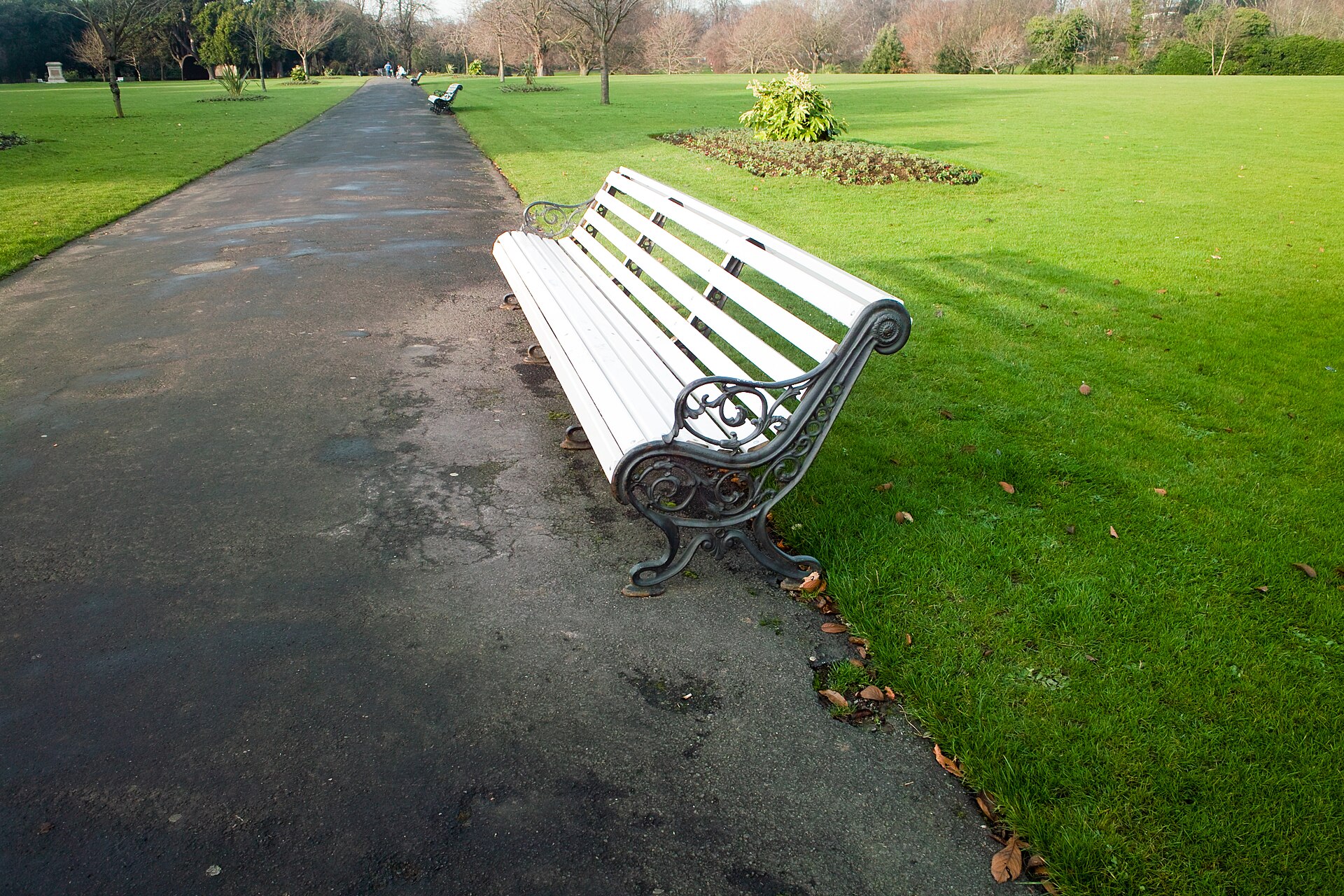
Garden paths in St Stephen’s Green: 20130810 dublin144 by Jean Housen, CC BY-SA 3.0, via Wikimedia Commons.
A room at the Royal Marine Hotel, Dun Laoghaire: Royal Marine Hotel room (3281533240) by Andy Mitchell, CC BY-SA 2.0, via Wikimedia Commons.
Luas at Broombridge: LUAS tram No. 5032 at Broombridge – geograph.org.uk – 5947298 by Gareth James, CC BY-SA 2.0, via Wikimedia Commons.
A Phoenix Park path: DUBLIN (Phoenix Park) – On The Last Day Of 2008 (3153188089) by William Murphy, CC BY-SA 2.0, via Wikimedia Commons.
The Archaeology museum rotunda: 20130810 dublin186 by Jean Housen, CC BY-SA 3.0, via Wikimedia Commons.
Lean na Comharthaí — Keep following the signs