Dublin vs Edinburgh: Which City Should You Visit?
Baile Átha Cliath i gcoinne Dhún Éideann

Ar an gComhartha Seo — On this sign
- Quick Answer: Which Should You Visit?
- The Honest Difference
- Cost: Edinburgh Wins, but the Sources Disagree on How Much
- Attractions Compared
- Walkability and Terrain
- Weather, and the Honest Version
- Festivals: the Biggest Single Difference
- Pubs, Food and Nights Out
- Day Trips
- Can You Do Both in One Trip?
- Which Suits You?
- Gotchas
- FAQ: Dublin vs Edinburgh
- Keep Planning
- Keep Reading
These two get compared constantly and for good reason: two small northern European capitals, both walkable, both wet, both built on literature and drink and a complicated relationship with a larger neighbour, both about an hour and a quarter apart by plane. People who love one usually love the other. But they are not interchangeable, and the case for each is clearer than the internet generally makes it.
Here is the short version before the detail. Edinburgh is the more beautiful city — it is not close, and anyone who tells you otherwise has not stood on Princes Street looking up at the castle on its rock. Dublin is the better city to be in: warmer, looser, funnier, with more free museums and a pub culture that Edinburgh does well and Dublin does natively. This Dublin vs Edinburgh comparison covers cost, attractions, walkability, weather, festivals and how to combine them, written from Dublin and trying hard to be fair to both.
Quick Answer: Which Should You Visit?
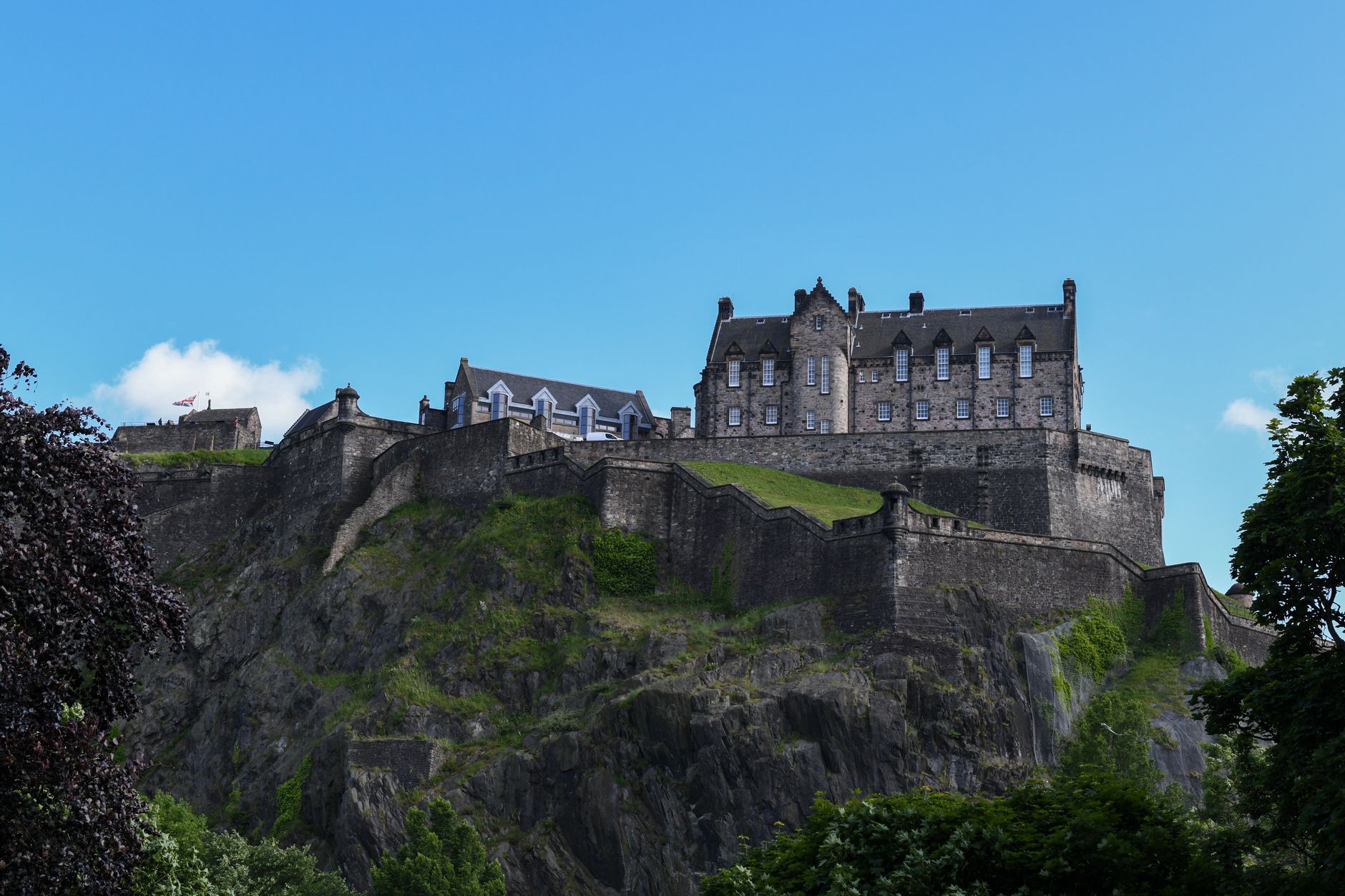
Choose Edinburgh if you want the more dramatic city — a castle on a volcanic rock, a medieval Old Town, a Georgian New Town, and a proper hill you can climb inside the city boundary. Choose Dublin if you want the better atmosphere, the deeper pub culture, more free national museums and easier access to coast and mountains. Edinburgh photographs better; Dublin is more fun to spend an evening in.
On money the honest answer is that the sources disagree on the size of the gap. What they agree on is the direction and the cause: Dublin’s accommodation and public transport cost noticeably more. If price is the deciding factor in your Dublin vs Edinburgh choice, Edinburgh wins, but not by the landslide that Belfast manages against Dublin.
| Dublin | Edinburgh | |
|---|---|---|
| Country | Republic of Ireland | Scotland, United Kingdom |
| Currency | Euro | Pound sterling |
| Cost | Dearer | Cheaper, especially housing |
| Signature attraction | Guinness Storehouse, from about €24 | Edinburgh Castle, £23.50 online |
| Free museums | National Museum, National Gallery, Botanic Gardens | Many, including several national museums and galleries |
| Terrain | Flat | Hilly, and steeply so |
| Best free view | The Dublin Mountains, by bus | Arthur’s Seat, on foot from the centre |
| Peak season | March, for St Patrick’s | August, for the Fringe |
| Between them | About 1h 15m by air, several flights daily | |
The Honest Difference
Every Dublin vs Edinburgh comparison eventually arrives at the same distinction, so here it is up front.
Edinburgh was built to be looked at. The Old Town runs down a glacial ridge from the castle to Holyrood in a single dramatic sweep, the New Town is one of the most complete Georgian plans in Europe, and both together are a UNESCO World Heritage Site. You round a corner and there is a view. It is a city that rewards a camera and a pair of legs.
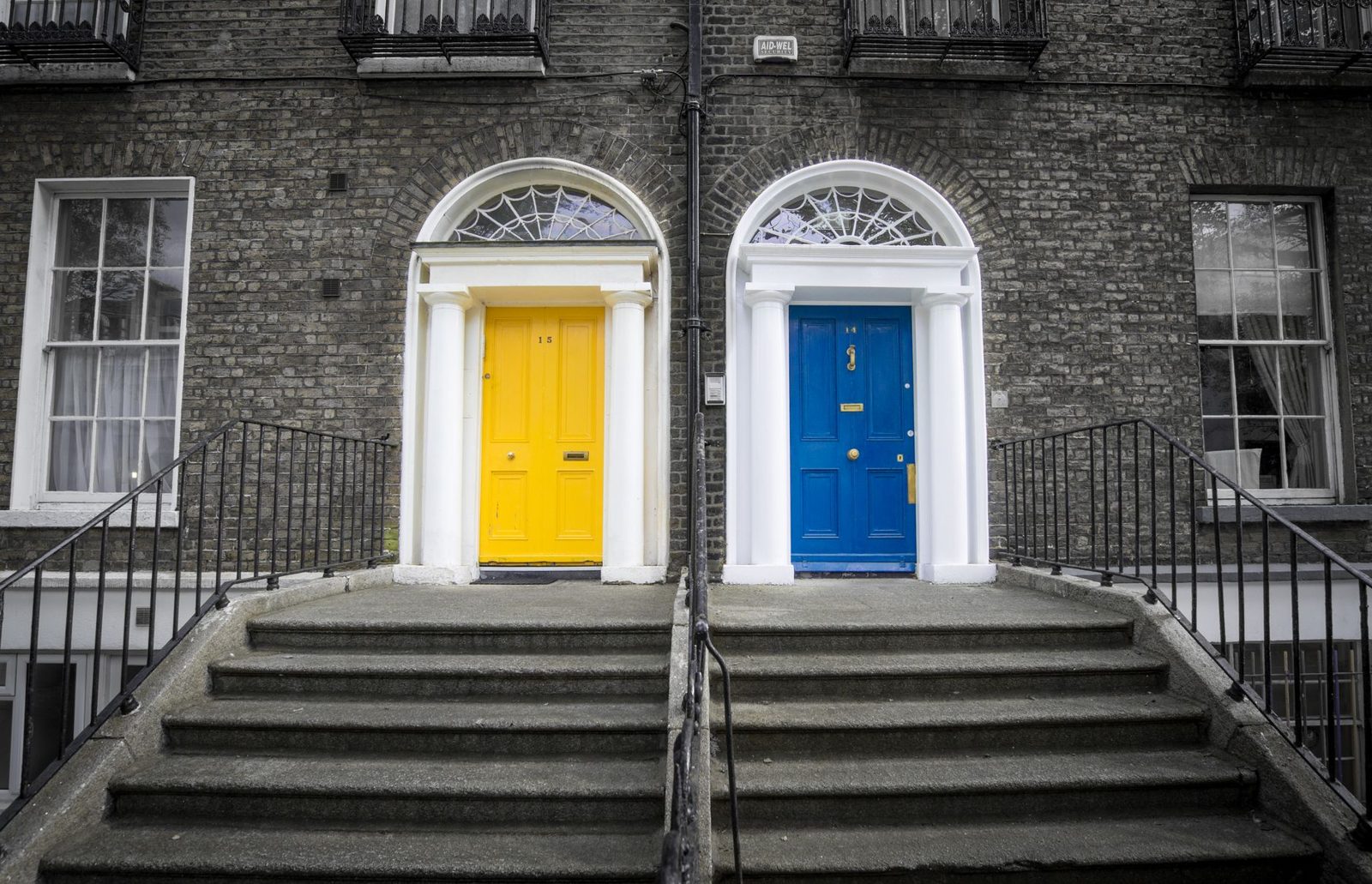
Dublin was built to be lived in and then repeatedly knocked about. Its Georgian squares are as fine as Edinburgh’s but they are interrupted by twentieth-century infill, its medieval quarter survives in fragments rather than as a whole, and the river is not the Water of Leith. What Dublin has instead is a social temperature that Edinburgh, for all its beauty, does not match — strangers talk to you here, the pubs are the living rooms of the city, and the humour is faster and less guarded.
Put crudely: Edinburgh is the better postcard, Dublin is the better night out. Most people who have done both would sign that.
Cost: Edinburgh Wins, but the Sources Disagree on How Much
Money is the part of the Dublin vs Edinburgh question where you should distrust confident numbers.
This is worth being precise about, because most comparison pages pick whichever figure suits them. Cost-of-living indices agree that Dublin is more expensive than Edinburgh, but the size of the gap changes with the source and the basket. Treat any single number with suspicion.
What the sources consistently agree on:
- Housing is the big gap. For a visitor that shows up directly in hotel rates, where Dublin’s chronic shortage of rooms bites hardest.
- Public transport costs more in Dublin — an adult monthly ticket is €140 for Zones 1 and 2, against £74 to £80 for a Lothian Buses Ridacard, depending on how you buy it.
- Attraction prices are broadly comparable. Edinburgh Castle is £23.50 booked online; the Guinness Storehouse starts around €24 and Trinity from €19.
- Eating and drinking are similar, with Dublin a little dearer and Temple Bar in a category of its own for a pint.
So Edinburgh is cheaper, mainly because of beds. See the Dublin trip cost guide for what this side actually adds up to, and the cheapest time to visit for how to close the gap.
Attractions Compared
On paper this is the closest part of the Dublin vs Edinburgh contest, because both cities lean heavily on free national collections.
Edinburgh’s case
- Edinburgh Castle — the single most dominant urban castle in these islands, on Castle Rock above the whole city. Adult £23.50 booked online, child (7–15) £11.50, concession (65 and over, or unemployed) £19. Booking online is about £2.50 cheaper than the gate and guarantees a timeslot.
- The Royal Mile and Holyrood — a continuous medieval street from castle to palace, with four small free museums along it.
- Arthur’s Seat — an extinct volcano, 251 metres, inside the city, free, climbable in roughly an hour, with arguably the best view in either capital at the top. Dublin has nothing remotely equivalent within walking distance of its centre.
- The National Museum of Scotland on Chambers Street — free, open daily 10:00 to 17:00, and genuinely excellent.
- The Scottish National Gallery, Portrait Gallery and Gallery of Modern Art — all free.
Dublin’s case
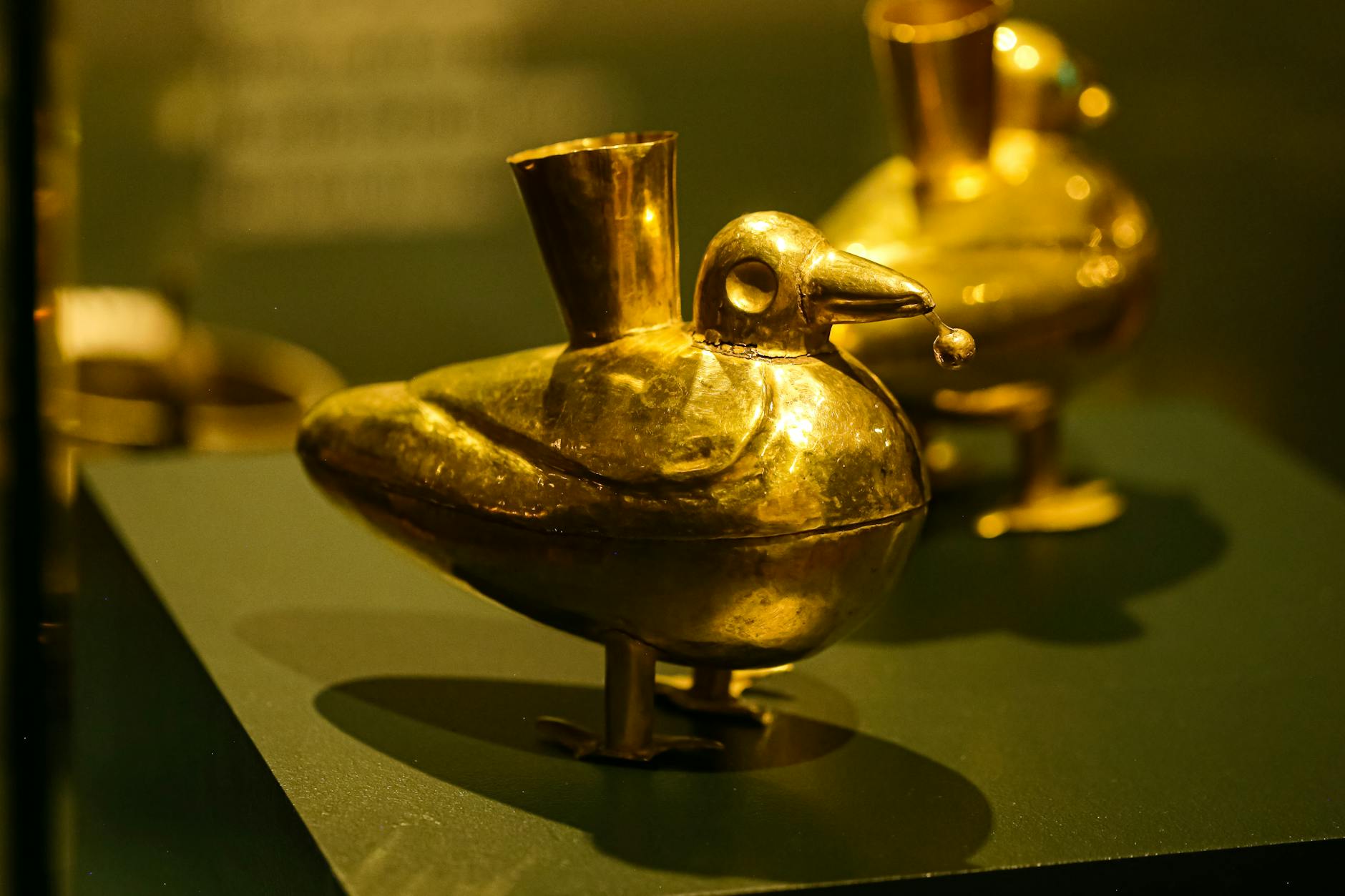
- The free national institutions — the National Museum of Ireland on Kildare Street with the bog bodies, the Tara Brooch and the Bronze Age goldwork; the National Gallery with its Caravaggio; Collins Barracks; the Botanic Gardens. All free, all serious.
- Kilmainham Gaol at €8 — the best-value hour in either city, and the most affecting.
- Trinity College and the Book of Kells from €19 for the Old Library ticket (the full Experience is from €25), with the caveat that most of the Long Room’s books have been removed for the Old Library redevelopment and the Long Room itself stays open only until the end of 2027.
- The Guinness Storehouse from about €24, and the distilleries around it.
- Literary Dublin — Joyce, Beckett, Wilde, Yeats, Behan, four Nobel laureates and a walkable map of them. See the literary heritage guide.
- The pubs. Not an attraction on a list, and the actual reason most people come.
One awkward fact for the comparison in 2026: Dublin Castle is closed to visitors until January 2027 for Ireland’s EU Council presidency, and the Chester Beatty inside it is closed too. Edinburgh’s castle is its number one attraction; Dublin’s is behind a hoarding. See the castle guide and the Chester Beatty guide.
Walkability and Terrain
A genuinely underrated factor in the Dublin vs Edinburgh decision, and one that depends more on your knees than your interests.
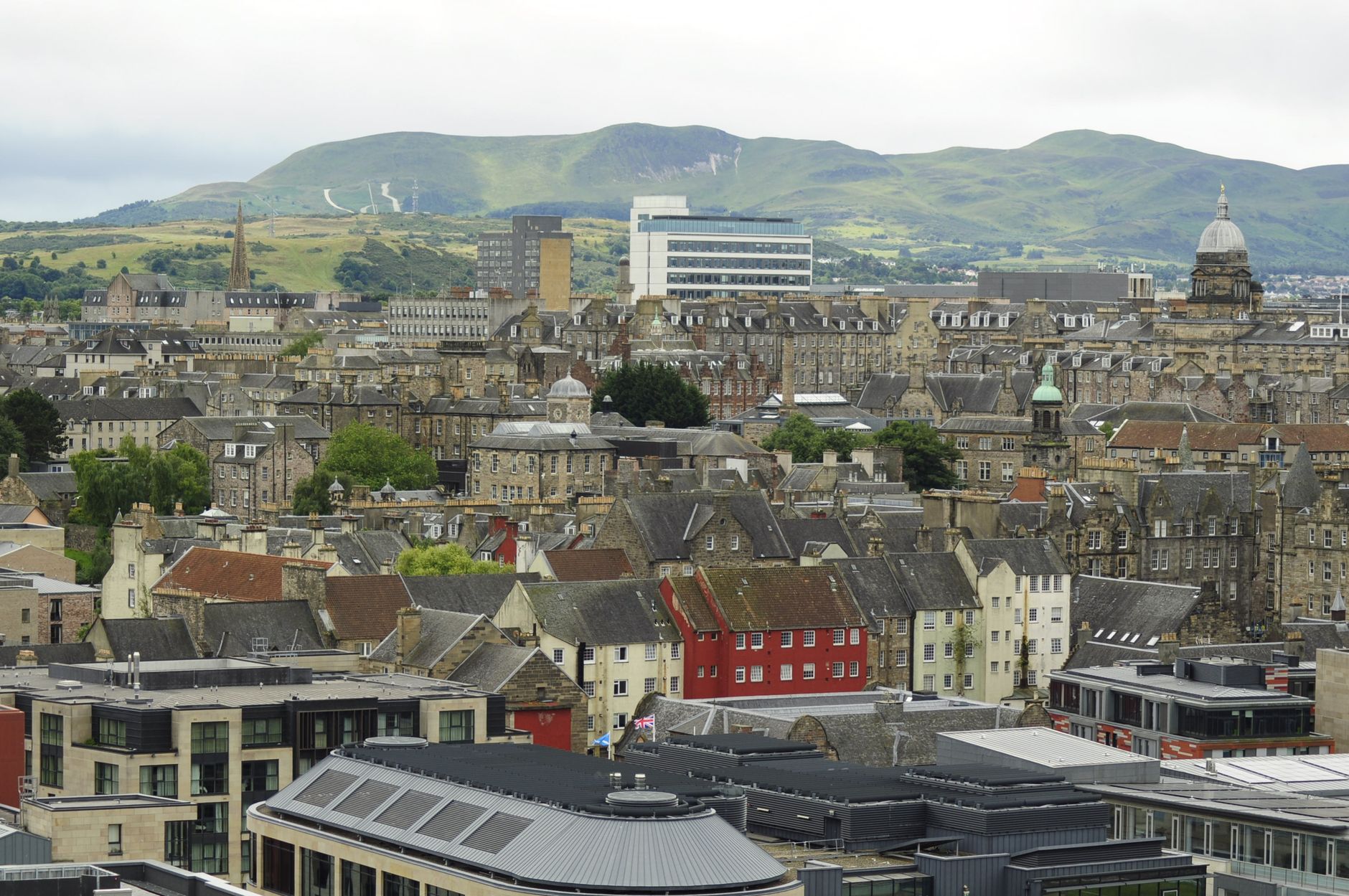
Edinburgh is smaller and more concentrated — you can walk the Old Town, the New Town and Holyrood comfortably in a day, and almost everything a visitor wants is inside a two-kilometre box. But it is steep. The Old Town is built on a ridge, the connections between levels are closes and stairs, and Arthur’s Seat is a genuine hill climb. Anyone with mobility difficulties will find Edinburgh hard work.
Dublin is flat, which makes it easier walking, but its sights are more spread out — Kilmainham to Trinity is a serious walk, and Croke Park, the Guinness Storehouse and the Georgian squares sit at three different corners. You will use buses and the Luas more here than you would in Edinburgh. On balance Edinburgh is more walkable if your knees are good and Dublin is more walkable if they are not. See walking in Dublin.
Weather, and the Honest Version
Both are wet, both are grey a lot of the time, and neither is as cold as visitors expect. Dublin sits in the Wicklow rain shadow and gets about 770 mm of rain a year across roughly 137 rain days — less than Galway and, notably, less than a lot of people assume. Edinburgh is drier still on paper but colder, windier and further north, which means shorter winter days and a harder east-coast wind off the North Sea.
The practical difference is daylight. Edinburgh is about three degrees of latitude north of Dublin, so its winter days are noticeably shorter and its summer evenings noticeably longer. In late June Edinburgh stays light past eleven; in late December it is dark by half past three. Dublin’s swing is less extreme. Our Dublin weather guide has the month-by-month figures for this side.
Festivals: the Biggest Single Difference
If you get one thing wrong in a Dublin vs Edinburgh trip plan, it will probably be the month.
Edinburgh in August is not the same city. The Fringe is the largest performing arts festival in the world and it, the International Festival and the Tattoo run simultaneously, filling every room in the city and putting several thousand shows into every available space. It is extraordinary and it sends accommodation prices well above the rest of the year. If you want the Fringe, book many months ahead; if you do not, avoid August entirely.
Dublin’s equivalent spike is St Patrick’s week in March, which is shorter, smaller and more concentrated — see the St Patrick’s Day guide. Dublin also has a genuinely good autumn run: the Fringe, Theatre Festival, Open House and Bram Stoker Festival between September and October, none of which distorts prices the way August does in Edinburgh.
Hogmanay in Edinburgh and New Year in Dublin are both substantial; Edinburgh’s is the bigger event. See New Year’s Eve in Dublin.
Pubs, Food and Nights Out
This is where Dublin’s case is strongest. Edinburgh has excellent pubs — the Victorian interiors around the Old Town are as good as anything in Dublin, and Scotland’s whisky bars are better stocked than Ireland’s whiskey bars. But Dublin’s pub culture is deeper, more social and more central to how the city works, and the trad sessions are the real thing rather than a scheduled attraction. See the traditional pubs guide, live music and the oldest pubs.
On food, the two are closely matched — both have a good casual middle and a handful of serious restaurants, and both are more expensive than they were five years ago. Dublin has more range; Edinburgh has better value. See the restaurant guide.

Day Trips
Both cities are good bases and they offer very different things.
From Edinburgh: the Highlands, Loch Lomond, Stirling, Glasgow in under an hour, St Andrews, and the Fife coast. The Scottish landscape starts closer and gets bigger faster than the Irish one.
From Dublin: Glendalough and the Wicklow Mountains, Howth on the DART, Newgrange and the Boyne Valley, and Belfast on the Enterprise. More archaeology, gentler scenery, and a second country two hours away.
Edinburgh has the better landscape day trips. Dublin has the better historical ones, and it has the coast on a suburban train, which is a real advantage — see the DART guide.

Can You Do Both in One Trip?
Yes, easily. Flights between Dublin and Edinburgh take about an hour and a quarter and run several times a day on Aer Lingus and Ryanair, and fares booked in advance are usually modest. There is no direct ferry; the sea route means Dublin to Belfast, Belfast or Larne to Cairnryan, and then a long drive across southern Scotland, which is only worth it if you are bringing a car.
A good shape for a week: three nights in Dublin, fly to Edinburgh, three nights there, home from Edinburgh. Both airports are well connected, neither city needs a car, and you get two capitals and two countries without a long journey in the middle. If you want to add a third, Belfast sits neatly between them — see Dublin vs Belfast and the Ireland itinerary.
Which Suits You?
The Dublin vs Edinburgh shortcut, by what you actually want from a city break.
- Photography and architecture — Edinburgh, comfortably.
- Pubs, music and atmosphere — Dublin.
- Tight budget — Edinburgh, mainly on accommodation.
- Free museums — Edinburgh has more of them; Dublin’s are excellent too.
- Walking and hills — Edinburgh, if you like a climb; Dublin if you do not.
- Literary history — Dublin, with four Nobel laureates and a walkable map.
- Landscape day trips — Edinburgh, for the Highlands.
- Ancient history — Dublin, for Newgrange and the Boyne Valley.
- August — Edinburgh if you want the Fringe, Dublin if you want a hotel room.
- A first trip with no strong preference — Dublin, because it is easier to enjoy without planning.
Gotchas
The practical traps in a Dublin vs Edinburgh trip, in rough order of how much they cost.
- Two currencies. Euro in Dublin, sterling in Edinburgh. Neither is accepted in the other.
- Cost comparisons vary wildly between sources. Treat any single figure with suspicion; the reliable part is that Dublin’s beds cost more.
- Edinburgh in August is a different proposition — the Fringe sends accommodation prices up sharply and fills the city. Book months ahead or avoid it.
- Edinburgh Castle is cheaper booked online, by about £2.50, and online booking guarantees a timeslot.
- Dublin Castle is closed to visitors until January 2027 — do not plan a castle comparison this year.
- Edinburgh is steep. The Old Town is stairs and closes; factor that in for mobility or luggage.
- Edinburgh gets darker earlier in winter — it is three degrees further north than Dublin.
- There is no direct ferry between the two. Fly, or go the long way via Belfast and Cairnryan.
- Separate entry rules. Ireland is not in the UK and a UK visa does not admit you to Ireland, or vice versa.
- The Long Room at Trinity is largely empty of books during the Old Library redevelopment, which blunts Dublin’s most photogenic interior. It stays open until the end of 2027.
FAQ: Dublin vs Edinburgh
Is Dublin or Edinburgh cheaper?
Edinburgh, though the margin is disputed. What is consistent is where the gap sits: Dublin’s accommodation and public transport both cost noticeably more. Attraction tickets, food and drink are broadly comparable, with the exception of Temple Bar pints.
Which is more walkable?
Edinburgh is more compact — the Old Town, New Town and Holyrood fit inside a small area and most of the sights are an easy walk apart. But it is genuinely steep, built on a ridge with stairs and closes between levels. Dublin is flat and easier underfoot but more spread out, so you will use buses and the Luas more. Good knees favour Edinburgh; tired ones favour Dublin.
Can you combine Dublin and Edinburgh in one trip?
Yes, and it works well. Flights take about an hour and a quarter with several a day, and three nights in each makes an excellent week — two capitals, two countries, no long journey in the middle and no car needed at either end. There is no direct ferry; the sea alternative runs Dublin to Belfast, across to Cairnryan and then a long drive, which only makes sense with a vehicle.
Which city is more beautiful?
Edinburgh, and it is not particularly close. The castle on its volcanic rock, the medieval Old Town running down the ridge to Holyrood, and the Georgian New Town together make one of the most striking urban landscapes in Europe, and the whole thing is a UNESCO World Heritage Site. Dublin’s Georgian squares are as fine individually but the city as a whole is less composed. Dublin’s advantages are social rather than visual.
Which has better free attractions?
Edinburgh has more — free museums including the National Museum of Scotland, the Scottish National Gallery, the Portrait Gallery and the Gallery of Modern Art. Dublin has fewer but they are excellent: the National Museum on Kildare Street, the National Gallery, the Natural History Museum, Collins Barracks and the Botanic Gardens. Edinburgh also has Arthur’s Seat, a free volcano with the best view in either city.
Which is better for a first-time visitor?
Dublin, marginally, because it is easier to enjoy without planning — the pubs do a lot of the work, the centre is flat and compact, and the free museums are close together. Edinburgh rewards a bit more preparation and a bit more walking, and if you land there in August without a booking you will have a difficult time. If the photographs matter more than the evenings, reverse that.
How do I get from Dublin to Edinburgh?
Fly. It is about an hour and a quarter with several services a day on Aer Lingus and Ryanair, and advance fares are usually modest. Dublin Airport is about 10 km north of the city with no rail link, so allow for the bus or a taxi at this end. There is no direct ferry between Ireland and Scotland from Dublin; the sea route runs via Belfast or Larne to Cairnryan.
Is Edinburgh worth visiting in August?
If you want the Fringe, yes, and there is nothing else like it — the largest performing arts festival in the world, running alongside the International Festival and the Tattoo. If you do not, avoid August altogether: accommodation prices climb, the city is packed, and ordinary sightseeing becomes a scrum. Dublin has no equivalent month-long distortion, though St Patrick’s week in March does the same thing on a smaller scale.
Which has better weather?
Dublin, slightly, and mainly on temperature. Both cities are wet and grey a good deal of the time, but Dublin is milder and less windy, while Edinburgh is further north with a harder east-coast wind and shorter winter days. Dublin gets about 770 mm of rain across roughly 137 rain days a year, which is less than most visitors expect. Neither is a sunshine destination.
Keep Planning
- Is Dublin Worth Visiting? — the parent guide, and the honest case.
- Dublin vs Belfast — the other comparison, and the cheaper one.
- Dublin Trip Cost — what this side actually costs.
- 3 Days in Dublin — the length that pairs well with an Edinburgh leg.
- Dublin Airport Guide — terminals, lounges and getting out.
- Walking in Dublin — the flat city, on foot.
- Free Things to Do in Dublin — the free museums, in detail.
- Dublin Events & Festivals — the calendar, month by month.
Keep Reading
Lean na Comharthaí — Keep following the signs