LGBTQ+ Dublin: Gay Bars, Dublin Pride & the Complete Travel Guide
Baile Átha Cliath Aerach
Ar an gComhartha Seo — On this sign
- Quick Answer: Is Dublin Good for LGBTQ+ Travellers?
- How Ireland Got Here, in Four Dates
- Where Gay Dublin Actually Is
- The Bars of Gay Dublin, One by One
- Dublin Pride: Dates, Route and What It Is Like
- The Rest of the Calendar
- Daytime: Gay Dublin When the Bars Are Shut
- Where to Stay
- Safety and the Honest Caveats
- Practicalities
- Gotchas
- Gay Dublin FAQ
- Keep Planning
- Keep Reading
- Photo Credits
Dublin is a small city that changed its mind in public. In 1993 it was still a criminal offence to be a gay man here; in 2015 the country voted by referendum to let same-sex couples marry, and the count centre at Dublin Castle became a photograph that went round the world. Everything in this guide sits on top of that fact. The scene you will find on a Friday night is not large — five or six venues do most of the work, and you can walk between all of them in twenty minutes — but it is unusually unguarded, and the welcome extends well beyond the handful of bars that fly a flag.
This is a practical guide to gay Dublin for visitors: where the venues actually are, what each one is for, when Pride happens and what the parade route is, what runs the other fifty-one weeks of the year, where to stay, and where the city’s warmth runs out. It is written for someone arriving with a weekend and no local contacts. We have been honest about the things Dublin does badly as well as the things it does beautifully, because a guide that tells you every pub is a paradise is no use at 11pm on a wet Tuesday when half of them are shut.
Quick Answer: Is Dublin Good for LGBTQ+ Travellers?
Yes, and by most measures comfortably so. Ireland decriminalised homosexuality in 1993 and legalised same-sex marriage by popular vote in May 2015 — the first country in the world to do it that way, on a 62% yes. Legal protection is solid, public attitudes in the city are relaxed, and gay Dublin is small enough that the venues form a walkable cluster rather than a scattered scene. Hotel and restaurant staff will not blink at a double bed booked by two men or two women. Nobody is going to ask you to explain yourself.
The caveat is scale, not attitude. Gay Dublin is a handful of venues, not a district — there is no Soho, no Castro, no Schöneberg. Two bars carry most of the weight, one long-running club night moves venue periodically, and outside Pride week the calendar is thin compared with London or Berlin. If you are coming for a huge scene you will find Dublin modest. If you are coming for a city where you can hold hands on Grafton Street without thinking about it, and then have a genuinely good night in a room where the drag queen knows half the audience by name, this is one of the best short-break cities in Europe.
| Question | Short answer |
|---|---|
| Legal position | Decriminalised 1993; marriage equality by referendum 22 May 2015; Gender Recognition Act 2015 |
| Main venues | The George (South Great George’s Street), Pantibar (Capel Street), Street 66 (Parliament Street) |
| Club night | Mother, Saturdays, doors 23:00 — check the venue before you travel, it has moved |
| Community centre | Outhouse, 105 Capel Street — café, queer library, open since 2001 |
| Dublin Pride 2027 | Last Saturday of June (26 June in 2027 if the pattern holds); confirm dates and route on dublinpride.ie |
| Film festival | GAZE, late July into early August, Light House Cinema and the IFI |
| Walking distance, bar to bar | Under fifteen minutes across the whole cluster |
| Best months | June for Pride; September for decent weather and no crowds |
How Ireland Got Here, in Four Dates
You do not need the history to enjoy a night out, but it explains the temperature of the room that gay Dublin now operates in, and it comes up in conversation more than you would expect. Four dates do most of the work.
1993. Homosexuality was decriminalised, after a long campaign led by David Norris — a Trinity College academic and Joyce scholar who took the case to the European Court of Human Rights and later sat in the Seanad. Ireland was late. The law it repealed was Victorian, inherited from Britain, and had already been struck down in Northern Ireland a decade earlier.
2010. Civil partnership arrived: a halfway house that satisfied almost nobody and made the next argument inevitable.
2015. On 22 May, Ireland became the first country to introduce marriage equality by popular vote, 62% to 38%. Every constituency in Dublin voted yes, several of them above 70%. The Gender Recognition Act, allowing legal gender change by self-declaration, passed weeks later. The referendum campaign was extraordinarily personal — people flew home from Australia and Canada to vote, and the #hometovote pictures from the arrivals hall at Dublin Airport are part of the national memory now.
Ongoing. Ireland is not finished. Trans healthcare provision is poor and campaigners say so loudly. Hate-crime legislation had a slow and contested passage. There have been homophobic attacks, including a killing in Sligo in 2022 that shook the whole country. The honest summary is a place with excellent law, warm instincts and real gaps — not a utopia, and nobody here claims otherwise.
Where Gay Dublin Actually Is
There is no gay village. What there is instead is three short streets, a short walk apart in the city centre, with a venue or two on each. Understanding that geography saves you an evening of wandering.
South Great George’s Street
The spine of the southside scene. The George has been here since 1985 and is the anchor; George’s Street Arcade, the red-brick Victorian market next door, is a good daytime landmark and a genuinely pleasant half hour in its own right. The street sits between Dame Street and Aungier Street, five minutes from Temple Bar and five from Grafton Street. It is also one of the better eating streets in the city, which matters when you want dinner before a night out rather than a bag of chips after it.
Capel Street
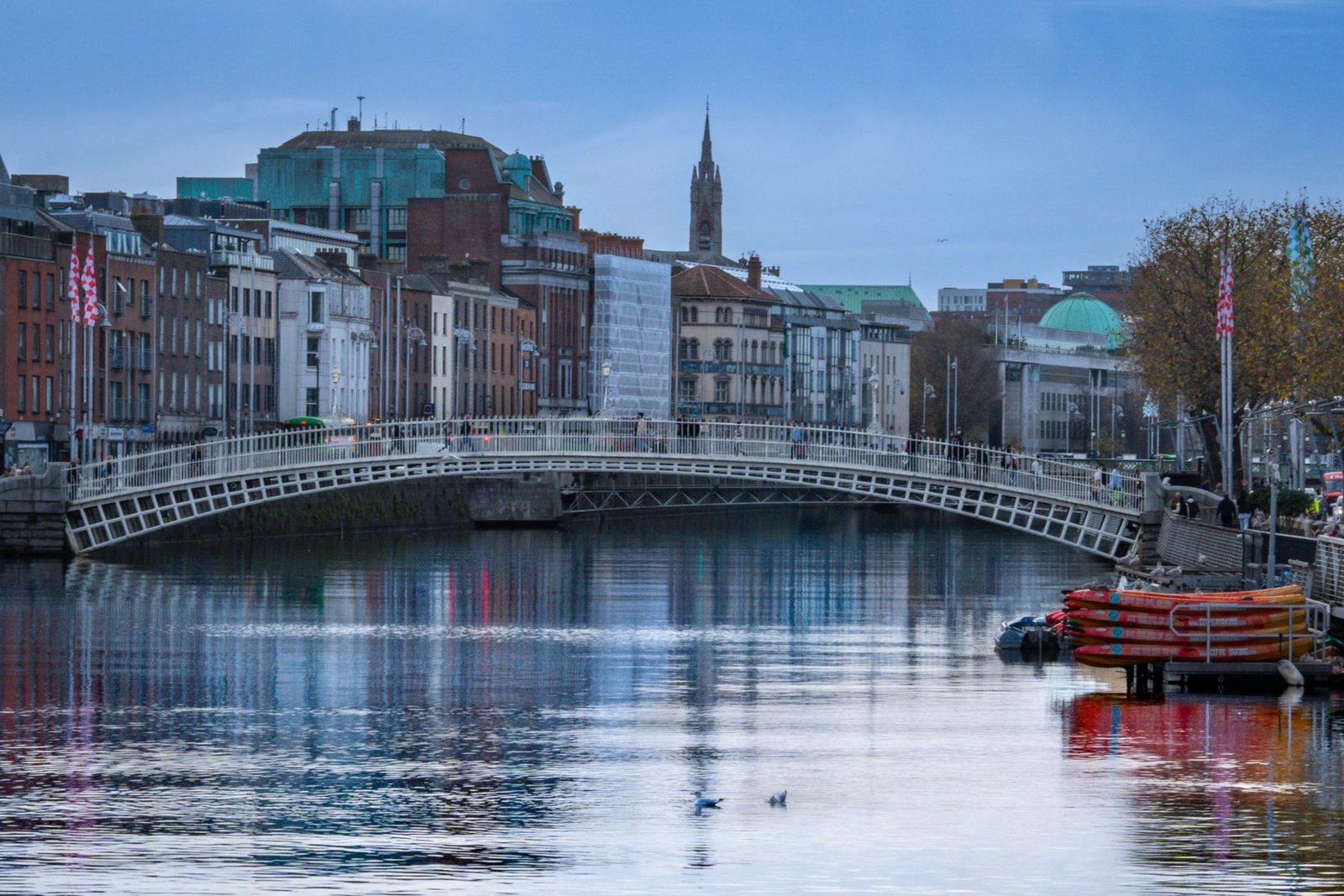
Northside, over the Ha’penny Bridge or Grattan Bridge, and the most interesting street in Dublin right now. Capel Street was pedestrianised in 2022 and has become one of the city’s most mixed drinking streets — Pantibar, Outhouse, a run of independent restaurants, several excellent ordinary pubs. It is scruffier than the southside and better for it, and it has quietly become the centre of gravity for gay Dublin. If you have one evening and you want the actual texture of the scene rather than its tourist version, start here.
Parliament Street
The short run from Grattan Bridge down to Dame Street, on the western edge of Temple Bar’s nightlife. Street 66 is here, along with some of the city’s better cocktail rooms. It is the quiet corner of gay Dublin’s three streets, and the one where you are most likely to be able to hear the person you came out with.
The Bars of Gay Dublin, One by One
The George
One of Ireland’s oldest and biggest gay bars, open since 1985, and still the default answer to “where do we go?” It is really two spaces: a front bar that functions as a normal pub, and a back room that turns into a club. It opens in the afternoon and stays open late; the George’s own site has the current line-up. Late licences move around, and you should never treat a published closing time in Dublin as a promise.
The institution here is Sunday-night bingo with Shirley Temple Bar, which has been running in some form for a quarter of a century and is a great deal funnier and filthier than the word “bingo” prepares you for. It fills early. Come at nine for a table, not at eleven. Midweek the George is quiet and faintly melancholy in a way that is honestly quite pleasant; on Friday and Saturday it is packed, loud, heavily mixed with hen parties, and you will queue.
The hen-party question is the standing complaint about the George, and it is a fair one. A big room with drag shows attracts groups who have come to watch rather than to be part of it. If that is going to bother you, go to Pantibar instead. If it is not, the George on a Saturday is one of the great cheerful messes of Dublin nightlife.
Pantibar
7–8 Capel Street, run by Rory O’Neill — Panti Bliss, the drag queen whose 2014 “Noble Call” speech from the stage of the Abbey Theatre went viral and did as much for the referendum as any politician managed. The bar is small, red, covered in memorabilia, and much more of a community room than the George: locals, regulars, a bartender who will talk to you. Open from mid-afternoon until late.
This is the one to go to first. It is where you will get told what is actually on that week, which is worth more than any listings page — including this one. Panti herself is often, though not reliably, in the building.
Street 66
Parliament Street. Cocktails, decent craft beer, DJs at the weekend, a queer-inclusive rather than exclusively gay crowd, and — crucially — a volume level at which conversation is possible. It draws a slightly older and slightly artier room than the other two. Good for the first drink of the evening, good for the last one, and good if you are travelling alone and would rather read a room before joining it.
Mother
Not a bar but a club night, and the closest thing gay Dublin has to a flagship dancefloor: disco, house and techno, Saturdays, doors from 23:00, and a crowd that treats the dancefloor as the point rather than the backdrop. Mother has changed venue more than once over the years, and different listings sites will confidently give you different addresses. Check motherclub.ie the week you travel rather than trusting a guide — this one included — on where the door is. The Mother Pride Block Party over the Pride weekend is a separate, much larger, ticketed outdoor event, and it sells out.
Everywhere else
Beyond the four above, gay Dublin runs on the mixed-venue model: no flag on the door, no issue inside. The cocktail bars around South William Street, the rooftop bars, most of the nightclubs and essentially all of the traditional pubs are fine. This is a city where the question mostly does not arise. That is the real headline, and it is a better one than a long list of dedicated venues would be.

Dublin Pride: Dates, Route and What It Is Like
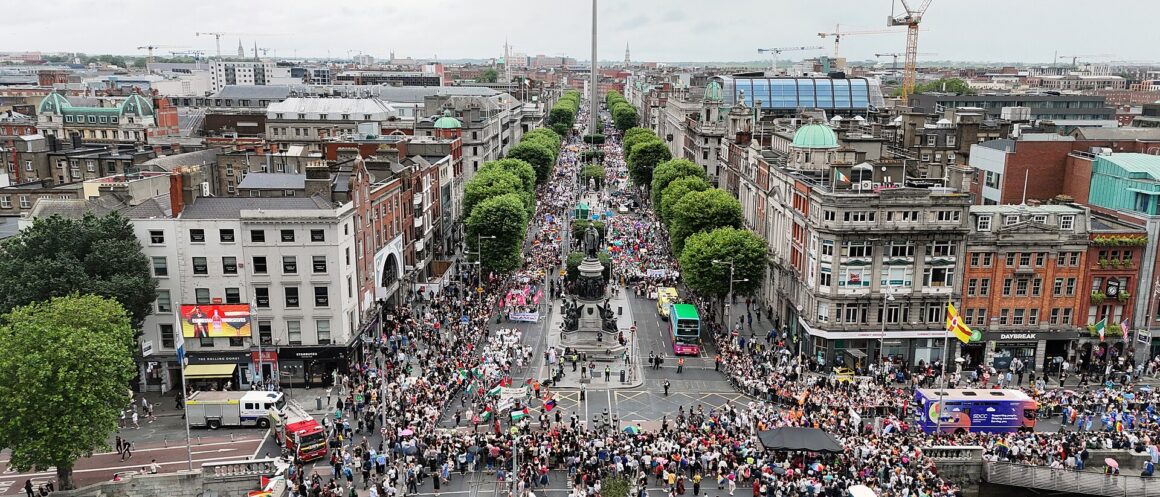
Dublin Pride lands on the last Saturday of June, with a festival wrapped around it. If the pattern holds, that makes Saturday 26 June 2027 parade day, though the 2027 dates and times haven’t been announced yet — confirm them on dublinpride.ie. The 2026 parade marched from O’Connell Street across the river to Merrion Square, where the Pride Village — stages, community zones, stalls — takes over the Georgian square. The village is alcohol-free, with plenty of bars close by.
It is a big parade for a small city: tens of thousands walking, and a much larger number watching from the footpaths along O’Connell Street, along O’Connell Street and the quays towards Merrion Square. The tone is closer to a street party than a protest, though the political blocs are there and get the loudest cheers. It is family-heavy in a way that surprises visitors from larger cities, the parade itself is free, and it is the one weekend of the year when gay Dublin is impossible to miss.
| What | Detail |
|---|---|
| Festival dates | Around the last Saturday of June; the 2027 dates haven’t been announced yet |
| Parade | Last Saturday of June (26 June in 2027 if the pattern holds); times not yet announced |
| Route | O’Connell Street → Eden Quay → Talbot Memorial Bridge → Lombard Street → Westland Row → Merrion Square (2026 route; 2027 not yet announced) |
| Pride Village | Merrion Square, afternoon into the evening |
| Cost | Parade and village free; block parties and club nights ticketed |
| Best viewing | O’Connell Street at the start, or Talbot Memorial Bridge and Westland Row nearer the finish (2026 route; the 2027 route hasn’t been announced yet) |
| Transport | City-centre bus routes divert and the Luas is disrupted — plan to walk |
| Hotels | Book by February; Pride weekend prices sit near New Year’s Eve levels |
Two pieces of advice from people who have done it. First, hotel prices for the last weekend of June are brutal and start climbing in March — read what a Dublin trip actually costs before you commit to dates. Second, the parade takes far longer to pass than you expect, and if you are marching in it you should use a toilet before you assemble, because there is nothing on the route.
The Rest of the Calendar
Pride is not the only thing on. The gay Dublin year has a decent shape to it once you know where to look, and most of it goes unadvertised outside the city.
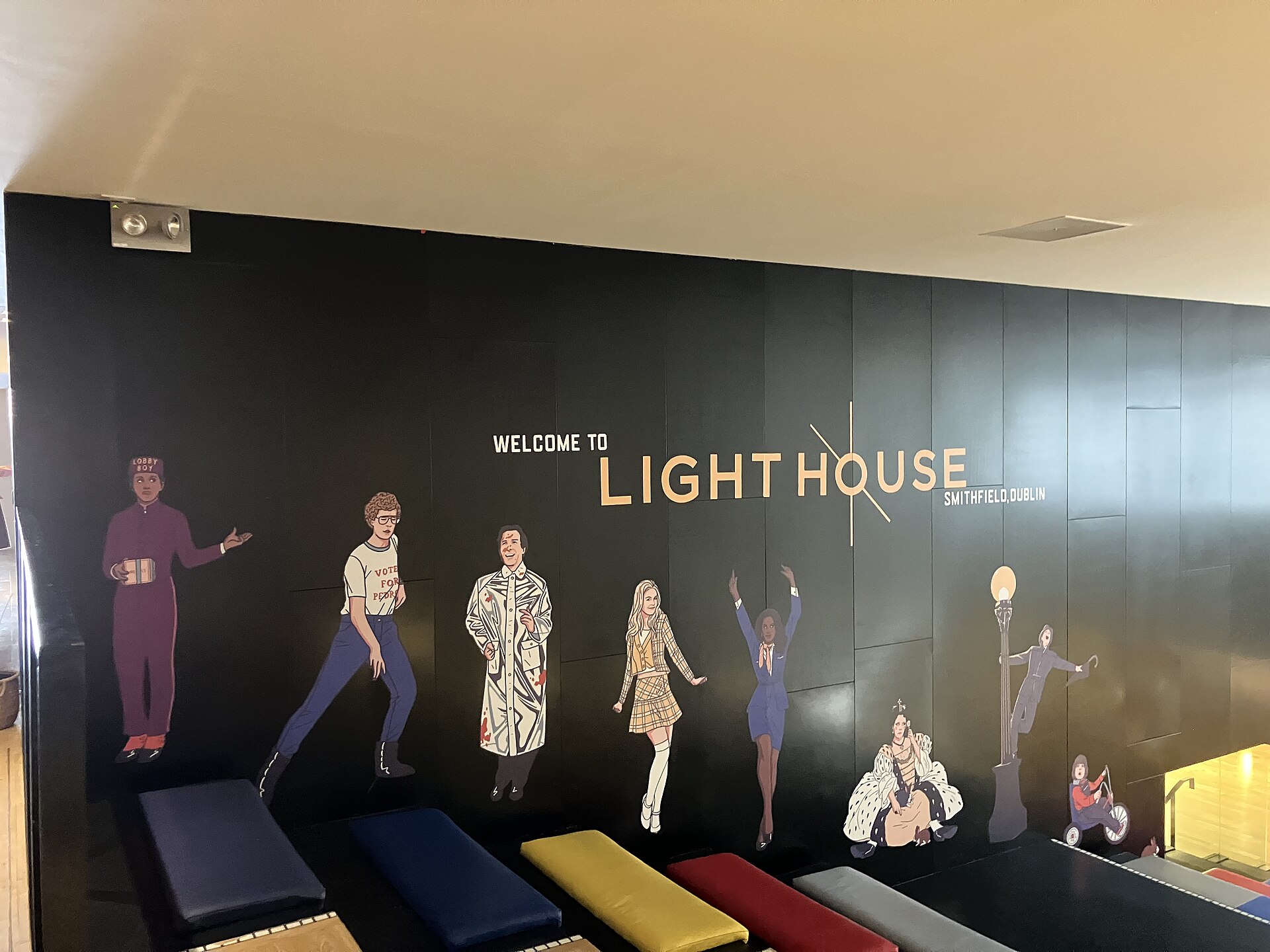
- GAZE International LGBTQIA+ Film Festival — late July into early August, running across the Light House Cinema in Smithfield and the Irish Film Institute in Temple Bar. In 2026 it ran 28 July to 3 August. It is a proper festival with international premieres, not a token weekend of screenings, and tickets are cheap by festival standards.
- Dublin Bear Pride — a full programme of its own over the Pride weekend, separately ticketed.
- Mother Pride Block Party — the big outdoor party of Pride weekend. It sells out. Buy when it goes on sale, not when you land.
- Queer Film Club at Outhouse — free or near-free screenings through the year, curated by community members with GAZE’s support. A good, low-pressure way into the city if you are here on your own.
- Year-round club nights — Mother on Saturdays, plus a rotating cast of queer nights in mixed venues. These are announced on Instagram and almost nowhere else. Ask in Pantibar.
- Dublin Theatre Festival and the Fringe — September and early October, both consistently strong on queer work. See our guide to Dublin’s festival calendar.
- St Patrick’s Festival — mid-March, and the parade has had a visible LGBTQ+ presence for years now. Our St Patrick’s Day guide covers the logistics.
Daytime: Gay Dublin When the Bars Are Shut
The scene here is not only nocturnal, which is a relief if you are over thirty or simply do not want to spend a city break in a basement.
Outhouse, at 105 Capel Street, has been the community centre since 2001: a café, a theatre space, HIV testing, and Ireland’s only dedicated queer library. It is open to visitors, the coffee is fine, and it is the single most useful door to walk through if you want to know what is on this week. Nobody will hassle you and nobody will make you sign anything.
Oscar Wilde is everywhere and unavoidable. He was born at 21 Westland Row, grew up at 1 Merrion Square, and the reclining statue in the corner of Merrion Square park — locally and inevitably “the Quare on the Square” — is one of the most photographed sculptures in the city. Trinity College, where he studied, is a five-minute walk away. Our literary landmarks guide maps the whole route, and the literary heritage guide puts him in context alongside Joyce, Beckett and Behan.
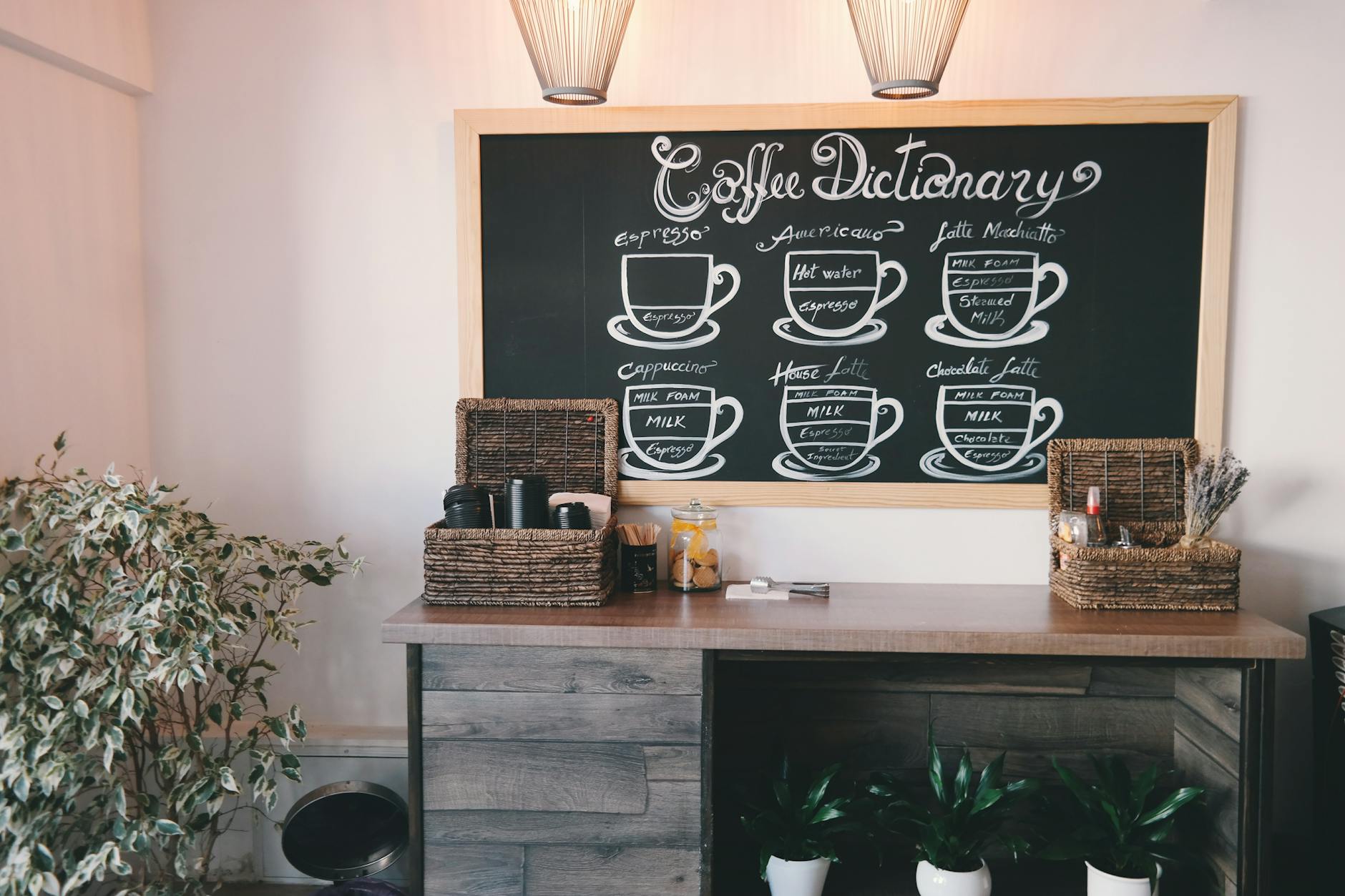
Bookshops and coffee. Dublin’s independent bookshops are well worth a browse — this is a city that takes its writers personally. Pair that with the coffee scene and you have a very good rainy afternoon, of which Dublin supplies plenty; the wet-weather guide has more.
Markets and browsing. George’s Street Arcade sits directly beside the George and is Dublin’s first purpose-built Victorian shopping centre. The wider market scene and the vintage shopping around Temple Bar and the Liberties will comfortably fill an afternoon.
Where to Stay
Gay Dublin has no hotel district of its own, because the city is too small to have one. What matters instead is walking distance to the three streets above, and the honest answer is that almost anything in Dublin 1, 2, 7 or 8 works.
- South city centre (Dublin 2) — closest to the George and to dinner, and the priciest. See central hotels and boutique options.
- Around Capel Street (Dublin 1 and 7) — a couple of minutes’ walk from Pantibar and Outhouse. The northside guide covers the ground, and Smithfield and Stoneybatter are ten minutes further out and far nicer than their reputation.
- Temple Bar — central, and loud in a way that has nothing to do with you. Temple Bar hotels are a reasonable choice if you ask for a back room and accept the trade.
- Portobello and Rathmines — twenty minutes’ walk south, residential, good food, much calmer. See the neighbourhood guide.
- Hostels — Dublin’s hostel scene is large and unbothered; several are on or beside Capel Street.
Our full where to stay and best area to stay guides go deeper on the trade-offs, and the hotel-savings guide matters more here than in most cities, because Dublin room rates are genuinely high.

Safety and the Honest Caveats
Dublin is a safe city for LGBTQ+ visitors by any reasonable international standard, and our general Dublin safety guide holds true here without much amendment. The main venues — the George, Pantibar and Street 66 — are on public streets and easy to find. An Garda Síochána has LGBTQ+ liaison officers. Bar and hotel staff are, in the main, genuinely fine.
That said, three caveats worth stating plainly. First, late-night Dublin has an ordinary drunkenness problem, and O’Connell Street and the north quays after 01:00 are unpleasant for everyone — a general nightlife issue rather than a targeted one, but it lands on you the same way. Get a taxi; our taxi guide explains how the ranks and apps work. Second, homophobic incidents do happen, more often verbal than physical, and more often in the small hours than at any other time of day. Third, the further you get from the centre — outer suburbs, a small town on a day trip — the more the temperature varies. It is rarely hostile. It is sometimes just quieter than you expect.
If something does happen, Outhouse and the national youth organisation BeLonG To are where people actually go. Both are used to visitors. Our guide to Dublin scams covers the more mundane risks, which are far more likely to affect your trip.
Practicalities
Everything in this guide is walkable, which is the single best thing about gay Dublin: the George to Pantibar is about twelve minutes on foot, and you cross the Liffey doing it. Nobody who lives here takes a taxi between the bars. For anything further, the transport guide and the Leap Card guide cover the fare system, and the DART gets you to the coast in half an hour.
On timing: June for Pride, but expect the prices that come with it. September is the local secret — Dublin’s warmest sea of the year, decent light, the Fringe and the Theatre Festival on, and hotel rates back on earth. Our best time to visit guide has the month-by-month detail, and if you are watching the budget, the cheapest months are January and February.
On money: Dublin is expensive. A pint in a city-centre bar runs high, cover charges apply at the weekend, and taxis add up quickly. The budget guide and cheap eats are worth reading before you arrive rather than after. On the weather, pack a hooded waterproof rather than an umbrella — the wind off the Liffey destroys umbrellas, and every local knows it. Our Dublin weather guide has the Met Éireann numbers.
First trip to the city at all? Start with first-time Dublin and things to know before you go, then come back here.
Gotchas
- Dublin Castle is closed to visitors until the end of 2026 — including the courtyard where the 2015 referendum result was announced. Ireland holds the EU Council presidency and the site is in constant use as a state venue. The Chester Beatty, inside the castle grounds, is closed on the same basis. Both are expected back in January 2027.
- Mother’s venue moves. Do not turn up at an address you found on an aggregator site. Check the club’s own channels the week you travel.
- Pride weekend hotels are priced like New Year’s Eve and sell out from about March. Book absurdly early, or stay out in Rathmines and walk in.
- Get to the Sunday bingo at the George early. Arriving late means standing at the back with a bad view of the stage.
- Published closing times are optimistic. Late licences vary night to night; standard Dublin licensing is 23:30 Monday to Thursday, 00:30 Friday and Saturday and 23:00 Sunday, plus thirty minutes’ drinking-up time.
- The Mother Pride Block Party sells out, and so does GAZE’s opening night. Neither has a meaningful door sale.
- Cash is nearly dead in Dublin, but a couple of the older bars still prefer it for small rounds. Carry twenty euro.
- Gay Dublin has no gay village. Arrive expecting a district, go looking for it, and you will walk past the actual scene twice.

Gay Dublin FAQ
When is Dublin Pride?
Dublin Pride falls on the last Saturday of June every year, with a multi-day festival around it. If the pattern holds, the 2027 parade falls on Saturday 26 June, but the 2027 dates and times haven’t been announced yet. The 2026 parade stepped off on O’Connell Street and finished at Merrion Square, where the Pride Village was set up. Confirm the exact assembly time on dublinpride.ie nearer the date, because the muster time shifts by half an hour or so from year to year.
Which area of Dublin is the LGBTQ+ hub?
There isn’t a single district. Gay Dublin is spread across three short streets rather than concentrated in one neighbourhood. South Great George’s Street on the southside has the George; Capel Street on the northside has Pantibar and the Outhouse community centre; Parliament Street, at the western edge of Temple Bar, has Street 66. All three are close enough to link on foot in a single evening.
Is Dublin LGBTQ+ friendly?
Very. Ireland decriminalised homosexuality in 1993 and became the first country in the world to legalise same-sex marriage by popular referendum in May 2015, carrying every Dublin constituency. In practice that translates to hotel and restaurant staff who do not react and a general instinct towards minding your own business. The exceptions are late-night drunkenness, which is an equal-opportunity nuisance, and a slight cooling as you get further from the centre.
What are the best gay bars in Dublin?
The George on South Great George’s Street is one of the oldest and biggest gay bars in Ireland, open since 1985, and it is the one with the drag shows and the Sunday bingo. Pantibar on Capel Street is smaller, warmer and more local, and it makes the better first stop of an evening. Street 66 on Parliament Street is the quieter, more conversational option with good cocktails. For dancing, Mother on a Saturday night is the one that matters — just check its current venue before you set out. Between the four of them you have seen most of gay Dublin’s nightlife in a single weekend.
Is there a gay Dublin scene outside Pride week?
Yes, though it is modest. The three main bars run all year and Mother runs weekly. GAZE, the international LGBTQIA+ film festival, takes over the Light House Cinema and the Irish Film Institute in late July and early August. Outhouse programmes a queer film club and community events through the year. Beyond that, a rotating set of queer club nights runs in mixed venues and is announced almost entirely on social media, so asking in a bar beats searching online.
Do I need to book anything in advance?
Not for the bars — no booking is needed at the George, Pantibar or Street 66. You do need to book ahead for the ticketed Pride-weekend events, particularly the Mother Pride Block Party, and for GAZE screenings, which sell out. Accommodation over Pride weekend needs booking months out. Everything else can be decided on the day, which is one of the pleasures of a city this compact.
Is Dublin expensive for a Pride weekend?
It is one of the more expensive weekends of the Dublin year, comparable to New Year’s Eve or a Six Nations Saturday. Book a city-centre hotel early for the last weekend in June. Staying twenty minutes out in Portobello, Rathmines or Stoneybatter cuts the cost substantially and still leaves you within walking distance of the parade route. Food and drink prices do not rise for Pride, but the Dublin baseline is already high.
Are there LGBTQ+ friendly day trips from Dublin?
The coastal villages on the DART line — Howth to the north, Dún Laoghaire and Dalkey to the south — are relaxed, heavily used by locals, and entirely unremarkable places to be a couple. Further afield, Galway and Kilkenny both have small but visible scenes of their own. Rural Ireland is generally fine and occasionally just quieter than the city, which is a difference in volume rather than in welcome.
Keep Planning
Gay Dublin is one thread of a bigger city, and the guides below pick up where this one stops — the nightlife it sits inside, the neighbourhoods it runs through, and the practical planning that makes a short trip work.
- Dublin Nightlife and Pubs — the wider drinking scene the gay bars sit inside.
- Dublin Nightclubs — where the rest of the city dances, and what the queues are like.
- Dublin Summer Events — what else is on in the Pride months.
- Dublin Events and Festivals — the full year, month by month.
- Dublin Cocktail Bars — for the quieter end of an evening.
- Is Dublin Worth Visiting? — the honest overall verdict on the city.
- Dublin Neighbourhoods — how the city fits together.
- Solo Travel in Dublin — if you are coming on your own.
- Best Time to Visit Dublin — month by month, with the weather.
- Live Music in Dublin — beyond the club nights.
- Dublin Walking Tours — including the literary routes that take in Wilde.
Keep Reading
Photo Credits
Dublin Pride on O’Connell Street: Dublin Pride – aerial – 2025-06-28 01 by 瑞丽江的河水, CC BY-SA 4.0, via Wikimedia Commons.
Light House Cinema interior: Light House Cinema Mural-1 by さえぼー, CC0, via Wikimedia Commons.
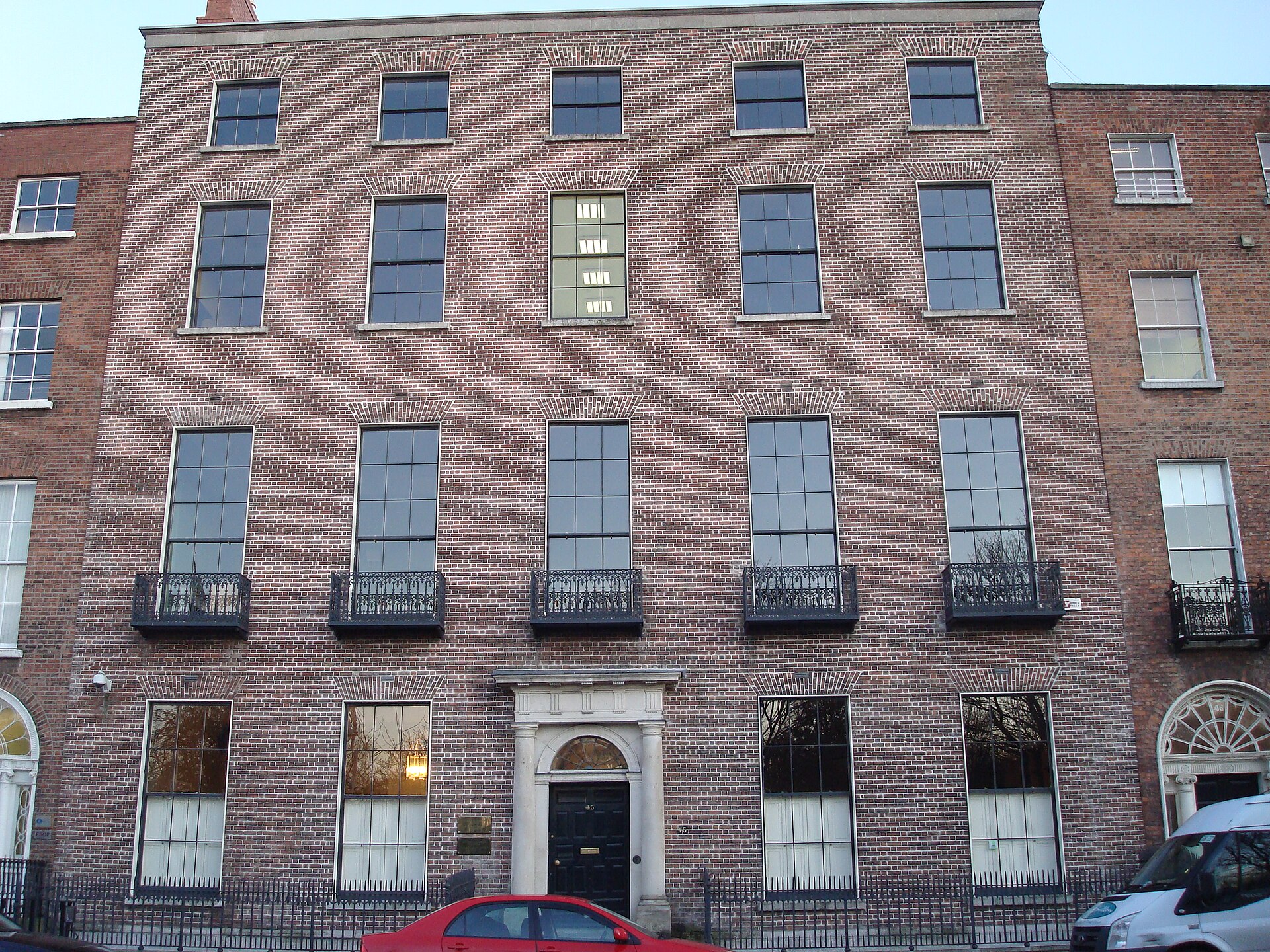
Georgian facades on Merrion Square: Irish Architectural Archive by DubhEire, CC0, via Wikimedia Commons.
Lean na Comharthaí — Keep following the signs